




If it’s your first time in San Antonio, you’ll hear about the Alamo almost immediately. But it’s only one chapter in a much larger story — one that unfolds quietly along the San Antonio River. Just beyond downtown, four additional Spanish colonial missions form San Antonio Missions National Historical Park — collectively designated as the San Antonio Missions UNESCO World Heritage Site, the only one of its kind in Texas.
These missions aren’t museum pieces. They’re active churches and neighborhood anchors, still woven into daily life centuries after they were built. From regular Mass at Mission Concepción to the lively plaza at Mission San José, each space continues to bring people together. Mission San Juan remains closely tied to its surrounding community, while Mission Espada feels especially intimate, with its church, farmland, and historic acequia system still grounding local traditions. Their continued use as places of worship makes them central to San Antonio religious history, not just preserved landmarks.Walk the mission trail today and you’ll see joggers passing centuries-old walls, families gathering in courtyards, and locals stopping in for worship. For first-time visitors, the missions offer something rare: a slower, more intimate way to experience San Antonio — where history isn’t just preserved, but lived.
Go beyond plaques and timelines — experience the Missions as part of modern San Antonio.Understanding the Mission System
Understanding San Antonio Mission history means looking beyond architecture to the systems of belief, labor, and power that shaped everyday life within the missions. The San Antonio Missions were established in the early 18th century by Spanish Franciscan missionaries. Their purpose wasn’t just religious conversion, but the creation of self-sustaining communities. Missions functioned as hubs for worship, education, agriculture, craftsmanship, and governance.Indigenous peoples living in the region were drawn — sometimes willingly, often under pressure — into mission life. They learned European farming techniques, trades like carpentry and weaving, and Catholic religious practices. In return, they received food, shelter, and protection, though at the cost of autonomy and cultural traditions.
This complexity is essential to understanding San Antonio colonial history honestly. They represent devotion and resilience, but also colonization and control. Today, visiting the missions means holding both truths at once — and recognizing how their legacy still shapes San Antonio’s cultural identity.
The five missions include:
- Mission San Antonio de Valero (the Alamo)
- Mission Concepción
- Mission San José
- Mission San Juan
- Mission Espada
Each one offers a different lens into mission life, from religious expression to agriculture and engineering. Together, the San Antonio Missions represent the most intact collection of Spanish missions in Texas, offering rare insight into how colonial systems functioned on the northern edge of the Spanish Empire.
What to Know Before Visiting the San Antonio Missions: A First-Time Perspective
If it’s your first time visiting the San Antonio Missions, a little planning goes a long way. While each mission can be seen fairly quickly, most first-timers should plan at least half a day to truly appreciate the sites without rushing—longer if you want to walk or bike the Mission Reach trail along the river. The missions are spread out south of downtown, so having a car makes things easier, but walking or cycling between them is very doable if you’re comfortable with distance and heat; many visitors mix both by driving to one mission and exploring the trail from there. Taken together, these tips form a practical first-time guide to the San Antonio Missions, helping visitors experience them with respect and intention.
One important thing to know early (and not as an afterthought): these are active churches, so dress respectfully. Lightweight but modest clothing is best—think covered shoulders, longer shorts, and comfortable walking shoes. You’ll be moving between outdoor paths and quiet worship spaces, and approaching the missions with the right pace, attire, and mindset helps you experience them not just as historic landmarks, but as living parts of San Antonio’s daily life.
Mission Concepción: Quiet Strength and Endurance
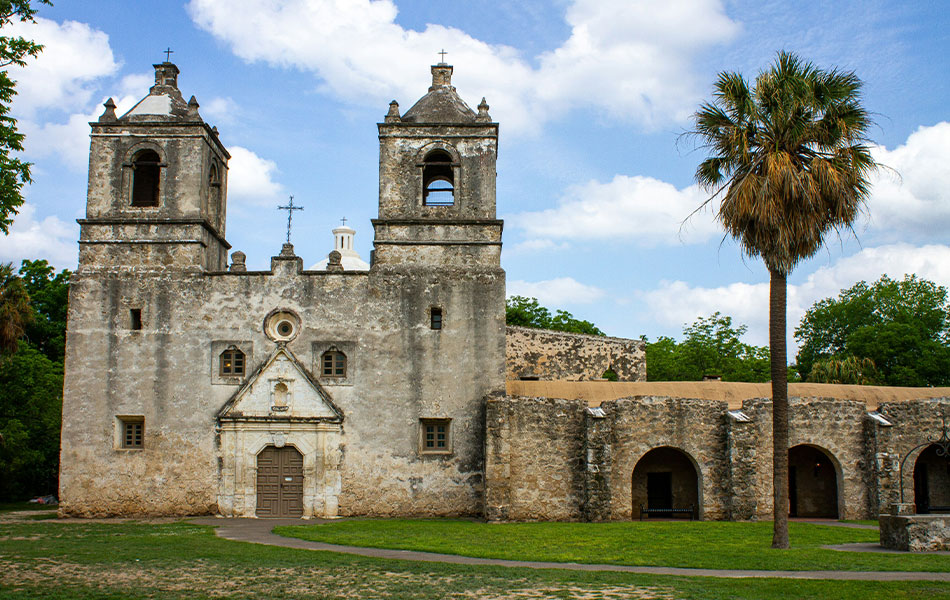
Mission Concepción is often where visitors first sense that the missions aren’t about spectacle.
It’s the oldest unrestored stone church in the United States, and that lack of restoration is exactly what gives it character. The white limestone exterior feels almost stark, but inside, the space opens upward — high ceilings, thick stone walls, and faint traces of original frescoes still clinging to the interior.
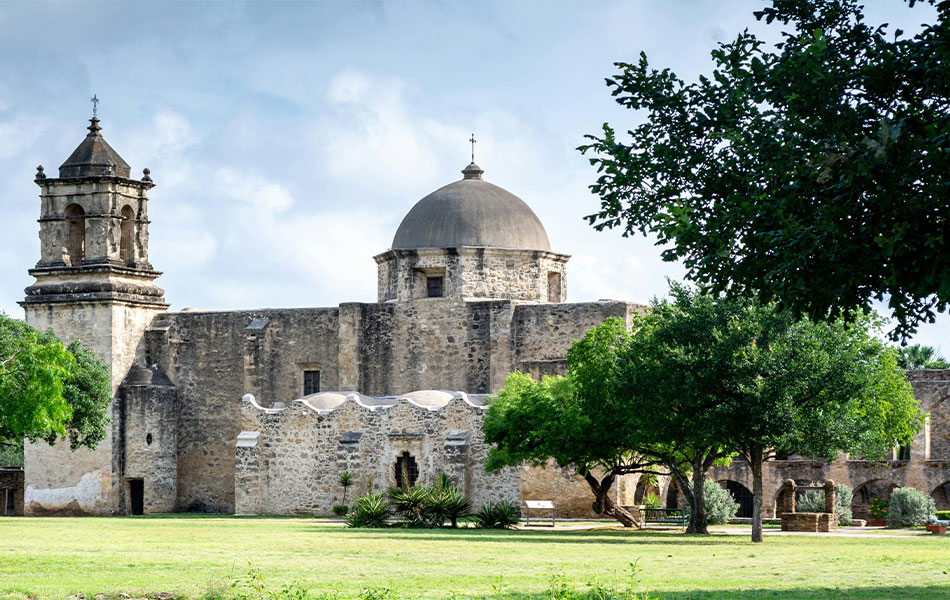
For first-timers, Mission Concepción sets the tone: this isn’t about checking boxes or rushing from site to site. It’s about noticing how spaces were meant to feel — and how they still function centuries later.
Join a locally led Mission tour focused on context, culture, and continuity.Mission San José: The Heart of the System
If the missions had a centerpiece, it would be Mission San José.
Often called the “Queen of the Missions,” San José was the most ambitious and complete example of a mission community. Its layout includes a large stone church, defensive walls, living quarters, workshops, and communal spaces — all designed to support hundreds of residents.
The church itself is striking, especially the intricately carved Rose Window, a detail so delicate it almost feels out of place in thick limestone walls. But beyond the beauty, San José reveals how structured and controlled mission life was.
This was a place of order and routine. Daily schedules revolved around prayer, labor, and communal responsibilities. Indigenous residents became farmers, builders, and artisans, contributing to a system that sustained the mission but restricted individual freedom.
Walking the grounds today, it’s easy to admire the craftsmanship while also grappling with the cost at which it came. That tension — between beauty and power — is part of what makes San José such an important stop for first-time visitors.
Mission San Juan: Where Daily Life Took Root
Mission San Juan feels different almost immediately.
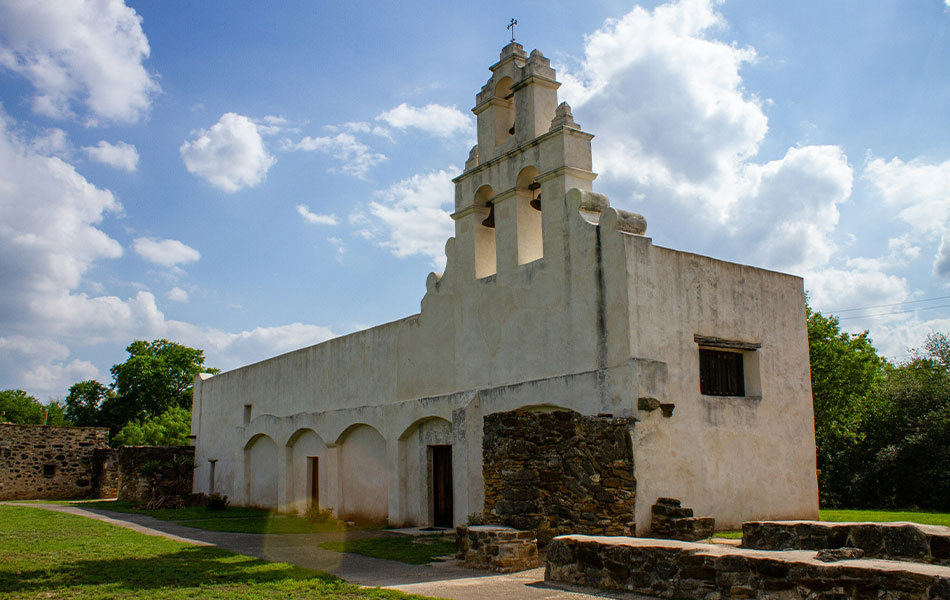
There’s less grandeur here, fewer dramatic architectural moments. Instead, the focus shifts to land, water, and daily survival. San Juan was primarily an agricultural mission, supported by acequias — irrigation channels that carried water from the river to nearby fields.
This mission gives the clearest sense of daily life at the San Antonio Missions. You can imagine people rising early, tending crops, preparing meals, and gathering for prayer. Life here was quieter, more routine-driven, and deeply tied to the land.
Today, Mission San Juan remains peaceful and lightly trafficked. Birds move through the trees, the river flows steadily nearby, and the surrounding paths feel removed from the city despite being only minutes away.
For visitors who want to experience the missions without crowds — and who are curious about how people actually lived — San Juan often becomes an unexpected favorite.
Mission Espada: Water, Ingenuity, and Survival
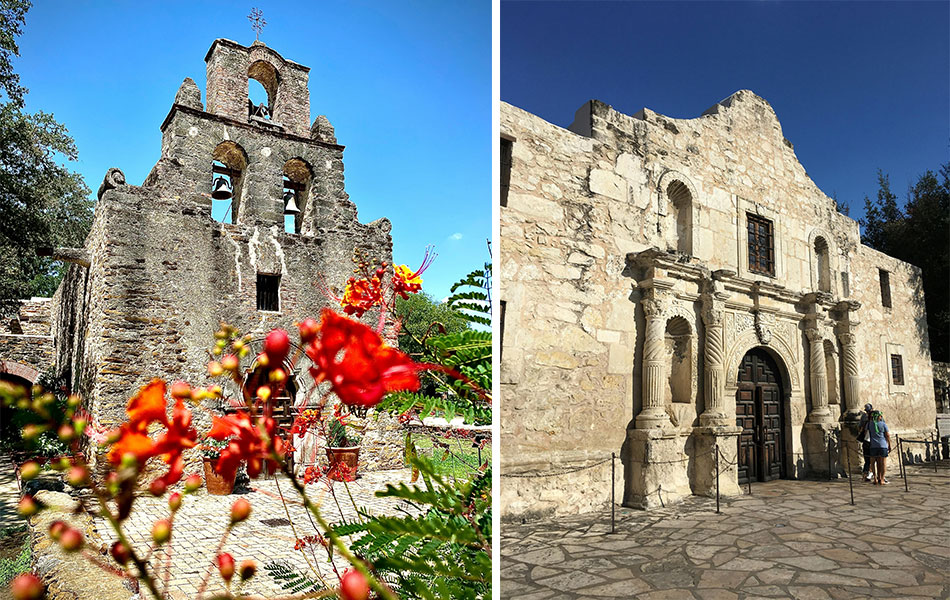
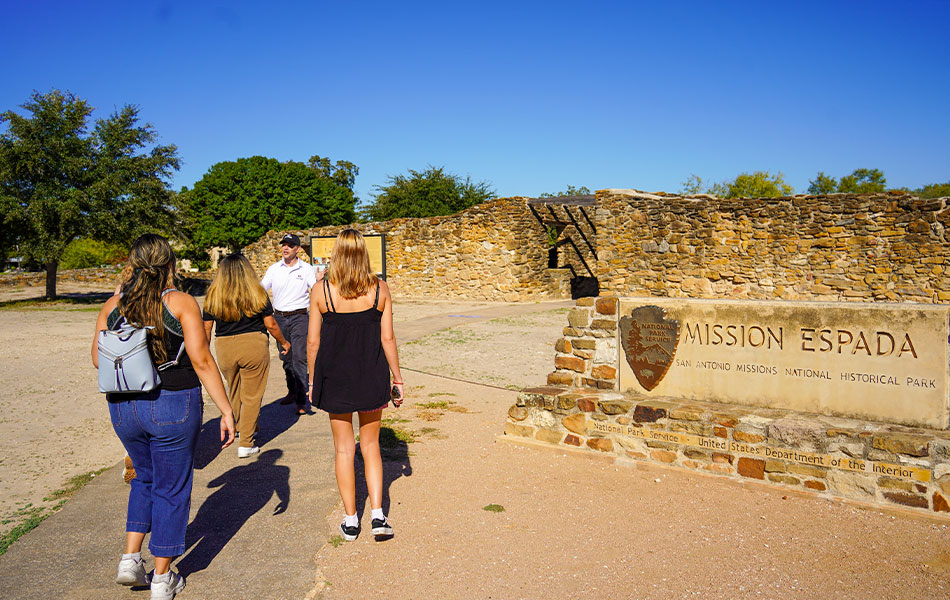
Mission Espada tells its story through engineering as much as architecture. Its most famous feature, the Espada Aqueduct, is one of the oldest waterworks in the United States. Built in the 1700s, it carried water across the landscape to support farming and daily needs — and remarkably, it still stands today. It’s a piece of history our guides love to share, so be sure to listen closely if you’re visiting with us.
Mission Espada highlights something visitors often overlook: faith alone wasn’t enough to sustain these communities. Survival required innovation, adaptation, and an intimate understanding of the environment. The church is simple, almost understated. But when paired with the aqueduct and surrounding grounds, it becomes a powerful reminder that the mission system was as much about logistics as belief.
For first-timers, Espada adds depth to the story — grounding lofty ideas of faith in the practical realities of life on the frontier.
The Alamo: A Familiar Story, Reframed
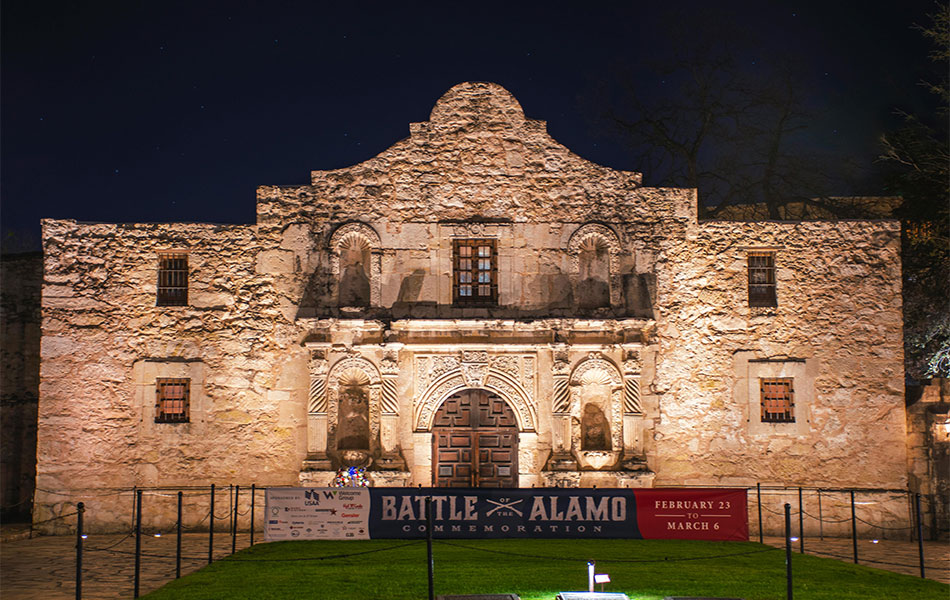
The Alamo is often treated as a standalone landmark, but its story is inseparable from the Alamo and San Antonio Missions as a connected system. But historically, it began as Mission San Antonio de Valero, intended to function much like the others. Over time, it evolved into a military site and eventually a symbol of Texas independence. That transformation makes it unique — and sometimes overshadows its origins.
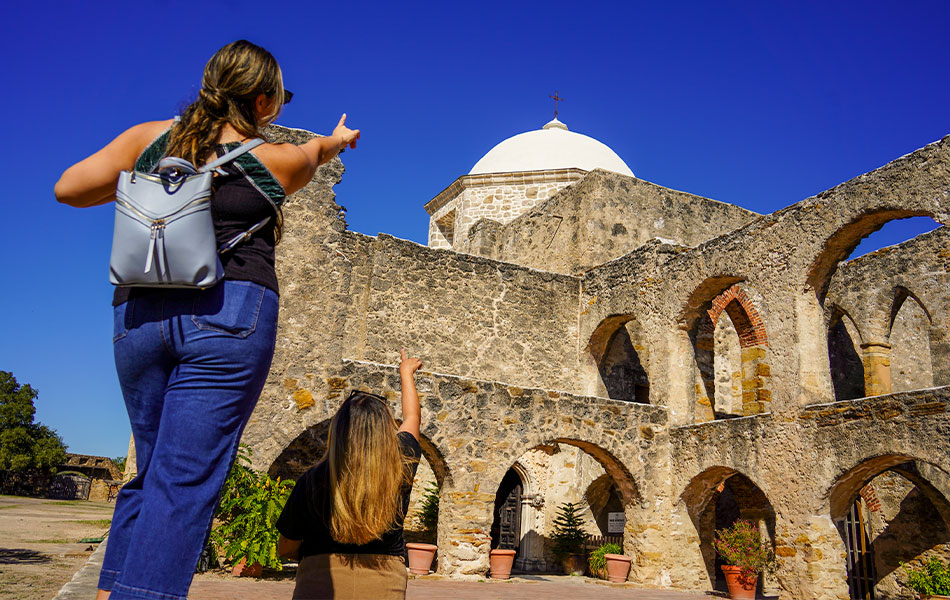
If it’s your first time at the Alamo, this context adds nuance to a site that can otherwise feel overly familiar. Slow down, linger longer, and let yourself connect to the history at your feet.
Explore the San Antonio Missions with a guide who connects history to lived experience.Why the Missions Matter
The San Antonio Missions tell a story that isn’t neat or simple. They reflect faith and devotion, but also displacement and loss. They show ingenuity and resilience, alongside control and hierarchy.
For first-time visitors, that complexity is the point.
These sites offer a deeper understanding of San Antonio — not just how it looks today, but how it became what it is. They invite reflection instead of performance, curiosity instead of consumption.
And often, they end up being the places people remember most — precisely because they weren’t loud or crowded or overly polished.
Exploring the Missions Today
One of the best ways to experience the missions is via the Mission Reach section of the San Antonio River Walk. This scenic trail connects the sites through shaded paths, bridges, and quiet stretches of riverbank. Seen together, the San Antonio Missions reveal a city shaped as much by continuity as by change.
It’s common to see cyclists moving between missions, locals walking dogs, and families enjoying the green space. The contrast between the historic stone buildings and modern daily life is subtle — and powerful.
Tips for first-time visitors:
- Start early to avoid midday heat and crowds
- Allow time between missions instead of rushing
- Read interpretive signs, but don’t rely on them alone
- Notice what’s happening around you — the sounds, the pace, the people
Slow down, say hello, and linger a little longer — the missions reward patience.
Experience the Missions With Local Insight
While the missions can be explored independently, having local context can make all the difference — especially for first-time visitors navigating the history, geography, and deeper stories behind each site.
See Sight Tours’ San Antonio experiences are led by knowledgeable local guides who connect the missions to the city’s broader cultural story — blending history, faith, and everyday life into an experience that feels personal, not scripted.If you’re looking to understand San Antonio beyond the surface — and experience the missions with insight, nuance, and care — exploring with a local guide can turn a beautiful visit into a meaningful one.


