



What Makes the Bay of Fundy so Special?
Highest Tides in the World
The Bay of Fundy is home to the highest tides in the world. The water can rise and fall up to 16 metres (52 feet) twice a day.
Wildlife
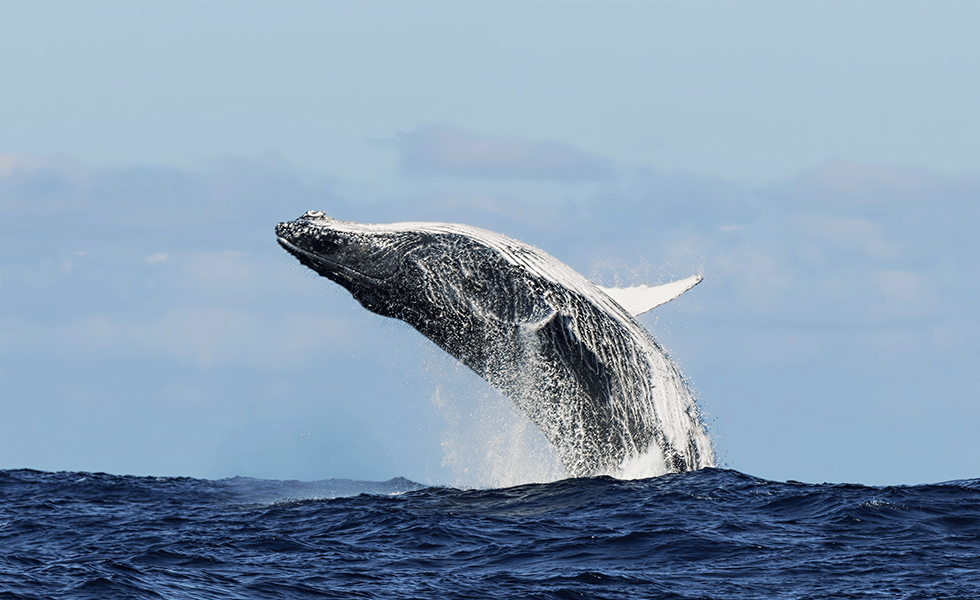
It is also a place rich in wildlife. More than 12 species of whales during the summer can be spotted here, from humpbacks to the rare North Atlantic right whale. You will also see seabirds, seals, and dolphins.
UNESCO Sites
The bay is also known for its UNESCO sites. The Joggins Fossil Cliffs and Fundy Biosphere Reserve reveal stories from hundreds of millions of years ago.
Unique Adventures
You can ride the tidal bore on the Shubenacadie River, walk or dine on the ocean floor at Burntcoat Head, or kayak past giant sea stacks and sea caves.
What are Some Fun Facts About the Bay of Fundy?
\- The Bay of Fundy holds 160 billion tonnes of seawater moving in and out twice a day.
\- The tides can reach the height of a 4–5 story building, making them the highest tides in the world.
\- The tidal range here is so massive that it could fill the Golden Gate Bridge in San Francisco several times over in a single cycle.
\- It is the only place where you can see both a tidal bore and reversing waterfalls.
\- The Bay of Fundy is featured in the Guinness World Records for its record-breaking tides.
\- A local delicacy is dulse, an edible red seaweed harvested at low tide.
How Can You Enjoy the Bay of Fundy?
If you love adventure, you can try tidal bore rafting, kayaking along the rugged coastline, or hiking challenging trails in Cape Chignecto Provincial Park.
For a slower pace, you can walk on the ocean floor at Hopewell Rocks, search for fossils, or relax in a picnic area at Fundy National Park.
The experience also changes with the seasons. Summer months bring whale watching tours and warm beach walks. Fall is perfect for colourful hikes and quiet coastal drives. Winter turns Fundy National Park into a playground for snowshoeing, skiing, and tobogganing.
Where are the Best Spots to Experience the Tides?
The Bay of Fundy tides can be seen in many places. Each spot offers a unique way to enjoy this natural wonder.
Hopewell Rocks
Hopewell Rocks are also called the Flowerpot Rocks because of their tall shapes topped with greenery. At low tide, you can walk on the ocean floor around these giant rock formations.
Burntcoat Head Park
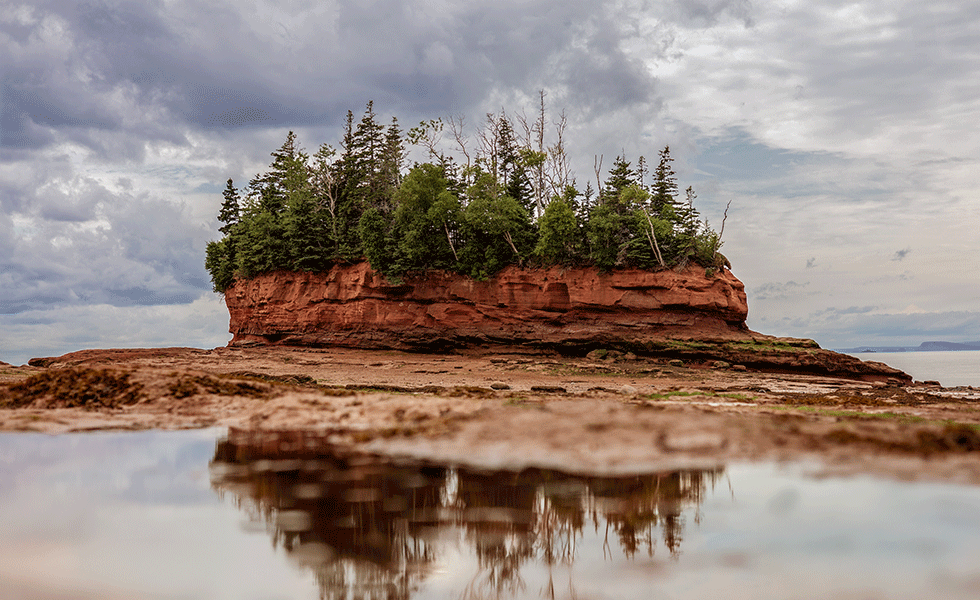
Fundy National Park
Fundy National Park combines coastal views and inland beauty. You can see tidal mudflats at Alma Beach, explore over 100 km of hiking trails, or visit waterfalls like Dickson Falls.
Fundy Trail Parkway
The Fundy Trail Parkway is a scenic drive along Canada’s east coast, with lookouts, waterfalls, and a suspension bridge. It stretches for 30 km along the Fundy coast.
Cape Enrage
Cape Enrage is famous for its historic lighthouse and dramatic views of the Bay of Fundy coastline. The name “Enrage” comes from the rough tidal waters that swirl over the reef here.Reversing Falls in Saint John
In the city of Saint John, you can watch the Reversing Falls Rapids. This rare phenomenon happens when the powerful tides force the Saint John River to reverse its flow. Depending on tide times, you may see whirlpools, rapids, or calm water flowing in the opposite direction.
See Saint John’s landmarks glow under the evening lights on this night tour!What are the Top Outdoor Adventures in the Bay of Fundy?
The Bay of Fundy is a natural playground filled with outdoor activities, from thrilling rides on the tides to quiet nights under the stars.
Tidal Bore Rafting on the Shubenacadie River
When the incoming tide from the Bay of Fundy meets the Shubenacadie River, it creates powerful waves. You can join a guided tour in zodiacs to ride these natural rapids and experience the tides up close.
Kayaking Along Cape Chignecto and the Three Sisters Sea Stacks
Kayaking lets you see the Bay of Fundy coastline up close. Near Cape Chignecto, you can paddle past the dramatic Three Sisters sea stacks, sea caves, and high cliffs.
Hiking Cape Chignecto Provincial Park

Whale Watching Tours
The Bay of Fundy is one of the best places in the world for a whale watching tour. More than a dozen species of whales visit during the summer months, including humpbacks and the rare North Atlantic right whale.
Exploring the Sea Caves of St. Martins
At low tide, you can walk into the sea caves of St. Martins. These natural caves are carved by the powerful Fundy tides.
Camping and Unique Stays in Fundy National Park
You can camp in tents, or book a backcountry site. The park also has rustic cabins and the modern Oasis domes for a cozy night under the stars.
Can you Really Walk and Dine on the Ocean Floor?
Yes, the Bay of Fundy makes this possible. At Burntcoat Head Park and Hopewell Rocks, the tides drop so low that you can walk on the ocean floor. Just hours later, the same space is back beneath the rising sea level, covered by water as high as a four- or five-story building. Visitors can explore mudflats, tidal pools, sea caves, and rock formations during low tide.
The bay is also home to a unique event called the “Not Since Moses” run. This fun race happens across the exposed seabed at Five Islands. Runners dash through mud and sand while racing against the returning tide.
For a once-in-a-lifetime experience, you can even dine on the ocean floor. At Burntcoat Head Park, chefs host gourmet three-course meals at low tide. Guests enjoy local seafood, fresh ingredients, and Nova Scotia wine while sitting on the seabed itself. A few hours later, the dining spot is back under water.
What Cultural and Historic Experiences Can You Find?
The Bay of Fundy is also a place rich in history, culture, and learning. Visitors can explore UNESCO sites, museums, historic towns, and old lighthouses that share stories of the region’s past.
Joggins Fossil Cliffs
The Joggins Fossil Cliffs in Nova Scotia are a UNESCO World Heritage Site. These cliffs of layered sedimentary rock hold the most complete record of the Coal Age, with fossils dating back over 300 million years.
Fundy Geological Museum in Parrsboro
The Fundy Geological Museum is the best place to learn about the region’s ancient history. You can see displays of minerals, dinosaur fossils, and exhibits on the dramatic tidal changes in the Bay of Fundy. The museum also leads trips to nearby fossil sites.
Historic Towns of the Fundy Coast
The Fundy coast is dotted with historic towns like:
\- Alma is a small fishing village at the entrance of Fundy National Park, known for lobster and friendly wharves.
\- St. Andrews by-the-Sea is a charming resort town with heritage buildings, shops, and whale watching tours.
\- Saint John is the only major city on the Bay of Fundy. It has Victorian architecture, a lively waterfront, and cultural sites like the New Brunswick Museum.
Discover Saint John’s history, culture, and natural wonders in just 3 hours!Lighthouses Along the Bay
The Bay of Fundy coastline is famous for its lighthouses.
#### Cape D’Or:
It offers a rugged cliffside view and a historic light station.
#### Cape Enrage:
It has one of the oldest lighthouses in New Brunswick, plus adventure activities like rappelling and ziplining.
#### Quaco Head:
It provides dramatic Fundy views and photo-worthy sunsets.
Carleton Martello Tower and Other Historic Sites
History lovers can also visit preserved landmarks:
\- The Carleton Martello Tower in Saint John was built for the War of 1812 and offers panoramic views.
\- The Loyalist House in Saint John shows life in the early 1800s, kept just as it was.
\- The St. Andrews Blockhouse recalls the War of 1812 and stands as a reminder of Canada’s coastal defenses.
What Family-Friendly Activities are There?
The Bay of Fundy is a perfect destination for families. From beach walks to aquariums, kids and adults can enjoy activities that are safe, fun, and educational.
Beachcombing at Alma Beach and Point Wolfe
At low tide, families can explore the ocean floor at Alma Beach or Point Wolfe in Fundy National Park. Kids love searching for shells, crabs, and small sea creatures left behind by the receding tide.
Xplorers Program for Kids
The Xplorers Program at Fundy National Park gives kids a booklet of activities. Once they complete it, they earn a special collectible tag. It’s an engaging way for children to learn about nature and history while exploring.
Fundy Discovery Aquarium
Located in St. Andrews, the Fundy Discovery Aquarium is a family favourite. Kids can meet harbour seals, explore touch tanks with starfish and crabs, and watch local fish up close.
Easy Hikes for All Ages
Families can enjoy gentle hikes in Fundy National Park:
#### Dickson Falls:
It is a short 1.5 km loop to a waterfall.
#### Caribou Plain:
It is a 2.1 km boardwalk trail across a bog and pond.
#### Herring Cove:
It is a 1 km walk with coastal views and a beach stop.
Swimming Spots
For warm days, families can go swimming. Options include the heated saltwater pool in Fundy National Park or freshwater swims at Bennett Lake and Wolfe Lake.
What Unique Seasonal Events Happen in the Bay of Fundy?
The Bay of Fundy changes with the seasons. Each time of year brings different activities and natural wonders.
Whale Watching (May–September)
The summer months are the best time for a whale watching tour. More than 12 species of whales visit the Bay of Fundy, including humpbacks, minke, and the rare North Atlantic right whale. Tours leave from Digby Neck, Brier Island, Grand Manan, and St. Andrews.
Bird Migration (mid-July to mid-August)
Each year, millions of shorebirds stop along the Fundy coast during their migration. They gather in huge flocks on mudflats to feed on tiny creatures left by the tides.
Fall Foliage Road Trips
Autumn is the perfect time for a fall foliage road trip. The Fundy Trail Parkway offers lookouts over brilliant red, orange, and yellow leaves. The “Towns by the Bay” such as Rothesay, Quispamsis, Hampton, and Grand Bay-Westfield also shine with colour and charm in the fall.
How Long Should You Spend at the Bay of Fundy?
The Bay of Fundy can be enjoyed in a short visit or a longer trip. It depends on how much you want to see and do.
Short Trip: 1–2 Days
If you only have a couple of days, focus on the top highlights. Spend time at Hopewell Rocks, where you can walk on the ocean floor at low tide and kayak at high tide. Add a visit to Fundy National Park for short walking trails, waterfalls, and tidal views. This makes for a great introduction to the Bay of Fundy.
Experience Saint John’s history, scenery, and jet boat thrills all in one tour!Extended Trip: 4–7 Days
With more time, you can enjoy a full Fundy experience. Along with Hopewell Rocks and Fundy National Park, add a whale watching tour from Digby Neck, Brier Island, or St. Andrews. Explore the dramatic trails at Cape Chignecto Provincial Park or paddle past the sea caves of St. Martins. Spend time in St. Andrews by-the-Sea, a charming coastal town with history, shops, and the Fundy Discovery Aquarium. A week lets you see both the natural wonders and cultural highlights of the Fundy coast.
What is the Best Time to Visit the Bay of Fundy?
The Bay of Fundy is beautiful all year. Each season offers different experiences, so the best time depends on what you want to do.
Summer (June–September)
Summer is the most popular time to visit. This is the season for whale watching tours, beach walks, and family activities. Parks and trails are open, and the weather is warm enough for kayaking, camping, and exploring the ocean floor. Families especially enjoy visiting in the summer months when programs for kids are running.
Fall (September–October)
Fall brings colourful scenery and quieter trails.\\ The Fundy coast and Fundy Trail Parkway glow with red, orange, and yellow foliage. The weather is still pleasant, and there are fewer crowds than in the summer. It is a great season for road trips, hiking, and photography.
Winter (November–March)
Winter offers a very different Bay of Fundy experience. Fundy National Park turns into a snowy playground with skiing, snowshoeing, and tobogganing. Trails are peaceful, and the landscape is transformed by snow and ice.
What Should You Wear When Visiting the Bay of Fundy?
The weather on the Fundy coast can change quickly. Dressing properly will help you enjoy your trip without discomfort.
\- When walking on the ocean floor or exploring mudflats, wear waterproof shoes or boots. The ground can be slippery with mud, rocks, and seaweed.
\- The Bay of Fundy coastline often feels cooler than inland. Wear layers so you can adjust easily as the temperature changes.
\- Coastal areas can be windy and damp. A windbreaker or rain jacket keeps you dry and warm during sudden showers.
\- During the summer months, bring sunscreen and a hat. Even on cooler days, the sun reflects strongly off the water.
\- In fall and winter, pack warm clothing, gloves, and hats.
\- If you plan to snowshoe or ski in Fundy National Park, winter boots and insulated layers are essential.
Are There Sharks or Great Whites in the Bay of Fundy?
Yes, there are occasional great white shark sightings in the Bay of Fundy. In recent years, researchers have tracked some of these sharks along the Atlantic coast of Canada, including Fundy waters.
The bay is best known for its porpoises, seals, and many species of whales that visit during the summer months. It is one of the richest marine ecosystems in the world, with seabirds, fish, and other sea life supported by the powerful tides.
Shark encounters with humans are extremely rare. Most visitors only see the bay’s friendlier wildlife, like whales and dolphins, while on a whale watching tour.
Conclusion
The Bay of Fundy is more than just a body of water — it is a place where tides, history, and culture come together in unforgettable ways. From walking on the ocean floor and spotting whales to exploring sea caves and lighthouses, every visit offers something unique. Whether you come for a short trip or stay a full week, you’ll find countless ways to experience the Bay’s power and beauty. Plan your visit around the tides, pack for the changing weather, and get ready to discover why the Bay of Fundy is one of the most special places in the world.