

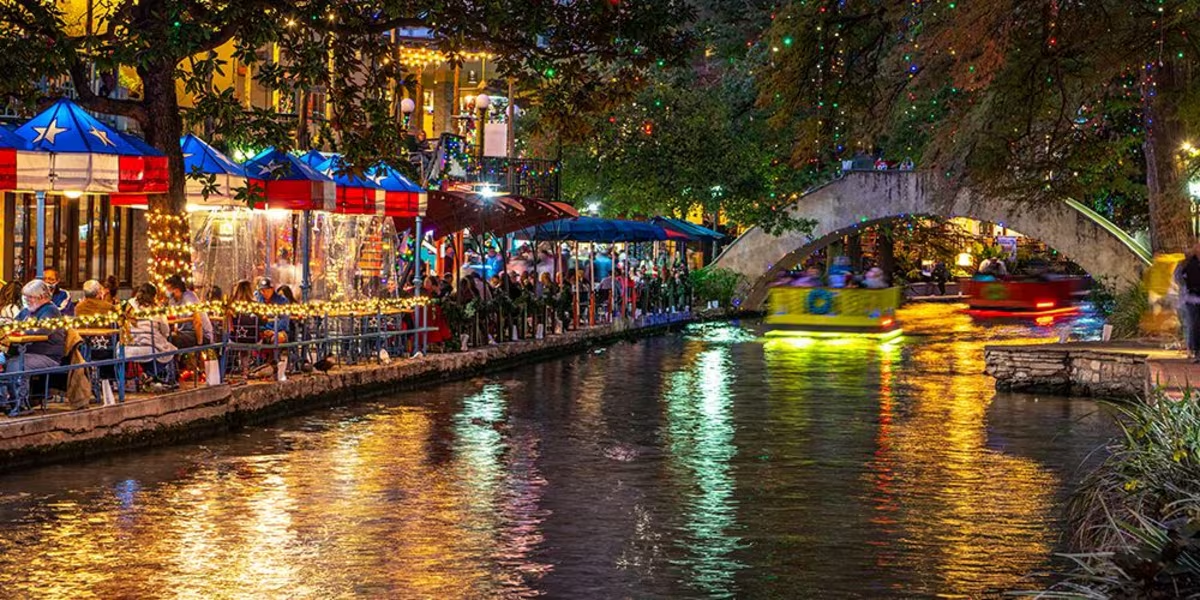

In San Antonio, food isn’t divided neatly by category. It doesn’t live in strict lanes like Tex-Mex, Mexican, or Southern. Instead, it overlaps – shaped by generations of families, migration, and daily life rather than trend cycles.
Recipes move across borders and decades. Techniques are shared at kitchen tables, adapted in backyard cookouts, and passed down through restaurants that feel less like concepts and more like extensions of home. What ends up on the plate reflects history as much as geography, which is exactly what defines San Antonio food culture.
San Antonio culinary fusion isn’t a marketing angle. It’s the default – built slowly, sustained daily, and still evolving more than 300 years after its establishment.
Taste San Antonio’s River Walk with a local guide and unforgettable bites. San Antonio sits at a cultural crossroads, and its food reflects that lived reality. Mexican traditions form the backbone — corn, chiles, slow-cooked meats — but they’re constantly in conversation with German baking roots, Southern smoking techniques, and modern American comfort food.That’s how brisket ends up folded into breakfast tacos. How barbacoa shares space with smoked sausage. How pan dulce sits beside biscuits without anyone questioning it. None of this feels experimental. It feels inherited.
On the West Side, Mexican cooking holds steady to its roots. This is where corn tortillas matter, where barbacoa is a weekend ritual, and where menus prioritize depth over variation. Small taquerias, panaderías, and family-run spots anchor the neighbourhood — places locals return to because the food tastes the way it always has. If you’re looking for traditional Mexican flavors that haven’t been softened for visitors, this is where the city speaks most directly.
Head south toward Southtown, and the blending becomes more visible. Mexican staples intersect with contemporary kitchens, artists’ studios, and late-night patios. You’ll find mole alongside modern plating, tacos sharing blocks with bakeries and wine bars. The food still draws from tradition, but it reflects San Antonio’s traditional and modern cuisine — layered, social, and shaped by who happens to be in the room.
Around Pearl District, the city’s European and German influences come forward. Old brewery bones frame bakeries, beer halls, and kitchens where smoked meats, bread, and regional techniques are treated with care. This is where Southern smoking methods and Old World baking traditions overlap most clearly — not as nostalgia, but as continuity.And in historic areas like King William, you can feel the full overlap at work — German heritage homes standing alongside kitchens that serve Mexican-influenced breakfasts, Southern-leaning lunches, and American comfort dinners without contradiction.
San Antonio doesn’t separate its food by origin. Neighbourhood by neighbourhood, the city shows how cultures coexist on the same block, sometimes in the same dish. The result isn’t fusion by design — it’s food shaped by proximity, memory, and habit. This kind of cultural food fusion in San Antonio happens quietly — shaped by proximity, memory, and the way neighborhoods grow together over time.
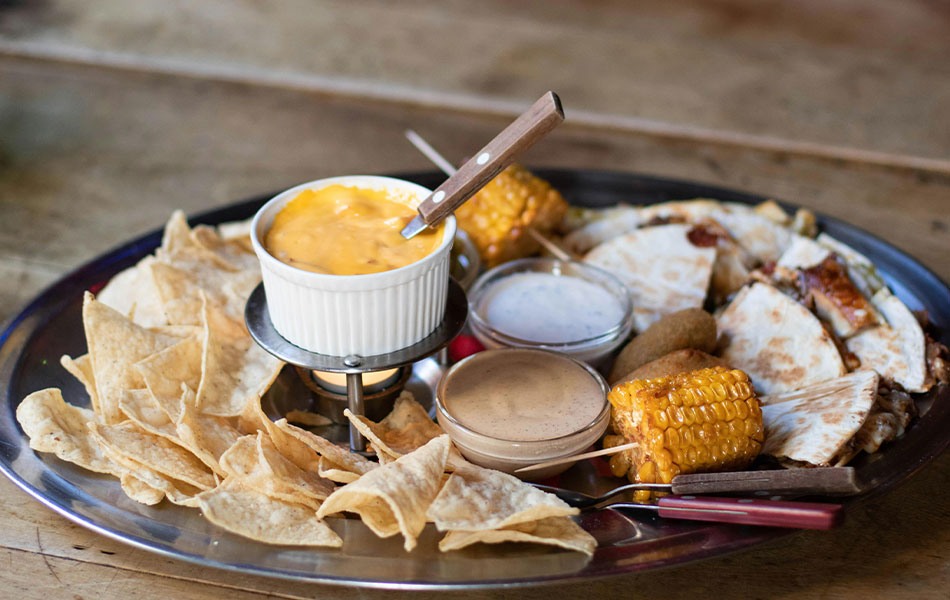
Tex-Mex, Rewritten from the Inside
Tex-Mex and Mexican fusion in San Antonio doesn’t announce itself with excess. It’s practical, everyday food – built for families, not visitors. Enchiladas are rich but restrained. Rice is seasoned with care, not flash. Tortillas matter more than toppings.
Locals know which spots lean more Mexican, which skew more Texas, and which blur the line completely. And those lines shift depending on who’s cooking, who taught them, and what part of the city you’re in.
Enjoy San Antonio’s River Walk flavors on a private tour made just for you.Smoke, Spice, and Shared Techniques
San Antonio BBQ and Mexican food don’t stand apart from the rest of the city’s cooking — they fold into each other. The smoke may be familiar, but the way it’s used reflects a borderland mindset. Chiles take the place of dry rubs. Salsas do the work of sauce. Meat that might be plated and sliced elsewhere is chopped, wrapped, and eaten the way people actually move through their day.
This isn’t barbecue borrowing from Mexican cooking, or the other way around. It’s what happens when neighbors cook side by side, share ingredients, and solve the same problem — how to feed people well — using whatever knowledge is already at hand. The result isn’t a new style. It’s a shared one.
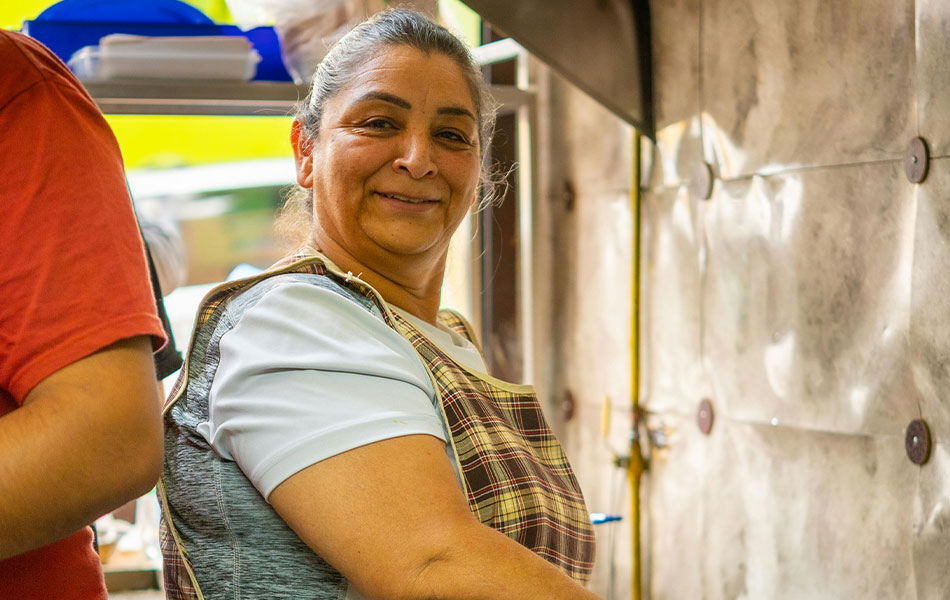
The Quiet Role of Family Kitchens
Much of San Antonio’s food culture takes shape long before it reaches a restaurant. It lives in weekend tamale sessions that involve whole families, recipes written partly in Spanish and partly in memory, and dishes that don’t carry names — only context.
These kitchens quietly set the standard. They teach balance, restraint, and repetition. Cooks grow up eating a certain way, then carry those habits forward, whether they’re feeding a household or shaping a menu. Even when dishes become more polished, they still follow the logic of home cooking: familiar flavors, practical portions, food meant to be shared. This is the foundation of San Antonio local cuisine — built at home first, then carried outward into restaurants without losing its original logic.
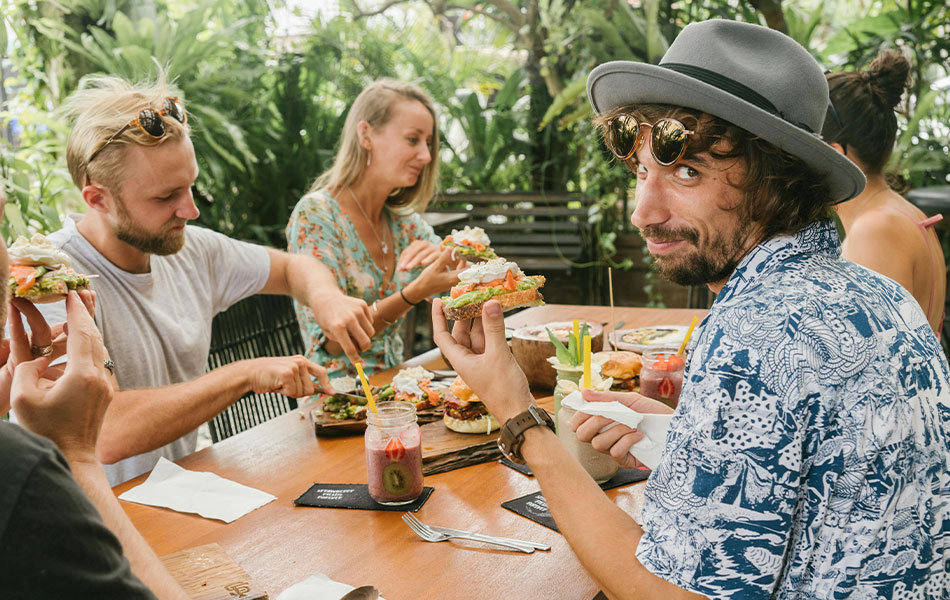
Why This Food Matters
To understand where to eat like a local in San Antonio, you don’t need a checklist — you need a sense of where to go when a certain craving hits. When you want Mexican cooking that anchors everything else, the West Side delivers: barbacoa by the pound, fresh corn tortillas, pan dulce pulled from warm cases.
If you’re in the mood for overlap and movement — tacos that sit comfortably beside bakeries, patios where mole and mezcal share the table — Southtown reflects how the city eats now.
Around the Pearl District, bread, beer, and smoked meats carry European roots while still speaking the city’s broader language; this is where to linger over a lager, a bakery counter, or a plate built around smoke and time. And in King William, the layers come together naturally — Mexican-influenced breakfasts, Southern-leaning lunches, and American comfort dinners shaped by heritage rather than trend.
At its core, San Antonio comfort food culture isn’t about indulgence — it’s about familiarity, rhythm, and eating in a way that feels lived-in rather than performative.
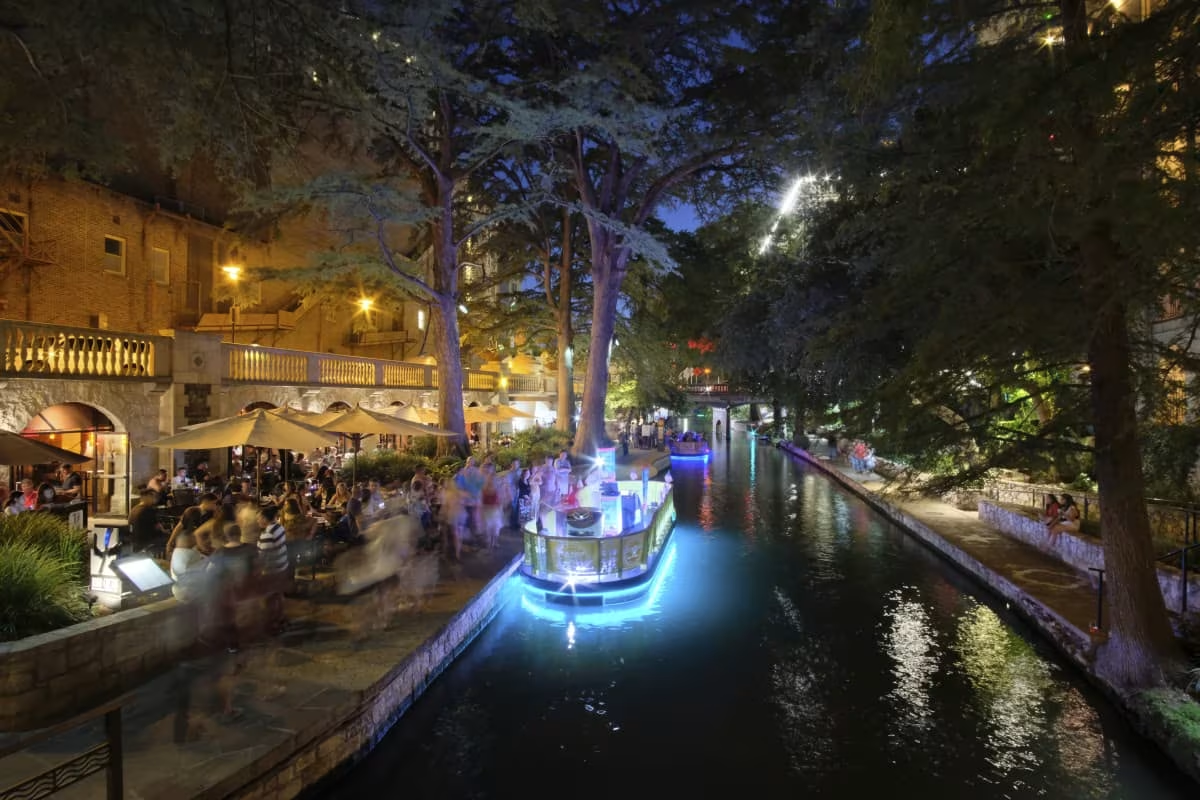
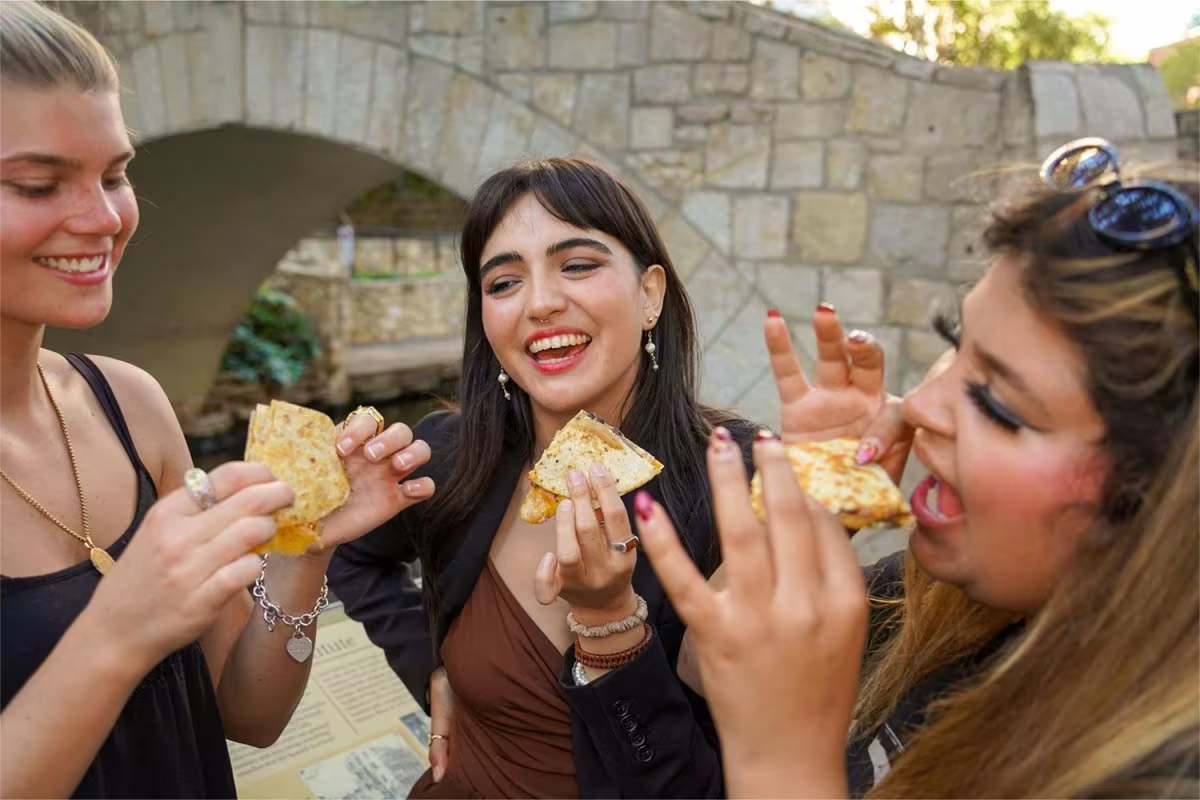
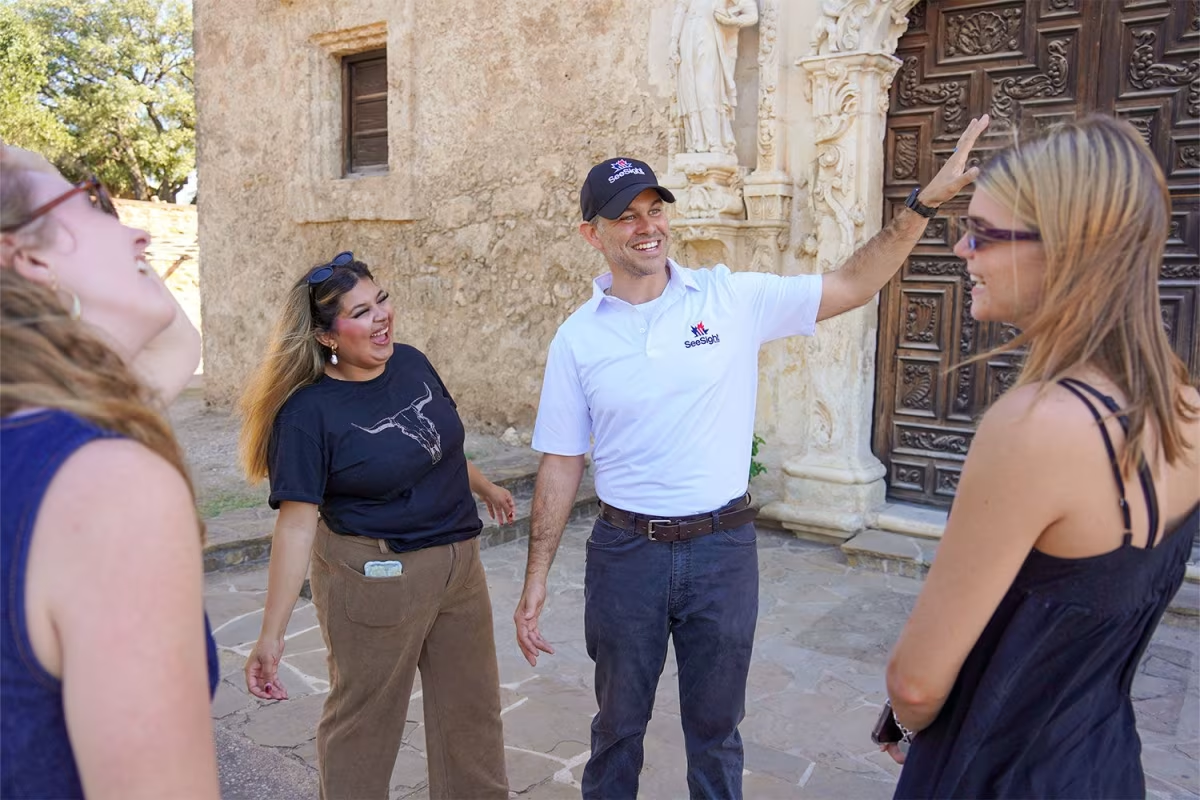
San Antonio’s River Walk is often treated as a single destination, but it’s actually a thread that runs through several food histories at once. See Sight Tours uses that complexity to its advantage on the San Antonio Best of Riverwalk Food Walking Tour, helping visitors understand not just where to eat, but how the city’s culinary layers came to share the same space.Guided by a local, guests move through the River Walk with intention — learning which flavors come from Mexican home kitchens, which reflect Texas barbecue traditions, and how the two merged naturally over generations. The tour isn’t about sampling everything at once; it’s about learning how to recognize what belongs where, so the rest of the city makes sense long after the last bite.
San Antonio doesn’t ask you to choose a cuisine. It invites you to eat according to mood — hungry, lingering, social, or in need of something familiar. The borders dissolve not because they’re erased, but because they were never the point.