

The Best Way to Wander Chicago

The Best Way to Wander Chicago

Natalie Janvary
Published2026-02-20

Table of Contents

Chicago is a city that rewards movement. Not rushing. Not checklist tourism. Not simply hopping between landmarks. To really understand it — to feel its rhythm, texture, and personality — you have to wander.

The best form of exploring Chicago isn’t about covering distance as efficiently as possible. It’s about moving with intention, curiosity, and flexibility. Chicago reveals itself in layers: architectural grandeur, neighborhood identity, lakefront calm, street-level energy, and small moments you never planned for.

This is a city designed for exploration — and wandering is how it’s meant to be experienced.

If you want the best way to see Chicago, start by walking. Then keep going.

Turn four hours into a lifetime of Chicago memories.

Why Chicago Is Built for Wandering

Some cities overwhelm first-time visitors with sprawl. Others feel fragmented. Chicago is different. Its layout is logical, its transit is accessible, and many of its most compelling experiences are connected by walkable corridors.

Wide sidewalks, scenic waterfronts, public art, historic architecture, and clearly defined neighborhoods make the city ideal for gradual discovery. You can move from glass-and-steel skyline to tree-lined residential streets in minutes — each shift offering a different perspective.

This structure makes Chicago one of the most rewarding cities in North America for pedestrian exploration. A thoughtful Chicago walking guide doesn’t just show you where to go — it shows you how everything connects.

And that sense of connection is what makes wandering here feel natural.

Start Downtown — But Don’t Stay There

For most visitors, exploration begins downtown — and that’s exactly where it should start.

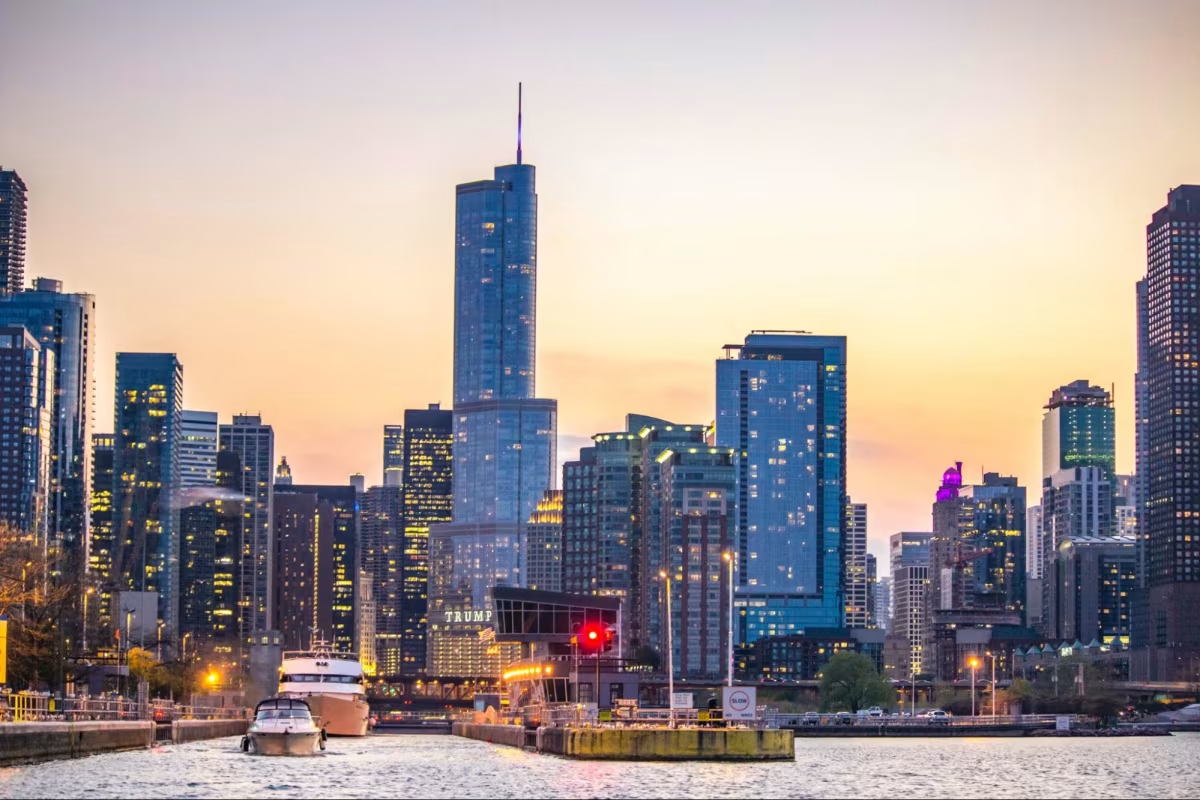
The Loop and surrounding central areas offer a dense concentration of landmarks, making them perfect for orientation. You’ll encounter iconic architecture, river views, public plazas, museums, and some of the most recognizable elements of Chicago’s identity.

If you’re looking for Chicago things to do downtown, wandering itself becomes the activity. Walk without rushing. Let the city introduce itself.

Start with:

  • The Chicago River and its bridges
  • Historic buildings rising beside modern towers
  • Public art installations tucked between office corridors
  • Lakefront access just a short walk east

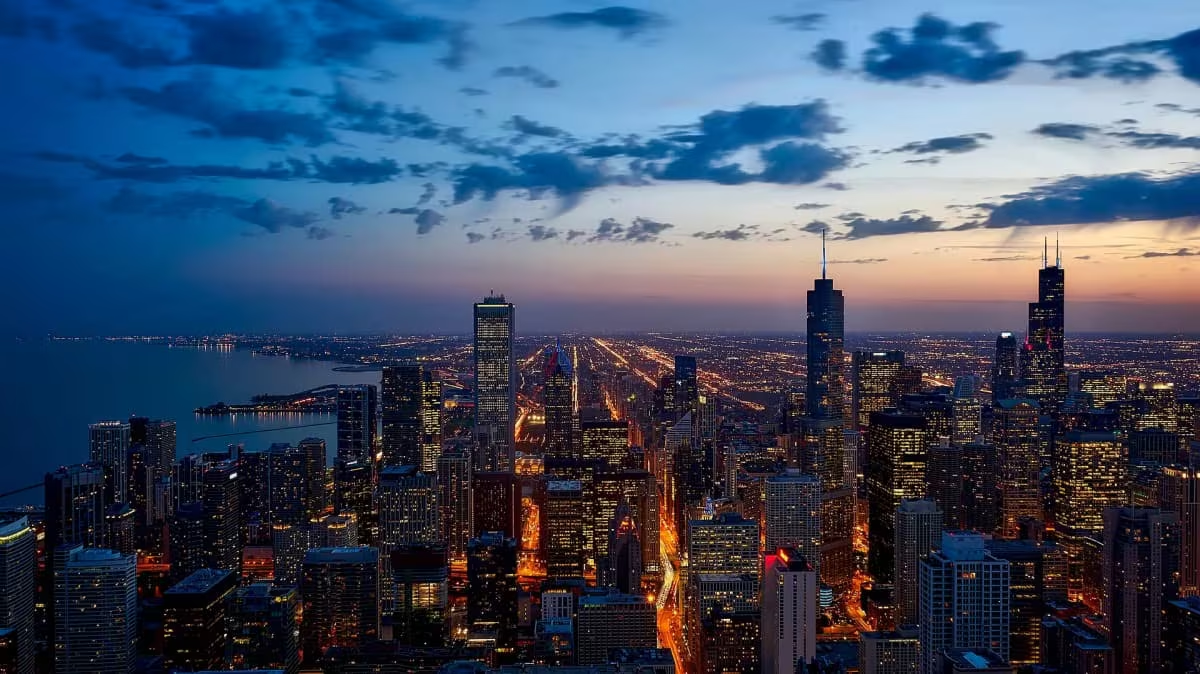
Downtown gives you scale — the sense of Chicago as a global city.

But it’s only the beginning.

The Chicago Riverwalk: The City’s Linear Living Room

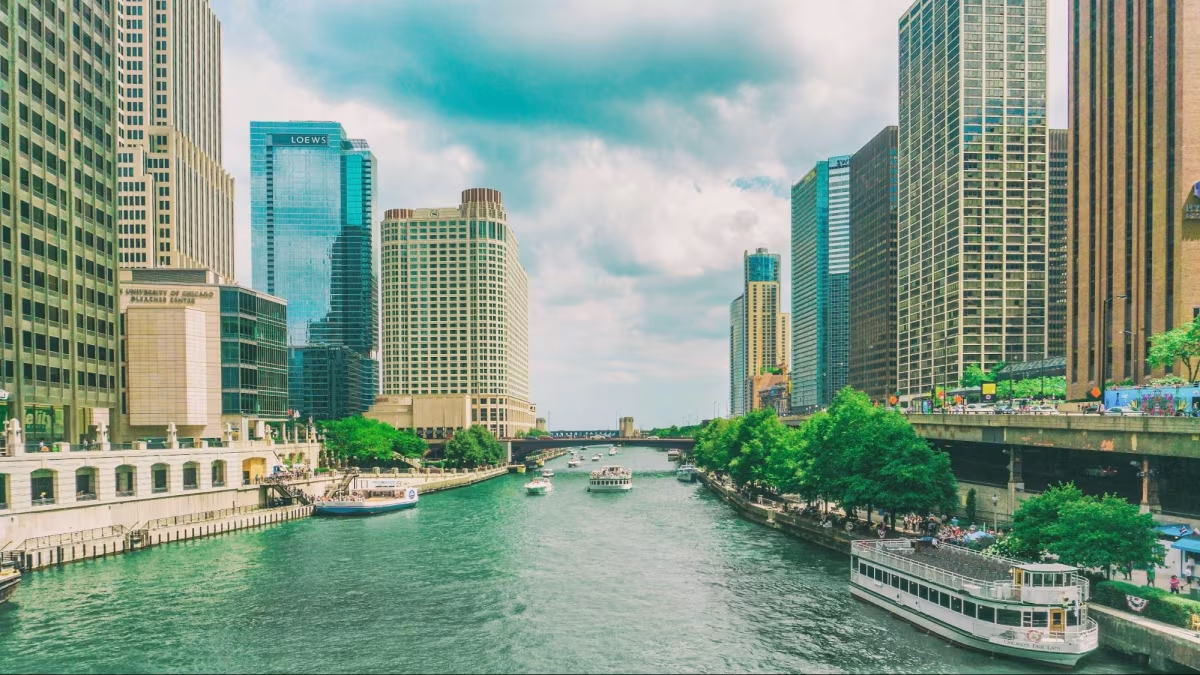
Few places capture Chicago’s character more clearly than the riverfront. A full Chicago Riverwalk guide could fill a day on its own, but its real value is how it anchors your understanding of the city.

Walking along the river offers constant perspective shifts:

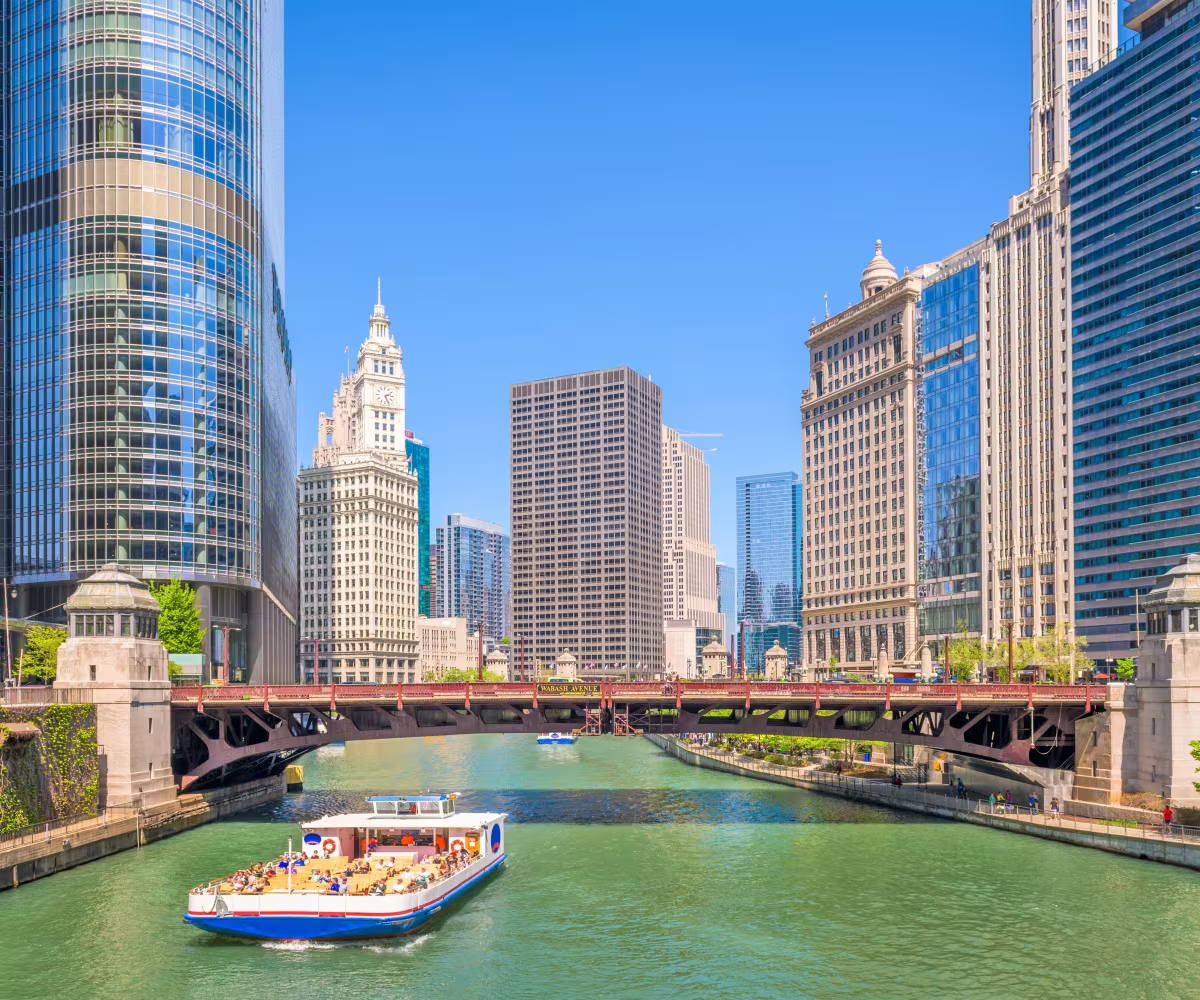
  • Towering architecture reflected in moving water
  • Boats passing beneath historic bridges
  • Restaurants and seating areas built directly into the river’s edge
  • Public art and performance spaces

This isn’t just a scenic path — it’s an immersive urban experience. The riverwalk reveals how Chicago interacts with its environment, blending infrastructure, recreation, and design.

For many visitors, this is where the city begins to feel personal rather than monumental.

Let Architecture Lead the Way

Chicago doesn’t simply contain great architecture — it tells its story through it. Every building contributes to a timeline of innovation, resilience, and ambition.

A Chicago architecture walking tour — formal or self-guided — is one of the most meaningful ways to understand the city’s evolution. Even casual wandering becomes educational when you start noticing details:

  • Historic facades preserved among modern towers
  • Contrasting materials and structural styles
  • Skyline views framed by street-level perspectives
  • Buildings shaped by the Great Chicago Fire and subsequent reinvention

Architecture here isn’t background scenery. It's a narrative.

Following that narrative transforms ordinary walking into deeper Chicago city exploration.

Experience Chicago architecture from street to skyline.

Move Beyond the Loop: The Neighborhood Experience

Downtown shows you Chicago’s scale. Neighborhoods show you its soul.

To truly understand the city, you need to learn how to explore Chicago neighborhoods — and more importantly, why each one feels distinct.

Chicago is a mosaic of communities, each with its own rhythm, culture, and identity. Wandering from neighborhood to neighborhood reveals how dramatically the atmosphere can change within just a few transit stops.

A thoughtful Chicago neighborhoods guide might include:

  • Lincoln Park: Leafy streets, lakefront access, and relaxed residential energy.
  • Wicker Park & Bucktown: Creative, independent, and constantly evolving — known for boutiques, cafés, and arts culture.
  • Pilsen: Colorful murals, strong cultural identity, and a vibrant food scene.
  • Hyde Park: Historic architecture, intellectual energy, and lakeside calm.
  • West Loop: Industrial past transformed into one of the city’s most dynamic dining districts.

Each neighborhood rewards unstructured wandering. Walk a few blocks. Turn where something catches your attention. Sit somewhere unexpected. That’s where Chicago becomes memorable.

The Power of the Self-Guided Chicago Tour

There’s something uniquely satisfying about building your own path through the city. A self guided Chicago tour allows you to follow curiosity rather than schedule.

Instead of rigid planning, think in themed walking segments:

  • Architecture-focused routes
  • Lakefront exploration
  • Neighborhood café hopping
  • Public art discovery
  • Park and green space wandering

Chicago’s grid system makes self-navigation surprisingly easy. Major streets run predictably, landmarks remain visible, and public transit fills the gaps between walking zones.

This flexibility is what makes Chicago ideal for independent exploration. You never feel lost — just redirected.

Walkable Areas in Chicago Worth Prioritizing

While the city is large, several districts are especially well-suited for extended wandering.

  • The Loop & River North: Dense, architectural, energetic — ideal for first impressions.
  • Magnificent Mile & Streeterville: Lake proximity, shopping, and skyline views.
  • Lincoln Park Lakefront: Open space, water views, and slower pace.
  • West Loop: Industrial streets repurposed into vibrant urban corridors.
  • Andersonville: Community-centered and welcoming, with distinct local character.

These walkable areas in Chicago allow visitors to experience different facets of the city without long transit breaks.

Planning Without Overplanning

A good Chicago travel planning guide encourages preparation — but not rigidity.

The best wandering happens when structure supports spontaneity. Plan your starting points, major neighborhoods, and broad themes. Leave space between them.

Effective Chicago itinerary ideas often look like this:

  • Morning: neighborhood exploration
  • Midday: waterfront or park
  • Afternoon: architecture or museum
  • Evening: dining and street-level wandering

The key is flow, not efficiency.

Chicago Sightseeing Tips That Change Everything

Some practical insights can dramatically improve the experience of exploring on foot.

  • Use public transit strategically: Walk within neighborhoods, ride between them.
  • Look up — and down: Chicago’s design details exist at every level.
  • Explore early and late: Morning calm and evening light transform familiar streets.
  • Follow local rhythms: Busy cafés, full parks, and lively sidewalks reveal where energy gathers.
  • Allow detours: The most memorable discoveries rarely appear on itineraries.

These small adjustments turn casual walking into meaningful exploration.

Chicago for First-Time Visitors: Embrace Scale Gradually

Strong Chicago first time visitor tips focus less on landmarks and more on pacing.

Chicago can feel immense at first glance. Skyscrapers dominate, streets stretch wide, and distances appear larger than they are. Walking helps humanize the scale.

Begin with central areas and expand outward, letting the city unfold in manageable layers. Many first-time visitors find that joining a thoughtfully paced small-group experience — like those offered by See Sight Tours — helps make that scale feel approachable from day one. Experiences such as the Best of Chicago Walking Tour, the Best of Chicago History & Architecture Walking Tour, or the Best of Chicago History & Architecture Walking Tour with Boat Cruise provide expert local context while guiding you through the city’s most important districts. With that orientation, the skyline becomes less overwhelming and more inviting. Within a day or two, Chicago stops feeling intimidating and starts feeling navigable.

That transition is part of the magic.

The Lakefront: Chicago’s Breathing Space

No wandering strategy is complete without time along the water.

Lake Michigan provides contrast to urban density — open horizon, moving air, and uninterrupted views. Walking here resets your sense of space and perspective.

You’ll see runners, cyclists, families, and quiet observers all sharing the shoreline. The lakefront isn’t just scenery — it’s part of daily life.

And understanding Chicago means seeing how urban intensity and natural openness coexist.

The Real Secret to Exploring Chicago

The most important truth about exploring Chicago is simple: Movement reveals meaning.

The city rewards attention — to architecture, to neighborhoods, to small transitions between environments. Every block shift tells you something about history, culture, and identity.

Chicago is not a place you rush through. It’s a place you move with.

The Best Way to See Chicago Is to Wander

There are countless ways to experience the city — guided tours, observation decks, museums, curated itineraries. All of them have value.

But wandering remains the most revealing.

Walking allows you to notice what doesn’t make guidebooks:
unexpected views, neighborhood rhythms, architectural contrasts, local routines, quiet corners, and fleeting moments that define atmosphere.

That’s the real Chicago city exploration guide — not a list, but a mindset.

Start downtown. Follow the river. Cross into neighborhoods. Walk the lakefront. Let architecture lead you. Build your own route. Adjust as you go.

Chicago isn’t just meant to be seen. It’s meant to be wandered.

Natalie Janvary
About the Author

Natalie Janvary

Travel enthusiast and writer at See Sight Tours. Natalie Janvary loves sharing tips and guides to help you explore the best destinations.

View all posts by Natalie Janvary