

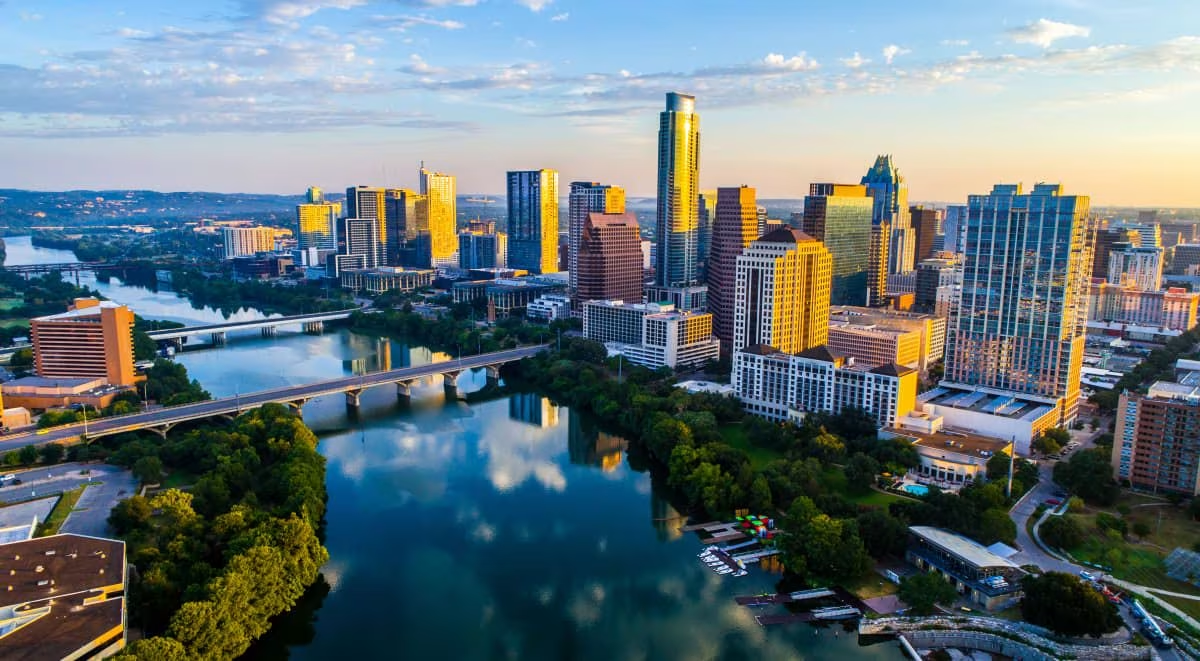

In Austin, music isn’t background noise — it’s infrastructure. It hums beneath conversations, spills out of open doorways, and drifts across patios long after sunset. The slogan “Live Music Capital of the World” is more than branding. It’s a lived reality shaped by generations of musicians, small club owners, and fiercely loyal crowds who believe a city is only as strong as its stages.
To understand Austin, you have to stand inside one of its venues — shoulder to shoulder with strangers, boots sticky from spilled beer, lights low, amps buzzing — and feel how a room transforms when a song begins. These are the spots locals swear by. Not because they’re flashy. Because they’ve shaped the city.
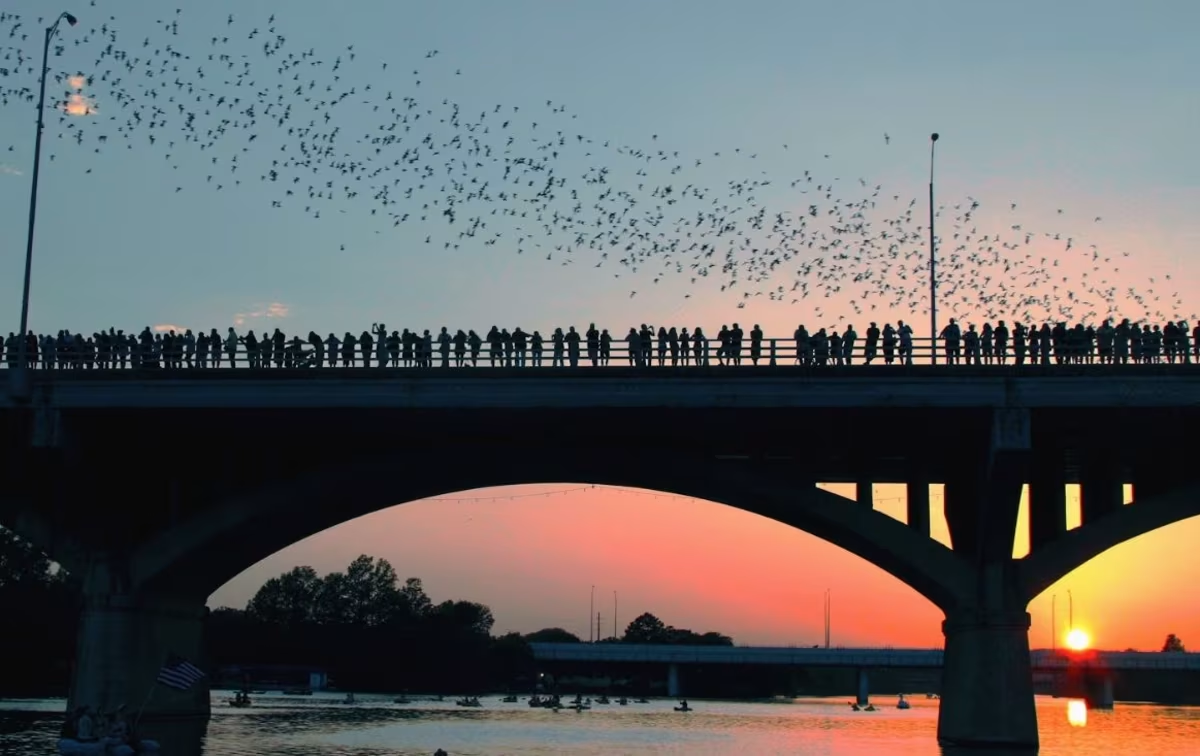
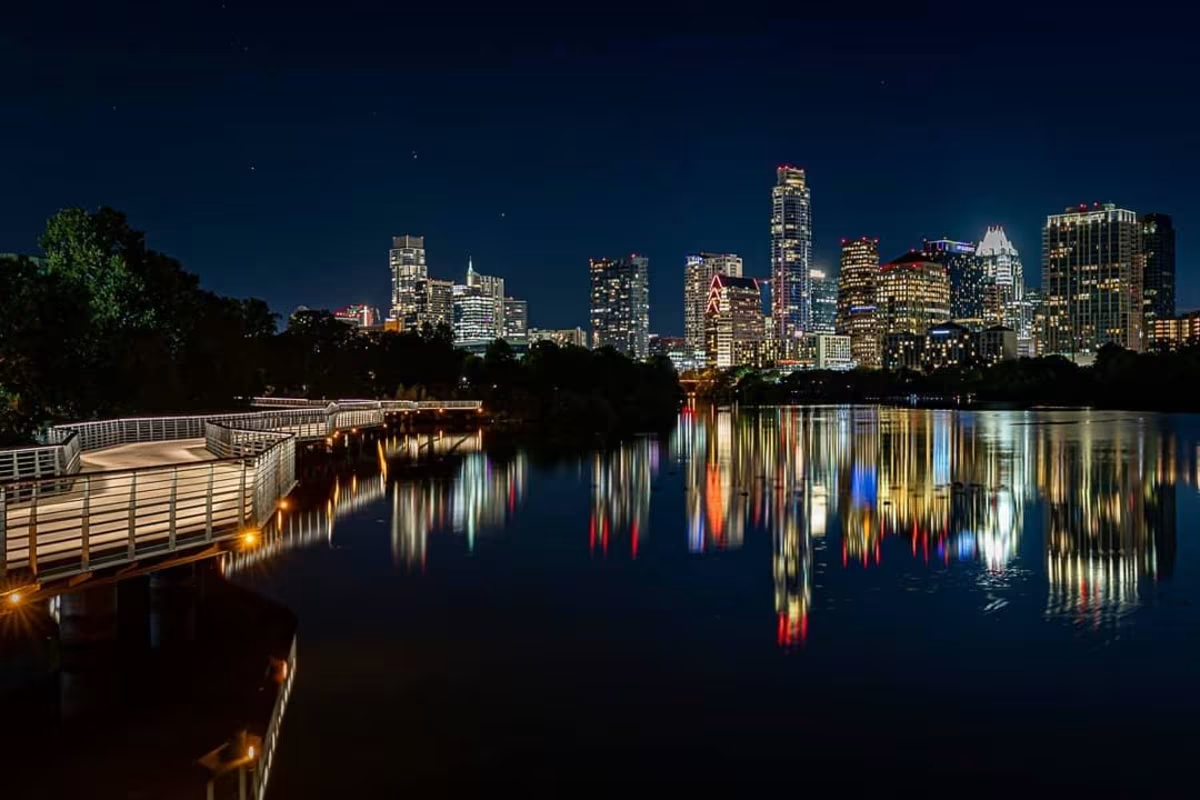
Chase sunsets, skylines, and bats—experience Austin by night!Red River Cultural District: The Pulse After Dark
Just east of downtown, Red River is where Austin’s heartbeat accelerates after 9 p.m. This isn’t polished nightlife; it’s sweat, distortion, and discovery. On any given weekend, you’ll see lines outside venues you’ve never heard of — because locals know that tonight’s opener might be next year’s headliner.Red River thrives on genre fluidity. Indie rock bleeds into punk, hip-hop overlaps with experimental synth sets. It’s not curated for tourists; it’s built for people who show up regularly and care deeply. Stand outside between sets and you’ll hear musicians critiquing one another’s mixes, bartenders debating last night’s show, and longtime residents reminiscing about bands that started right here.
And while Red River defines Austin’s alternative edge, just a few blocks away is the stretch that made the city famous: East 6th Street — better known locally as “Dirty 6th.” The Red River Cultural District and Dirty 6th together form the core of downtown’s late-night music ecosystem. Neon glows. Doors stay open. Bands rotate hourly. It’s chaotic, loud, and undeniably part of Austin’s identity — even for locals who don’t spend every weekend there anymore.
On Dirty 6th, you’ll find spots like Pete's Dueling Pianos — a high-energy singalong piano bar where the crowd becomes part of the show. It’s best experienced after a few drinks elsewhere first, when the room is loose and ready to belt out classics at full volume. It’s less about musicianship and more about collective catharsis.
The district reminds you that Austin’s sound isn’t static. It evolves nightly.
Antone's Nightclub: Where Blues Still Breathes
If Red River is the city’s restless energy, Antone’s is its foundation. Opened in 1975, this legendary club helped cement Austin’s reputation as a blues stronghold. Icons have played here. So have hungry newcomers hoping to channel that same lineage.
Inside, the room is intimate but reverent. The stage lighting glows warm against exposed brick, and the crowd listens — really listens. There’s a respect for musicianship that feels almost sacred. You don’t talk through guitar solos here.
Locals return because Antone’s connects Austin to its musical ancestry. It’s proof that while trends shift, the blues remains embedded in the city’s DNA.
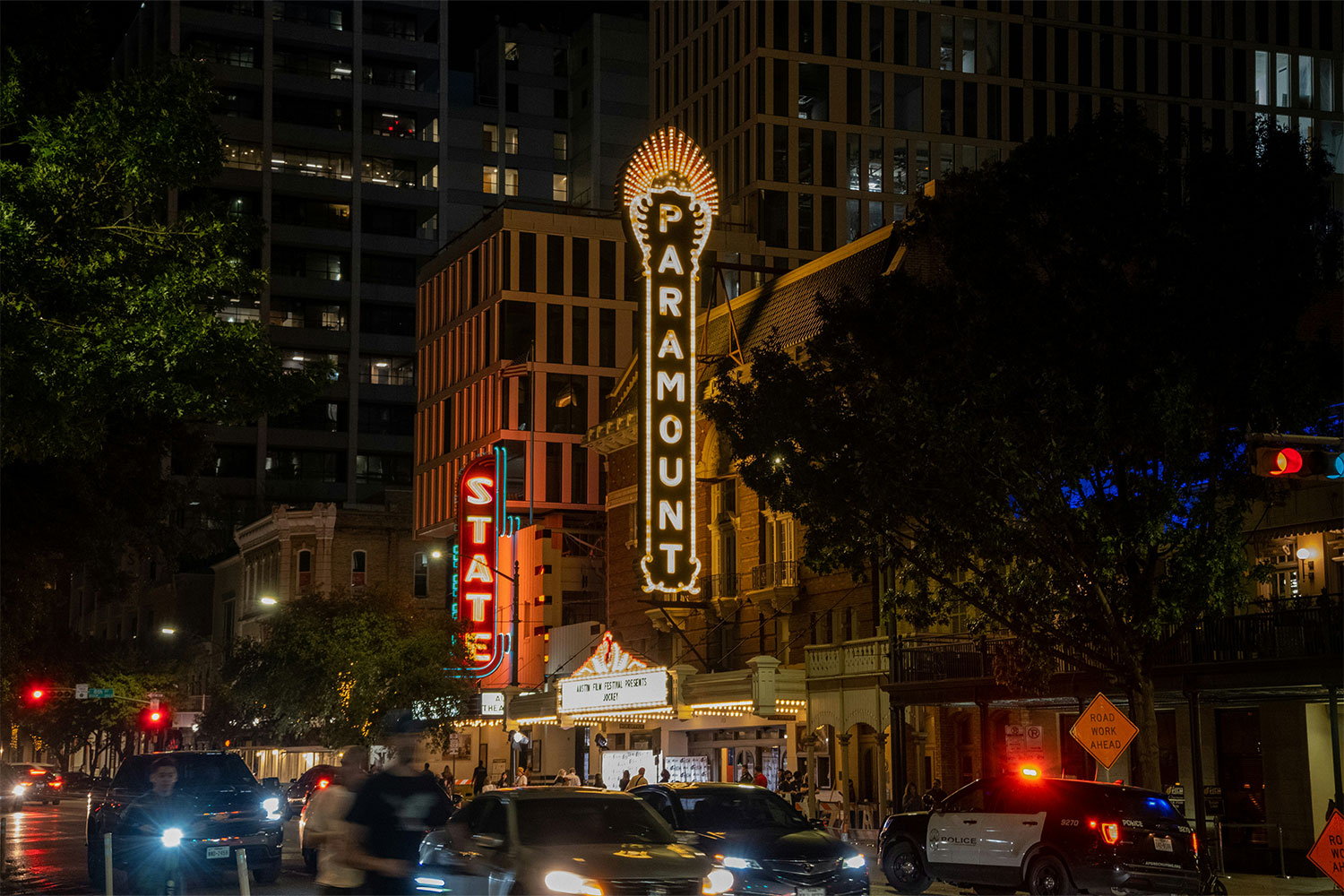
The Continental Club: South Congress’ Living Room
On South Congress, amid boutiques and coffee shops, The Continental Club feels timeless. Since 1955, it has been a stage for rockabilly, country, soul, and roots music. Step inside and the low ceiling pulls the sound closer; every drumbeat feels personal.
Locals describe it as Austin’s living room. It’s where first dates turn into annual traditions, where visiting friends are taken to “see the real Austin,” and where regulars know exactly where to stand for the best acoustics.
There’s a particular magic here: the sense that music isn’t performance, but participation. People dance. They sway. They shout encouragement from the bar. The Continental Club isn’t chasing the next big thing — it celebrates the musicians who commit to the craft.
Mohawk Austin: Open-Air Intensity
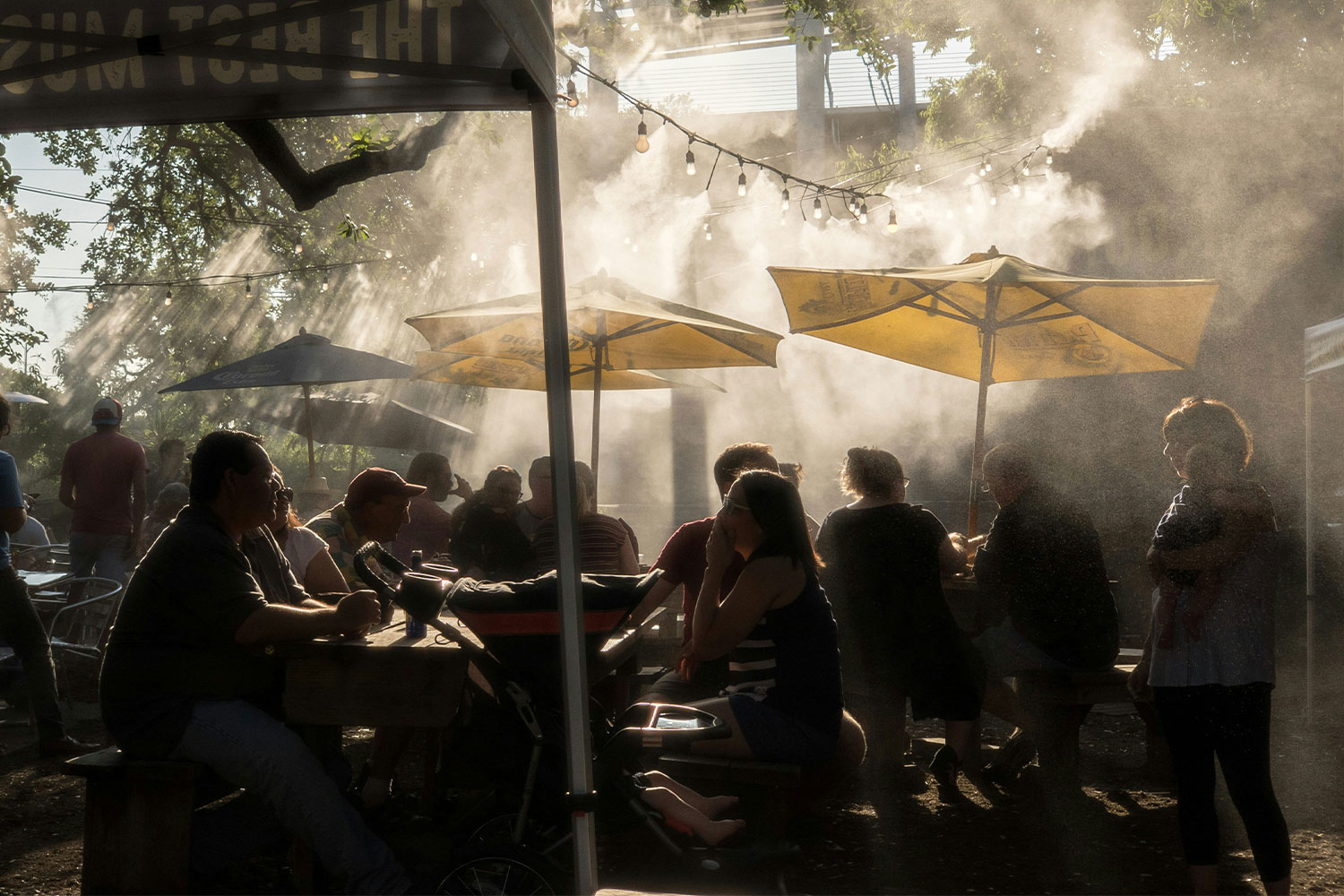
Mohawk straddles grit and growth. With indoor and outdoor stages layered into a multi-level layout, it captures Austin’s modern music identity — ambitious, eclectic, and slightly chaotic.
The outdoor stage, framed by string lights and skyline views, feels expansive. Meanwhile, the indoor room can tighten into a pressure cooker of sound. You might catch an emerging indie act one night and a nationally touring band the next.
Locals love Mohawk for its range. It bridges underground and mainstream without losing credibility. It proves Austin can grow without abandoning edge.
The Broken Spoke: Two-Stepping Through Time
In a city increasingly defined by tech campuses and luxury condos, The Broken Spoke stands stubbornly traditional. Since 1964, it has preserved honky-tonk culture — complete with two-stepping lessons and country bands that keep boots moving until closing time.
There’s no irony here. No reinvention. Just straightforward Texas dance hall energy.
If you want classic honky-tonk — not curated, not polished — this is it. South Lamar, wooden floors, longnecks in hand. It’s the version of Austin that predates the skyline boom and refuses to disappear.
Alternative & Genre-Specific Local Favourites
Austin’s music identity isn’t confined to one district. Locals branch out by genre.
- For alternative and touring indie acts, Emo's Austin is a staple. It’s larger than the Red River clubs but still retains grit. Big sound, high ceilings, and a calendar packed with national tours.
- If blues and classic soul are more your tempo, C-Boy's Heart & Soul delivers a neighborhood juke-joint vibe. Expect R&B, horns, dancing, and an upstairs lounge that feels like a time capsule.
- For jazz fusion and nightly improvisation, Elephant Room keeps things intimate — a basement bar downtown with live jazz seven nights a week. No gimmicks. Just musicians pushing sound in real time.
Each venue speaks to a different side of Austin. Together, they prove the “Live Music Capital” label isn’t one-dimensional — it stretches from country two-step to underground jazz to alternative tour circuits.
Austin Lead Guide Mike Middleton says:
"If you want to understand Austin’s music scene, don’t stick to just one style or one street. Start with the energy of Red River or Dirty 6th to feel the scale of it — then branch out. Catch blues at C-Boy’s, jazz at Elephant Room, or two-step at Broken Spoke. Every venue shows you a different side of the city. That’s the real Austin locals experience."ACL Live at the Moody Theater: A Larger Stage, Same Soul
Home to the long-running television series Austin City Limits, ACL Live represents Austin on a global scale. The acoustics are pristine. The seating is tiered. The lighting design rivals major touring venues.
And yet, it still feels distinctly local.
The artists who step onto this stage know they’re part of something historic. For locals, attending a taping is a point of pride — a reminder that their city’s music scene doesn’t just influence culture; it broadcasts it.
ACL Live demonstrates that growth can amplify identity rather than dilute it.
Why These Stages Matter
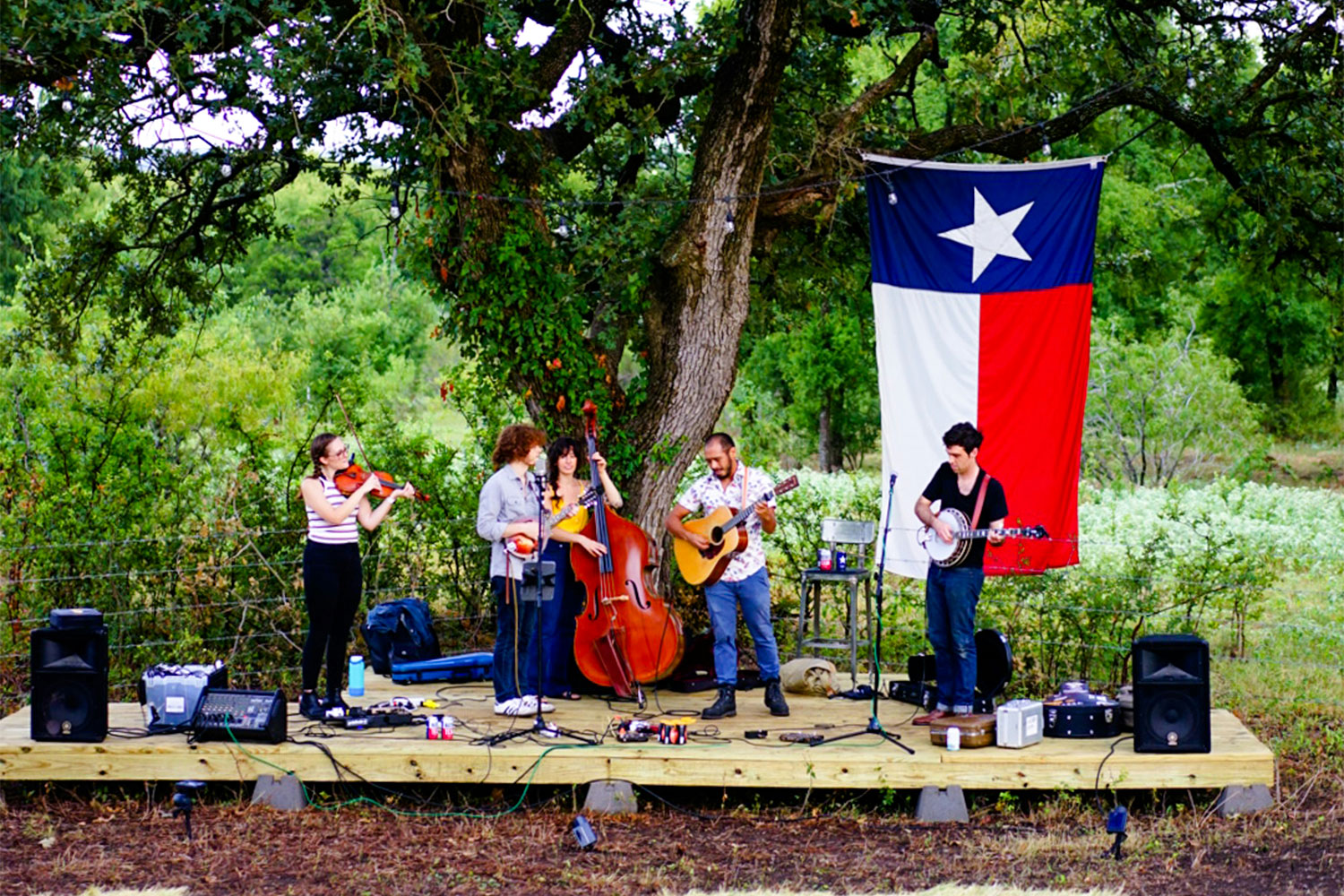
Austin’s iconic Austin stages aren’t interchangeable — each carries a distinct sound, history, and following. Each reflects a different chapter of the city’s story: blues heritage, country roots, indie experimentation, large-scale recognition. Together, they create a layered ecosystem where emerging artists can develop and legends can return. Many of these are historic music venues in Austin, preserved not as museum pieces but as working stages that continue shaping the city’s identity.
But beyond sound, these stages foster community. Bartenders become unofficial historians. Door staff recognize regulars. Bands collaborate after crossing paths in green rooms. In a rapidly expanding city, these spaces anchor connection.
Music also shapes geography. South Congress would feel different without The Continental Club’s glow. Red River’s identity is inseparable from its cluster of stages. Even the skyline views from Mohawk reframe downtown as a backdrop to something communal and creative.
Austin’s music scene isn’t sustained by massive arenas alone. It survives because small and mid-sized venues keep taking risks on artists before they trend.
Book your See Sight Tours Austin experience today and experience the city like a true insider.The City Behind the Sound
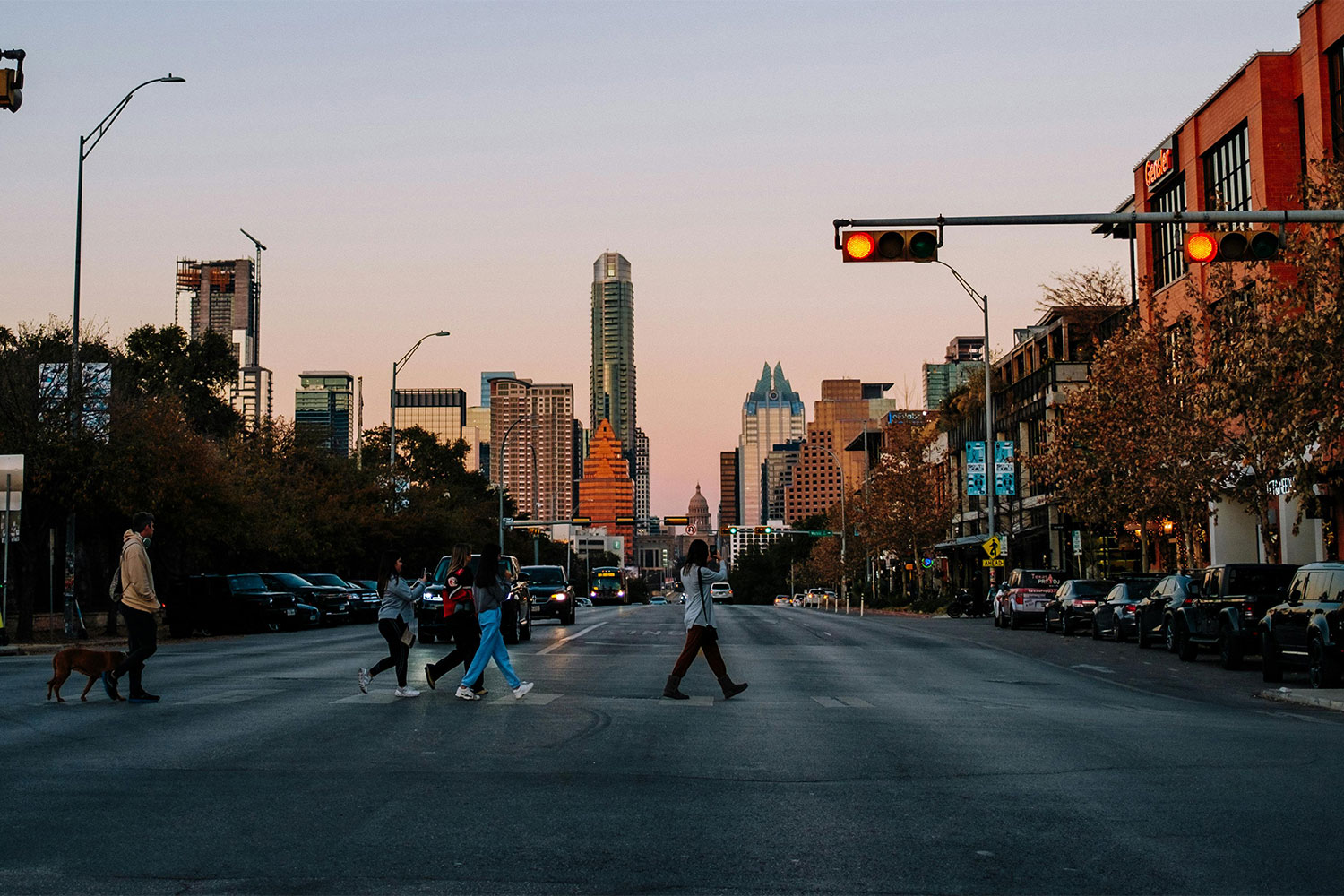
Walk outside after a show and you’ll see it: crowds spilling onto sidewalks, taco trucks serving late-night fuel, rideshares idling under neon signs. Music radiates outward, shaping nightlife, dining, even urban planning decisions.
As Austin evolves — balancing preservation with expansion — these venues become cultural anchors. They remind residents that growth should amplify creativity, not silence it.
Locals swear by these spots not out of stubbornness, but out of gratitude. They know a city’s identity is fragile. It can shift quickly under economic pressure or aesthetic reinvention. The stages that survive decades do so because communities protect them.
Experiencing the Real Austin
For visitors, the temptation is to check off a single venue and call it done. But Austin rewards repetition. Catch an early set on South Congress, then wander toward Red River for something louder. Return the next night for blues at Antone’s. Let the city’s rhythm guide you rather than a strict itinerary. The real magic often happens in Austin local music spots that don’t make national headlines but define neighborhood culture.
Austin’s music scene is not a spectacle staged for outsiders. It’s participatory. Show up curious. Stay for the encore. Tip the band. Talk to strangers between songs.
That’s how you understand the city. Because in Austin, stages don’t just host performances. They shape a culture. And if you listen closely — beneath the guitars and drumlines — you’ll hear something deeper: a community building itself, one song at a time.
Our See Sight Tours Austin Small-Group Experience takes you beyond the venues and into the stories behind them — from iconic districts and skyline viewpoints to hidden local gems you’d never find on your own. Travel comfortably in a small group with a local guide who brings Austin’s culture, history, and personality to life.
Whether you're here for the music, the food, or the energy, let us show you the Austin locals know.