


New York for First-Time Visitors can feel thrilling, overwhelming, and unforgettable—all at once. From the bright lights of Times Square to quiet corners of Central Park, the city delivers nonstop energy and endless possibilities. But with so much to see, knowing where to start matters. This New York travel guide for beginners helps first-time travelers plan smarter, move confidently, and experience the Big Apple without feeling rushed. This article breaks down exactly what you need to know to make your first trip to New York memorable for all the right reasons. It works as a practical travel guide, covering timing, transportation, neighborhoods, attractions, and real-world tips for first-time visitors.
Walk Midtown icons, then rise above NYC at SUMMIT One Vanderbilt.Is New York Worth Visiting for First-Timers?
New York City is one of the most iconic destinations in the world. For first-time visitors, it delivers experiences you’ve seen in movies, photos, and TV shows—now in real life.
New York is big, loud, fast and that’s exactly the point. The crowds, the constant movement, and the sensory overload are not drawbacks for beginners. They are what make the city feel alive. Once you accept the pace instead of fighting it, the experience becomes exciting rather than overwhelming.

Best Time to Visit New York City
The best time to visit New York City depends on what kind of experience you want. Every season offers something different, and first-time visitors can enjoy the city year-round with the right planning.
Winter (January–February)
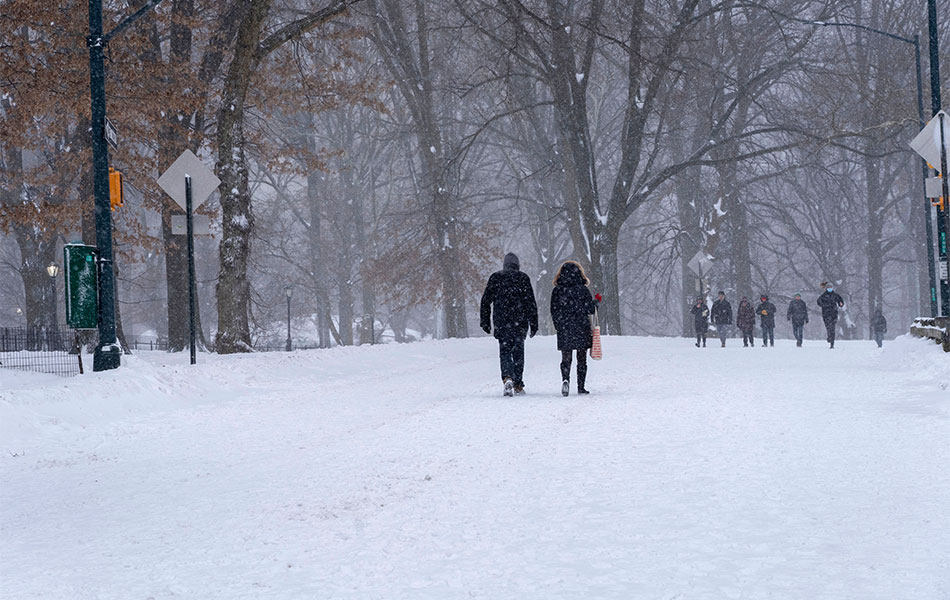
Winter is cold, and snow is possible. But crowds are smaller and hotel prices are lower. This is a great time for museums, Broadway shows, and indoor attractions like the 9/11 Memorial Museum.
Spring (March–May)
Spring brings mild temperatures and blooming parks. Central Park comes alive, and the Brooklyn Botanic Garden is at its best during cherry blossom season. It’s one of the most pleasant times for walking tours and outdoor sightseeing.

Summer (June–August)
Summer is hot and humid. The city hosts festivals, outdoor events, and rooftop season is in full swing. Expect crowds, but also long days and lively street energy.

Fall (September–November)
Fall offers crisp weather and colorful foliage. It’s often considered the best balance for sightseeing, walking, and exploring neighborhoods.

How Many Days Do You Need in New York?
The number of days you need for a trip to NYC depends on how much you want to see and how relaxed you want your visit to feel.
Three days is the absolute minimum for first-timers. It allows you to see the main highlights but little else. A stay of five to seven days is ideal. This gives you time to explore without feeling rushed. This timeframe also allows you to build a balanced NYC itinerary that mixes major landmarks with neighborhood exploration.
Where to Stay in New York for First-Time Visitors
Choosing the right neighborhood can shape your entire trip. Location matters more than hotel luxury in New York City.
Midtown Manhattan
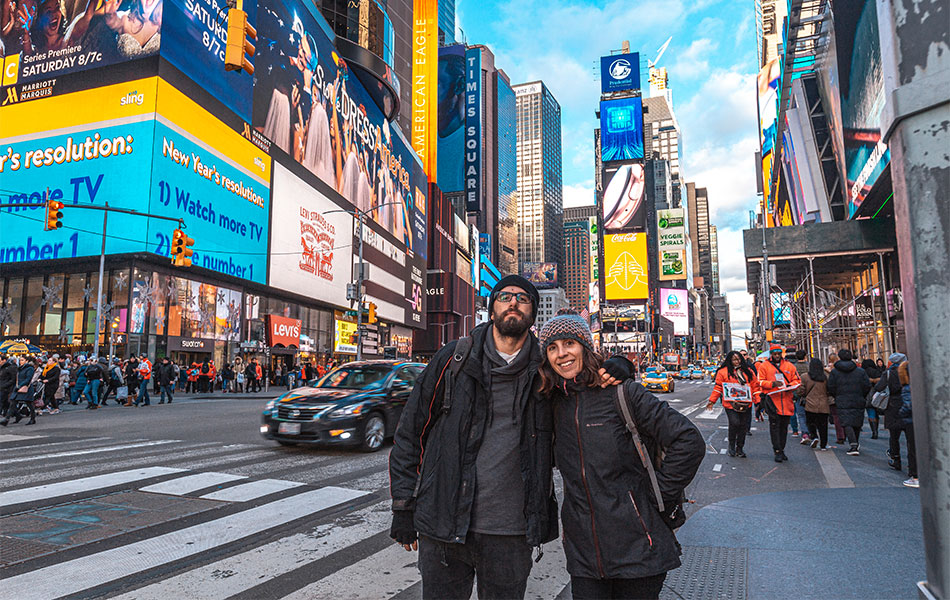
Midtown is the most central place to stay. You are close to Times Square, Central Park, Grand Central Station, and many top attractions. It is ideal for first-time visitors who want easy sightseeing.

Lower Manhattan / Financial District
This area is great for history lovers. You are near the 9/11 Memorial, Statue of Liberty ferries, and Brooklyn Bridge. It is quieter at night but well connected.

Greenwich Village & West Village
These neighborhoods feel more local and charming. Streets are walkable and full of cafés, shops, and music venues. It is a good choice if you want character over crowds.
Upper West Side
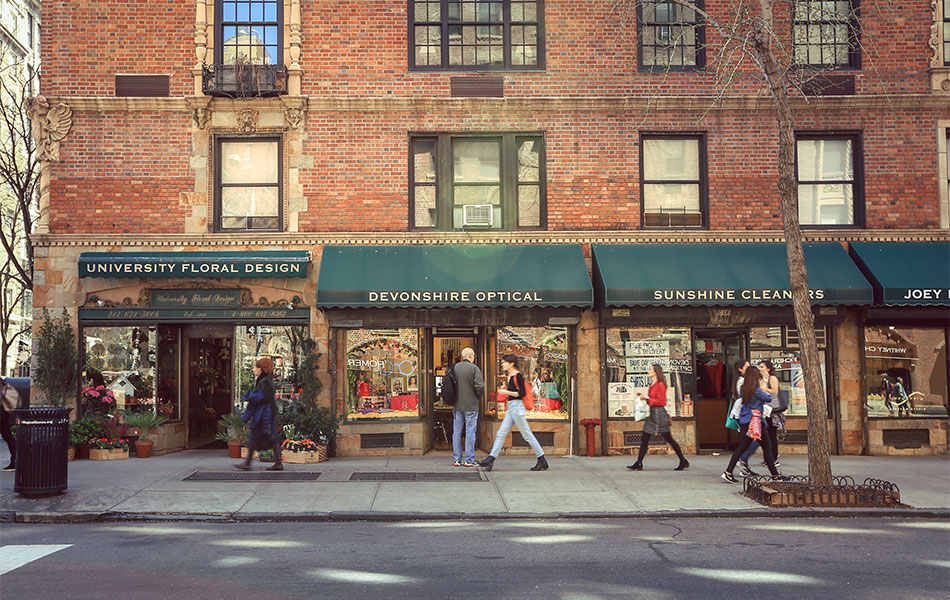
The Upper West Side is calmer and more residential. It sits next to Central Park and has good subway access. It works well if you prefer quieter evenings.

Brooklyn (Williamsburg & DUMBO)
Brooklyn offers charm, food, and skyline views. Williamsburg feels trendy and creative. DUMBO is scenic but limited for hotels. Expect a 30–40 minute commute to most Manhattan sights.

How to Get Around New York City?
Getting around New York City is easier than it looks. Once you understand the basics, moving through the city becomes part of the experience.
Walking + Subway
Walking and the subway are the most efficient ways to explore NYC. Many attractions are close together, especially in Manhattan. Walking lets you see neighborhoods, while the subway saves time over long distances.

MetroCard and OMNY Basics
The subway runs 24/7. You can pay in two main ways. MetroCard is a reloadable card you swipe at the turnstile. OMNY lets you tap a contactless credit card, phone, or smartwatch. Both cost the same per ride. Unlimited passes are available and can save money on longer trips.
Taxis and Ubers
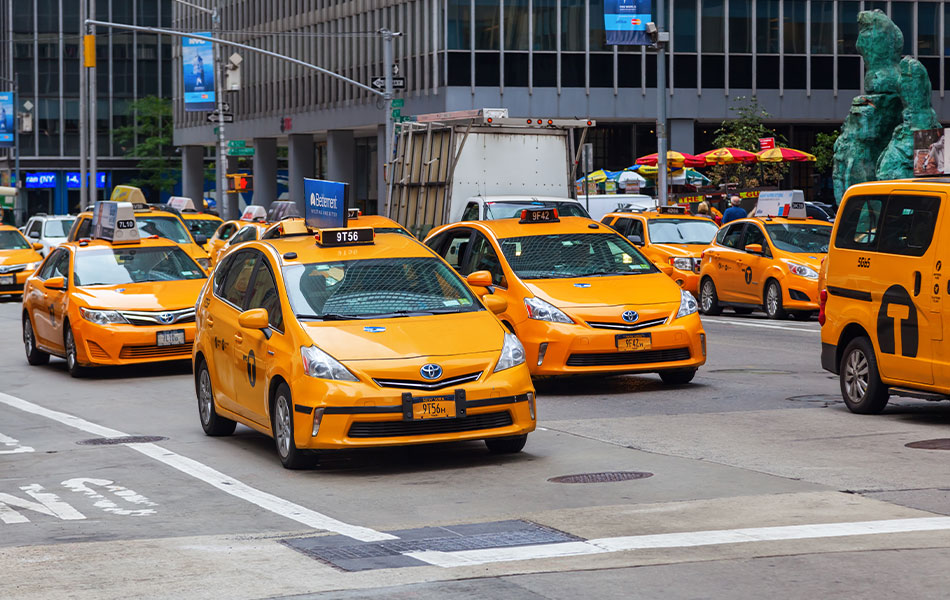
Taxis and Ubers are useful late at night, in bad weather, or when carrying luggage. They are slower during rush hour due to traffic. Short rides can be affordable, but prices add up quickly.
Using Ferries Around the City
Ferries offer great views of the city skyline. The Staten Island Ferry is free and passes the Statue of Liberty. Ferries to Governors Island are ideal in warmer months. They are scenic, affordable, and less crowded than subways.
First-Time NYC Travel Tips
These tips will help you move smarter and enjoy your first trip without unnecessary stress.
- New York City is huge. Group activities by neighborhood to save time and energy. Avoid jumping from Uptown to Downtown in one day.
- Walk on the right side of the sidewalk. Do not stop suddenly in busy areas. Step aside if you need to check your phone. New Yorkers move fast, especially during rush hour.
- You will walk a lot. Sidewalks are uneven and distances add up quickly. Wear comfortable, broken-in shoes.
- Tipping is expected in the United States. Restaurants usually expect 18–22 percent. Tip taxi and Uber drivers. Hotel staff and tour guides also expect tips. Budget for this in advance.
- Jet lag is common for international travelers. You may wake up very early the first few days. Use this to your advantage. Early mornings are quieter and great for sightseeing.
- The U.S. uses different power plugs. Bring an international adapter.
- Credit cards and contactless payments are widely accepted. Carry some cash for small purchases.
- New York is generally safe, but stay alert in crowded places. Keep bags zipped and valuables close. Avoid empty subway cars late at night. Stick to well-lit streets and trust your instincts.
Best Things to Do in New York for First-Timers
New York sightseeing for beginners focuses on iconic landmarks that help first-time visitors understand the scale and energy of the city. These New York experiences for first-timers combine must-see sights with simple, memorable moments that define a first visit.
Times Square
Central Park Highlights

Grand Central Station

Flatiron Building
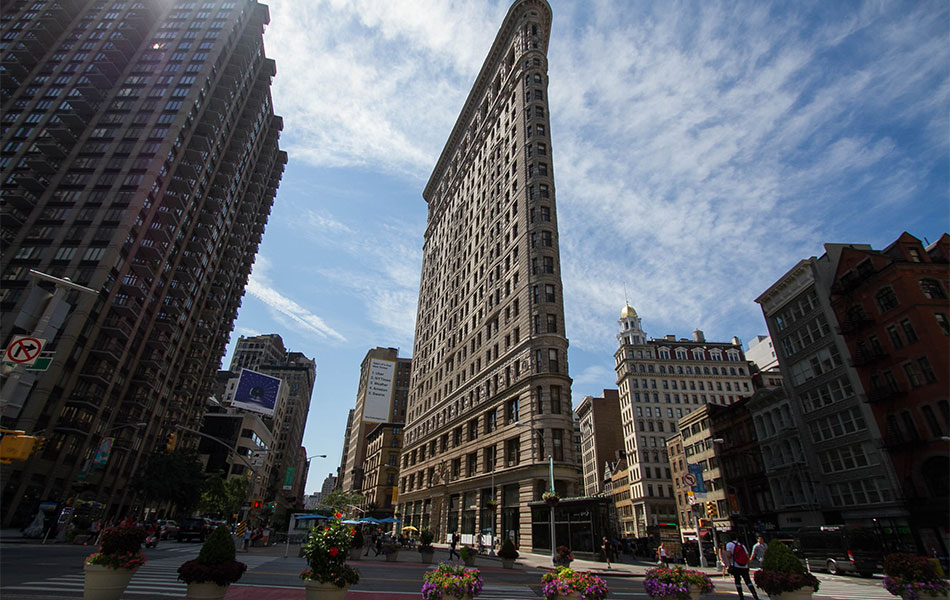
Empire State Building

Statue of Liberty & Ellis Island

9/11 Memorial & Museum

The 9/11 Museum is indoors and ticketed. It includes artifacts, personal stories, audio recordings, and exhibits that explain the events of the day in detail. The museum experience is more intense and takes longer.
Walk the Brooklyn Bridge

DUMBO Viewpoints
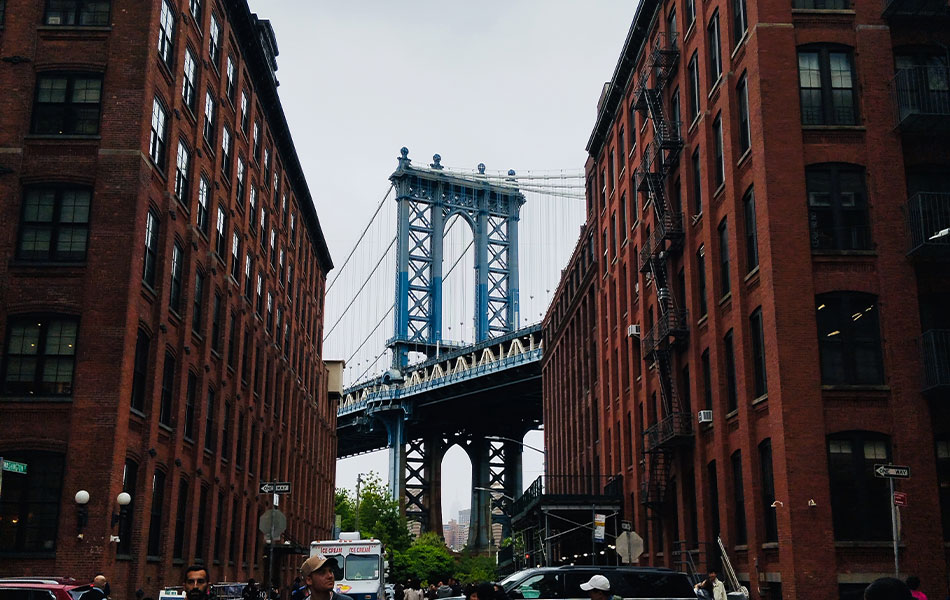
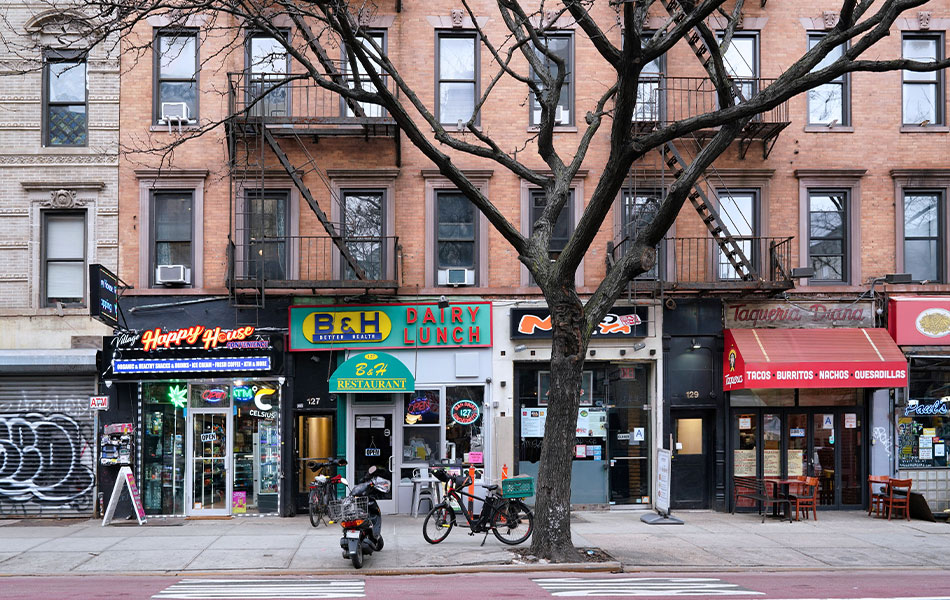
East Village
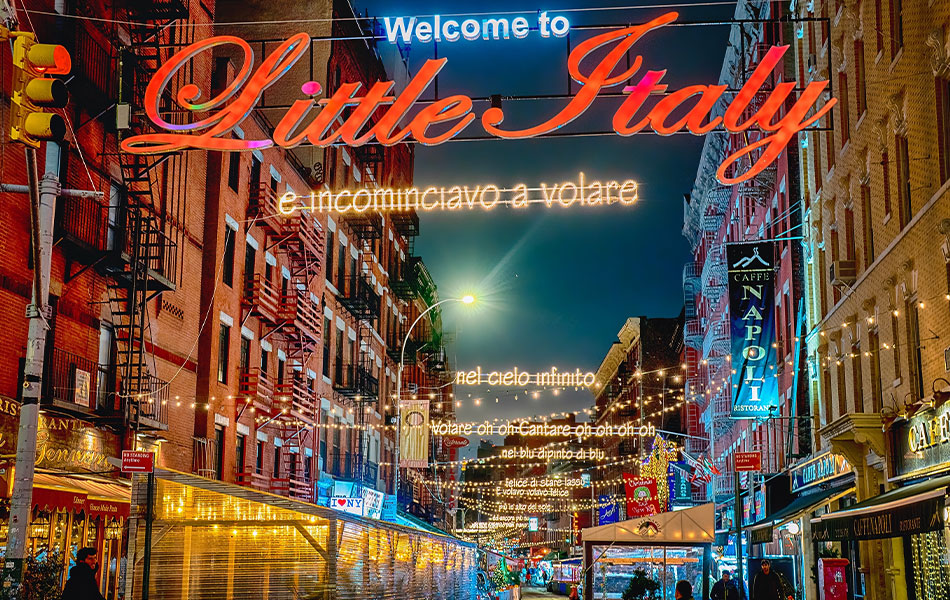
Chinatown & Little Italy
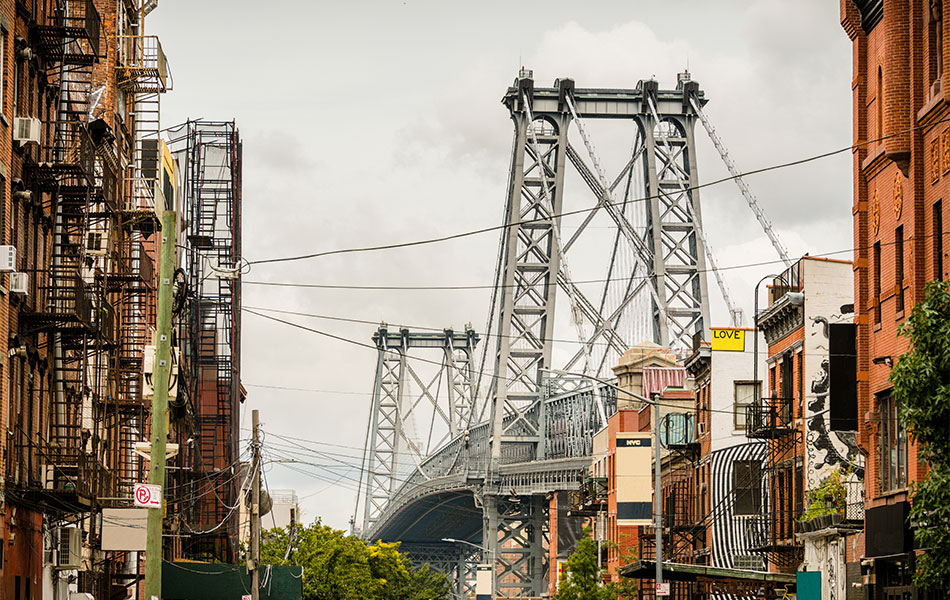
Williamsburg
The High Line

Little Island

Brooklyn Botanic Garden

Museums Worth Visiting on Your First Trip
New York City is home to some of the best museums in the world. You do not need to visit them all. Choose a few that match your interests and pace.
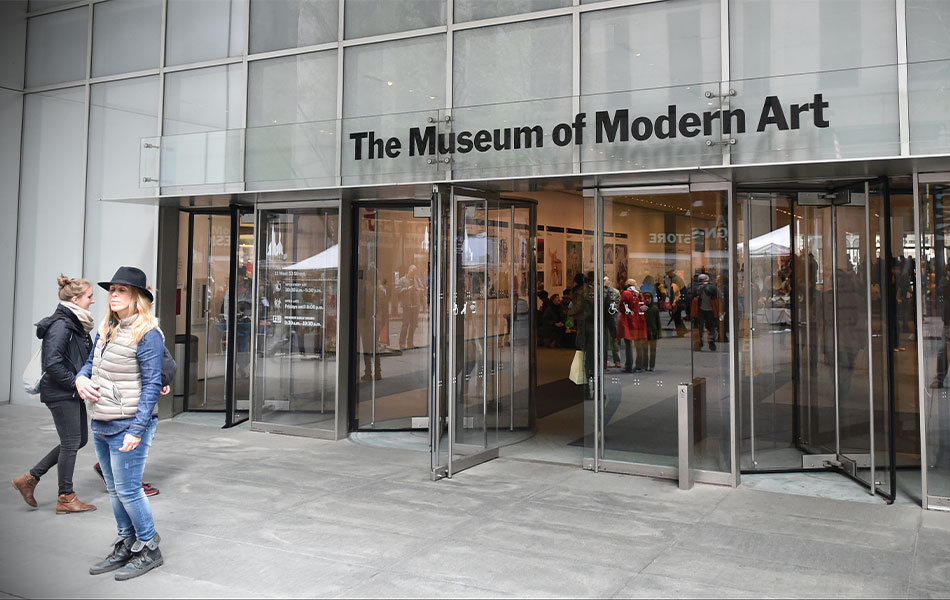
Museum of Modern Art (MoMA)
American Museum of Natural History

Guggenheim Museum
The Guggenheim is known for its unique spiral design. Even if you are not a big art fan, the building itself is worth seeing. The collection focuses on modern and impressionist art.
Food Every First-Time Visitor Should Try
New York City is one of the best food cities in the world. Trying local favorites is part of the experience. These foods are simple, iconic, and easy to find across the city.
Bagels
New York bagels are dense, chewy, and fresh. Try them with cream cheese or smoked salmon. They are a perfect breakfast or quick lunch.
Pizza by the Slice
New York–style pizza is thin, wide, and folded when you eat it. Slice shops are everywhere and affordable. It is ideal for eating on the go.
Hot Dogs
Street carts sell hot dogs all over the city. They are quick, cheap, and classic. Add mustard or sauerkraut for a true NYC feel.
Pastrami Sandwiches
Pastrami sandwiches are thick, salty, and filling. They are a deli staple and a must-try for first-timers.
Blueberry Pancakes
These fluffy pancakes are a popular American breakfast. They are usually served with butter and maple syrup. Expect large portions.
Where to Eat in New York in Winter
Chelsea Market
Chelsea Market is a large indoor food hall. It is perfect for trying different foods in one place. It also works well on rainy days.
Joe’s Pizza
Joe’s Pizza is one of the most famous slice spots in New York. It is simple, fast, and consistently good.
Xi’an Famous Foods
This spot is known for hand-pulled noodles and bold flavors. It offers something different from typical tourist food.
Los Tacos No.1
Los Tacos No.1 serves some of the best tacos in the city. The food is fresh, quick, and affordable.
Iconic Bakeries
New York has many famous bakeries. Try pastries, cookies, or classic desserts while exploring neighborhoods.
Taste your way through Chinatown and Little Italy with five iconic NYC bites.Shopping in New York City
Shopping is a big part of the New York City experience. From luxury brands to vintage finds, the city offers something for every style and budget.
SoHo & Nolita
SoHo is one of the most popular shopping areas in New York. You will find fashion brands, designer stores, and unique boutiques. The cast-iron buildings also make this area great for walking.
Nolita is smaller and more relaxed. It is known for independent shops and stylish cafés.
5th Avenue & Madison Avenue
5th Avenue is famous for luxury shopping. Many global brands have flagship stores here.
Madison Avenue, on the Upper East Side, also offers high-end boutiques in a quieter setting.
Macy’s Herald Square
Macy’s at Herald Square is one of the largest department stores in the world. It has multiple floors of clothing, accessories, and home goods.
Oculus & Brookfield Place
The Oculus is both a shopping center and an architectural landmark. It is impressive to see, even if you do not shop.\ Brookfield Place is nearby and focuses more on luxury brands. It also offers waterfront views and dining.
Vintage Shopping Spots
For vintage and thrift shopping, head to the East Village and Williamsburg. These areas are known for second-hand clothing, unique pieces, and local designers.
Frequently Asked Questions
Is New York safe for tourists?
Yes. New York City is generally safe for tourists, especially in popular areas like Midtown, Times Square, and major attractions. Like any big city, stay aware of your surroundings. Keep valuables secure and avoid empty streets late at night.
Is NYC expensive for first-timers?
It can be, but it doesn’t have to be. Hotels and attractions are costly, but food options range from budget to luxury. Free attractions, walking tours, and museum free days help control costs. Planning ahead makes a big difference.
Is the New York City Pass worth it?
Yes, for many first-time visitors. If you plan to visit multiple attractions, a city pass can save money and time. It works best when your itinerary includes major sights like observation decks and museums.
Final Thoughts
New York rewards first-time visitors who plan smart and stay curious. You won’t see everything, and that’s the point. Focus on a few neighborhoods, mix iconic sights with slow walks, and leave room for the city to surprise you. From skyline views and historic landmarks to food on every corner, New York for first-time visitors is intense, inspiring, and unforgettable. Plan well, pace yourself, and enjoy the energy of the Big Apple—your first trip won’t be your last.


