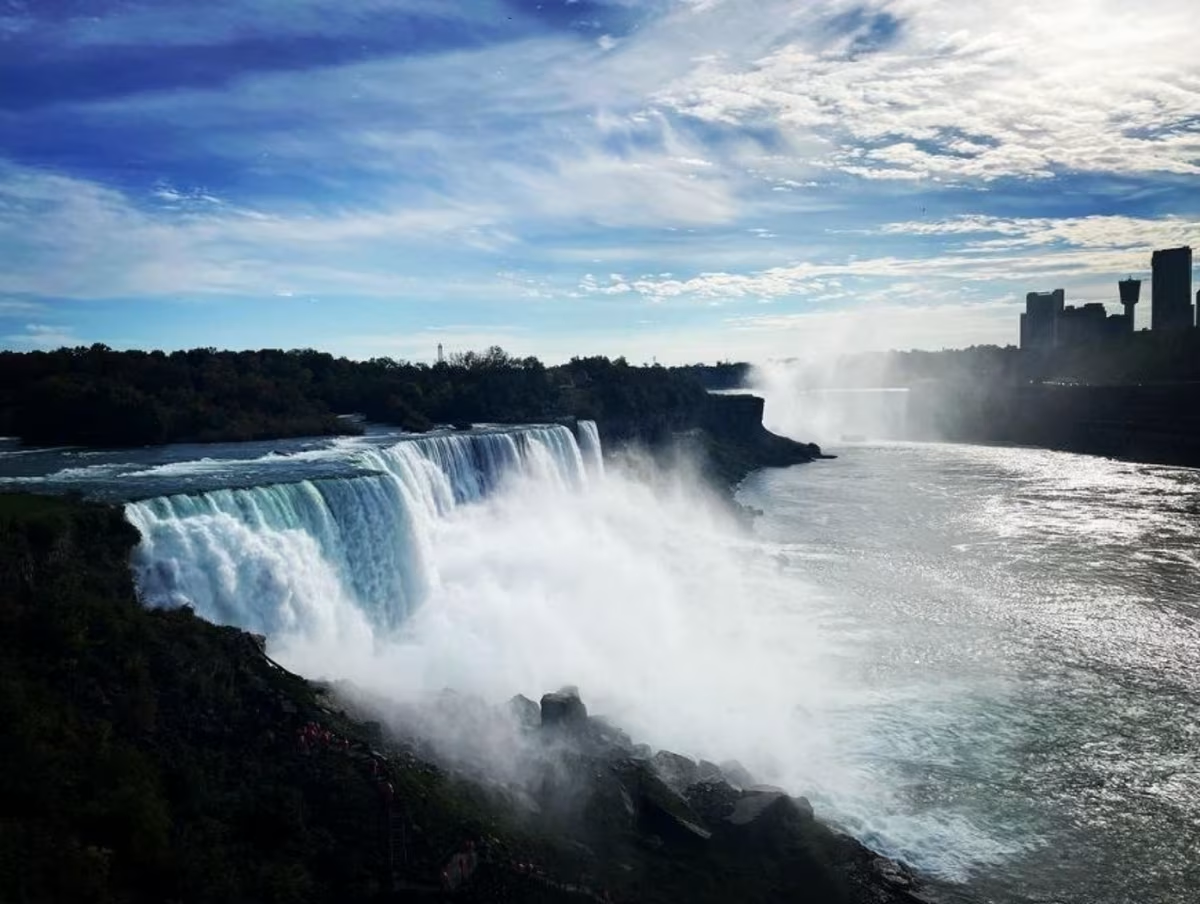




For locals, spring isn’t an event. It’s a sequence.
Cherry blossoms Niagara locals wait for each year begin blooming near the Botanical Gardens.
Lilacs in full bloom beside the Floral Clock.
A soft green canopy returning to Queenston Heights.
Magnolia trees transforming the green spaces around the Falls.
If you’re building a Niagara spring travel guide, the key to experiencing Niagara Falls in spring is timing and pacing. This season doesn’t demand urgency the way summer does. It invites wandering. It rewards detours. It’s about noticing what’s changed since winter — and knowing where the region blooms first.
Here’s how to experience Niagara in bloom the way locals do.
The Niagara Parkway: The Spine of Spring
The Niagara Parkway is the thread that ties the region together.
Stretching alongside the Niagara River, this scenic drive (or cycling route, if you want to feel the air fully) becomes especially beautiful in spring. The trees begin to green overhead, tulip beds fill in, and the river — fed by melting snow upstream — runs a vivid, electric blue.
Drive it slowly. Walk sections of it. Stop without rushing.
In spring, the Parkway feels less like a connector between attractions and more like the attraction itself.
You’ll pass small lookout points, early-blooming flower beds, and stretches where the only sound is wind moving through new leaves. It’s one of the best Niagara Parkway spring scenery experiences you can have — especially on weekday mornings before peak tourist flow returns.

Niagara Botanical Gardens: The Heart of Bloom Season
In many ways, this is where visitors first experience Niagara gardens in bloom, with layered colors unfolding week by week.
Located along the Parkway just north of the Falls, the gardens shift weekly as different species come into bloom. These shifting displays are some of the earliest spring flowers in the Niagara region to fully emerge. The formal rose garden begins preparing for its summer peak. The grounds around the Niagara Parks School of Horticulture feel meticulously alive.This is one of the best places to visit in Niagara in spring if you want structured beauty — pathways, symmetry, curated planting.
Go mid-morning or late afternoon for softer light. Bring a camera, but don’t spend the entire time behind it. Sit on a bench and just notice how much is changing.
Spring here is incremental. That’s the charm.

The Floral Clock & Lilac Garden: Small but Iconic
A few minutes north along the Parkway sits the Floral Clock — one of Niagara’s quieter landmarks.
In spring, the flower beds are refreshed and vibrant. It’s a brief stop, yes, but paired with the nearby lilac garden when in bloom, it becomes something more atmospheric. Lilacs, when they hit their peak, scent the entire area. It’s one of those seasonal windows that locals track carefully.
Stops like this are among the simplest things to do in Niagara Falls in spring, especially when the lilacs reach peak bloom.
Queenston Heights: Where Spring Meets History
Queenston Heights brings elevation into the experience.Perched above the river, this park combines early greenery, open lawn space, and panoramic views stretching toward Lake Ontario. The Brock Monument stands tall against a sky that feels clearer this time of year.
In spring, the walking trails here feel especially restorative. The ground is firm again, but not yet dusty. Trees frame the river gorge below in pale green.
It’s one of the most underrated spring photography spots in Niagara, especially near sunset when the gorge fills with soft light.
McFarland House: Quiet Heritage in Bloom
McFarland House sits back from the Parkway like a preserved whisper of early Niagara.
In spring, the surrounding gardens soften its historic lines. The property feels calm — less trafficked than major attractions, more contemplative. If open during your visit, step inside for tea or a light lunch. The contrast between old stone walls and fresh seasonal growth outside is part of its appeal.
Spring amplifies heritage here. It feels lived in.

Old Town Niagara-on-the-Lake: Window Boxes & Wandering
Old Town Niagara-on-the-Lake doesn’t need dramatic scenery. It relies on detail.Window boxes begin to fill. Historic homes soften under climbing vines. Queen Street patios re-emerge after winter storage. The pace slows.
Spring is arguably the best time to explore here — before peak summer crowds, but after winter’s quiet. You can browse independently owned shops, sit with a coffee outdoors, and move without pressure.
It’s one of the most pleasant Niagara-on-the-Lake spring activities: simply walking.
The Orchards of Niagara-on-the-Lake: Blossom Season
Drive just beyond Old Town and you’ll reach open farmland — and, in spring, blossom season.
Apple and peach orchards bloom in pale pink and white rows that stretch across the horizon. The effect is subtle from the road but immersive if you pause safely and take it in.
Blossom timing varies each year, typically late April through mid-May. When it aligns, it’s one of the most beautiful seasonal scenes in the region.
This is where Niagara feels expansive.

Magnolia Allée: A Brief, Beautiful Window
Tucked within the grounds of the Niagara Parks Floral Showhouse, Magnolia Allée is one of spring’s most fleeting displays. For a short stretch — typically late April into early May — the magnolia trees bloom in soft pinks and whites, arching gently over the pathway in a way that feels almost cinematic.The petals are delicate, and their timing is precise; a strong rain or wind can shorten the show. That’s part of the magic. Locals watch bloom reports carefully because this corridor doesn’t last. When it peaks, though, it becomes one of the most beautiful and photogenic spring corners in the entire region — quiet, fragrant, and unmistakably seasonal.
Seeing Spring With Context
If you’re only in town briefly, structured local tours can help connect these pockets into a cohesive experience. Small-group guided tours through Niagara Falls and Niagara-on-the-Lake often include stretches of the Parkway, historic stops like Queenston Heights, and time in Old Town — allowing you to see multiple bloom points without planning every turn yourself.
See Sight Tours offers award-winning small-group experiences designed to balance efficiency with depth. In spring, that means less rushing, more stopping, and guides who understand where the season is peaking that week. Because bloom season changes quickly here. And locals know where to look.
Why Spring Is Niagara’s Best-Kept Season
Summer gets the headlines. Autumn gets the wine. Winter gets the drama. But spring gets the transformation. It’s the only season where you can physically see the region wake up — from the first tulip beds near the Botanical Gardens to orchard blossoms in Niagara-on-the-Lake to lilacs near the Floral Clock.
If you follow the Parkway slowly, stop often, and let the region unfold rather than checklist itself, you’ll experience Niagara in bloom the way locals do: Not as a spectacle, but as a return.