


If you want to get to know the real Miami, start early. Go before the beach crowds, the brunch lines, and especially the traffic. Before the sun gets high, a café owner in Little Havana flips on the lights and fills the block with the smell of strong cafecito. In Wynwood, someone’s already painting, headphones in, half a mural still waiting.
Over in Allapattah, a shopkeeper stacks crates of fruit – plantains one way, mangoes the other – while a speaker bumps the first bachata beat of the day. It’s raw, rhythmic, real – and worth setting the earlier alarm for.
Read on as we cut through Miami’s stereotypes and focus on the neighborhood streets where everyday culture is alive and unfiltered. The places where people live, create, gather, and shape the city’s identity. Miami’s reputation is built on oceanside aesthetics -- bright neon lights, beachside luxury, Instagram-worthy scenery.
But the city’s cultural backbone lies inland, in hidden Miami neighborhoods that rarely appear on visitor itineraries. Decades of migration -- from Cuba, Haiti, the Dominican Republic, Central America, Colombia, the Bahamas, and beyond -- have created a city defined by movement and reinvention.
Each neighborhood holds a different version of Miami, often just steps apart. Walk it, and you’ll see how Miami street culture isn’t curated here — it’s lived. Think of this as a Miami culture guide built from sidewalks, storefronts, and conversations rather than checklists.
1. Little Havana: Beyond the Tourist Track
Sure, Calle Ocho draws crowds -- and if you’ve never been, you probably still know it from Pitbull, (dalé). But the real Little Havana lives in the side streets, where daily routines haven’t changed in years. Domino Park wakes up first. The covered tables fill fast with longtime regulars and fierce competitors. These aren’t casual games -- they’re all strategy and pride. Conversations bounce between politics, baseball, and neighborhood gossip.
Experience Little Havana through its food, stories, and streets. Move outward and things get quieter. You’ll pass fruit stands with handwritten signs, murals and plaques that celebrate Cuban icons, and ventanitas where locals grab their cafecitos without breaking their stride. Any time of day, there’s something worth stopping for -- a snack, a sip, a spot you’ll want to return to. From fruiterías and bakeries to cigar shops and corner cafés, there’s genuinely something for everyone here. These everyday stops — cafés, fruit stands, bakeries, and parks — are Miami local hotspots long before they’re ever tourist stops.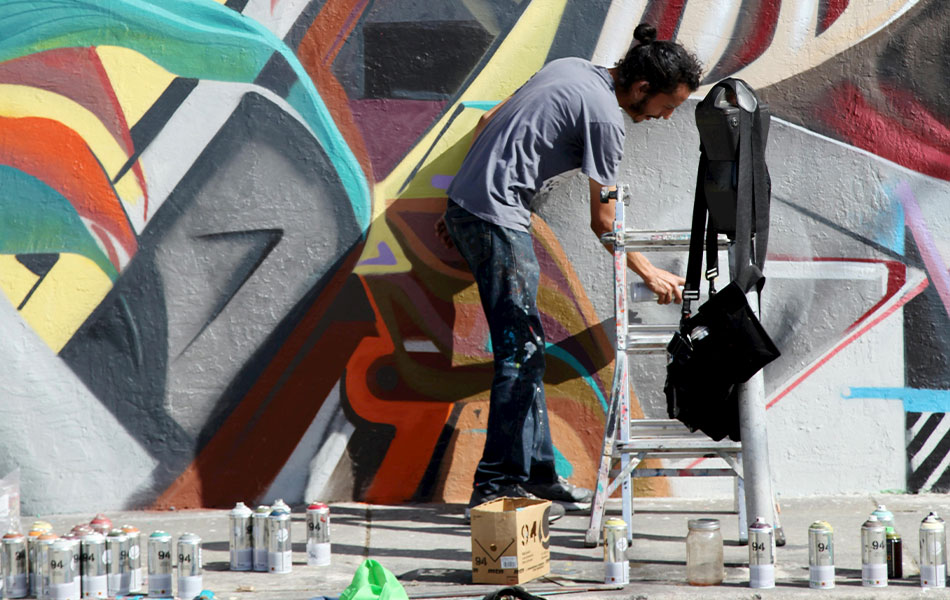
2. Wynwood After the Crowds Leave
Wynwood’s walls get most of the attention, and fair enough, they’re impressive. But step past the clusters of selfie sticks and the district shifts quickly. Early mornings reveal Wynwood in its original form: industrial, scrappy, and always in progress. Artists roll up metal doors, drag materials onto the sidewalk, or rinsing last night’s paint off their tools.
Inside converted warehouses, people are welding, sanding, sketching, editing – constant motion behind quiet facades. Just east, the Miami Design District shows a different side of creative expression — polished, luxury-driven, and tightly curated — a sharp contrast to Wynwood’s working grit.
Keep walking and the polished veneer drops away. Old factories sit beside shipping containers turned into bars and galleries. Some murals fade in the sun; others are painted over without fanfare. Wynwood isn’t static – it’s a neighborhood mid-transformation, every single day. What you’re seeing here isn’t entertainment — it’s one of the most authentic local Miami experiences you can still stumble into.
See Wynwood Walls with us.3. Allapattah: The City’s Caribbean Crossroads
A hub of Michelin-starred restaurants, bustling markets, museums, and layered cultures, Allapattah is anything but quiet. The neighborhood moves to the rhythm of its Caribbean and Central American communities, and the energy is constant. Market streets stay active from morning to night, where vendors stack crates of produce – green plantains beside ripe papayas, mountains of limes next to split coconuts.
Dominican bakeries line their cases with warm pastelitos; Haitian kitchens scent the blocks with fried pork and spices. Botanicas stocked with candles and herbal remedies sit next to barbershops where debates switch languages mid-sentence. It’s loud, lively, and unapologetically local.
Walk these blocks and you’ll see why Allapattah matters: it’s one of Miami’s most culturally diverse neighborhoods – and it doesn’t perform for visitors. If you traced these neighborhoods on a Miami Cultural Streets Map, you’d see culture cluster not around attractions, but around daily life.
4. Art Deco District: Miami’s Most Photographed Time Capsule
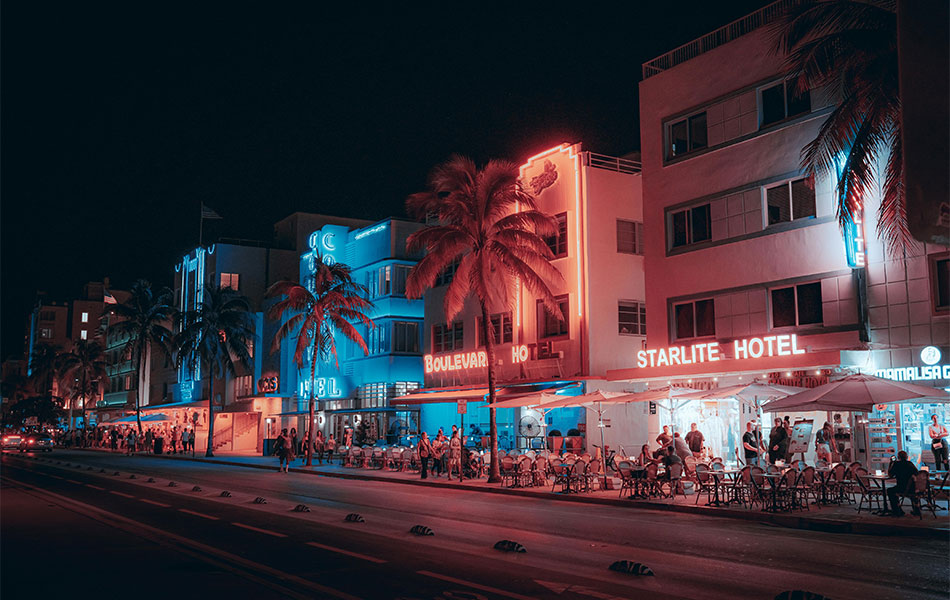
Long before it became the backdrop for one of the ’80s’ most recognizable cultural touchstones, the Art Deco District was a bold experiment – an entire neighborhood built from pastel geometry, neon glow, and sleek nautical lines. Now celebrating its 100th anniversary, its personality still lives in the details: porthole windows, terrazzo floors, chrome railings, and sunburst motifs repeating block after block. In contrast, Flagler Street Miami tells an older downtown story — one of transit, trade, and the city’s earliest commercial pulse.
Walk Collins or Ocean Drive Miami early and the architecture feels suspended in time, like a film set waiting for the day to start. Come back after dark and the strip flips the switch – the neon hums, the colors sharpen, and the bar scene takes over. As the most famous street in Miami Beach, Ocean Drive balances historic preservation with nonstop visibility. Just inland, Lincoln Road Miami offers a pedestrian counterpoint — open-air, social, and designed for lingering rather than posing.
But the neighborhood isn’t running on nostalgia alone. New hotels, rooftop bars, and galleries keep it evolving, creating a striking contrast: restored 1930s façades beside contemporary design; classic neon signs glowing above trend-forward restaurants. The Art Deco District is shaping its next century in real time – preserved, but anything but stagnant.
5. Biscayne Bay: Miami’s Front-Row View of Itself
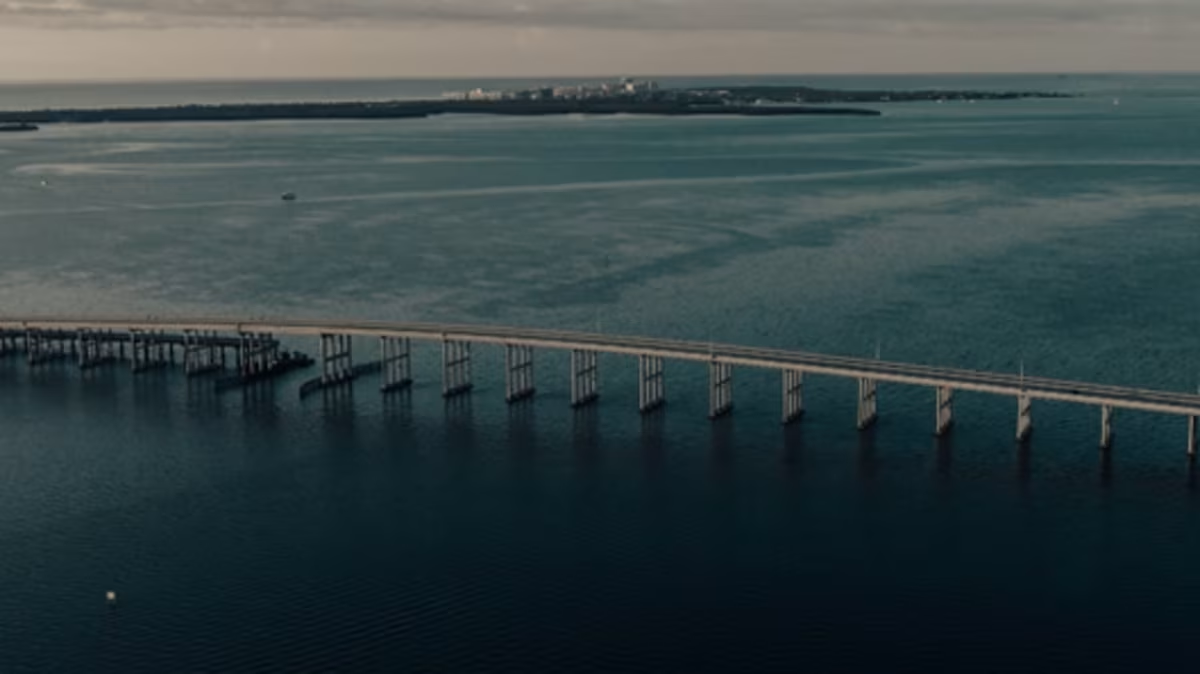
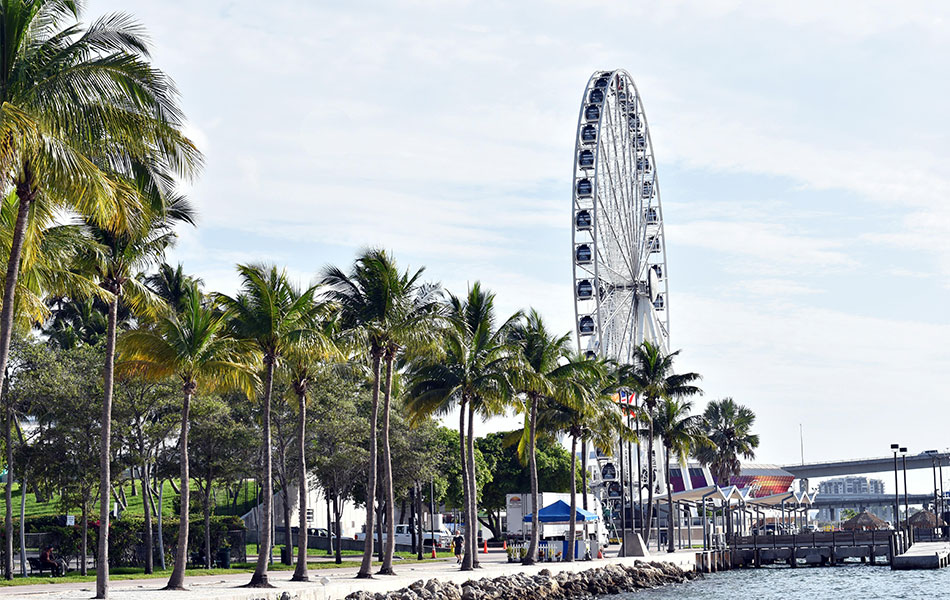
Biscayne Bay hits you with space, light, and horizon the moment you reach the water. The skyline stretches across the edge like a jagged mural. Boats cut across the surface from sunrise to dusk. Pelicans skim low, and the wind carries a mix of salt, fuel, and the faint echo of music from passing party pontoons. The bay is Miami’s open-air gallery – its backdrop for paddleboarders, runners, fishermen, and anyone looking to step outside the noise.
Walk the waterfront paths and you’ll see neighborhoods change as you move: sleek Brickell towers giving way to museum lawns, marinas, mangroves, and pockets of quiet where the city feels far away. Cafés spill out toward the water with iced coffees, pastelitos, and people lingering in the shade. Kayakers drift past anchored sailboats. Waterfront parks fill with families, picnics, and kids chasing each other in the grass.
Biscayne Bay isn’t curated or controlled – it shifts with the tides, the weather, and the people who show up. It’s one of the few places in Miami where the city feels both expansive and intimate, polished and wild at the same time. Taken together, these neighborhoods form a Miami walking guide rooted in rhythm, routine, and real life.
Don’t miss the skyline lit up - join us for the Scenic Miami Night Tour.If You Walk These Streets…
A different Miami comes into focus. One that isn’t built around beaches or bottle service.
You see:
- the local networks that keep neighborhoods running
- the family-owned businesses that survive every trend cycle
- the artists who shape the visual identity of the city
- the Caribbean and Latin American influences that define Miami more than any skyline
- the neighborhood pride that pulls people back, even when the city changes fast
These streets aren’t curated for visitors. They’re built for the people who live here - and that’s exactly what makes them interesting.
Closing Reflection
Walking Miami’s cultural streets is the quickest way to understand what this city actually is: a network of communities, each with its own personality, priorities, and pace. Miami isn’t one story – it’s dozens. And they unfold block by block, not on the beachfront. This is Miami travel culture at its most honest — shaped by movement, memory, and community rather than trends.
If you want to get to know the real city, step off the main roads and into the places where culture is made every day. Get curious, stay observant, and follow the details that don’t show up in guidebooks.
For travelers who want a deeper look – guided by locals who live these stories daily – our Miami tours are a great place to start. We explore Wynwood’s working studios, Little Havana’s everyday rhythms, the Art Deco icons of South Beach, and the breezy shoreline of Biscayne Bay, where the city’s skyline and cultural roots meet. Small groups, real insights, and neighborhoods that come alive when you know where to look.The stories aren’t hiding – you just have to walk to find them.