



Fort Lauderdale has a reputation problem — and it’s not entirely fair. For many travelers, the city exists as a shortcut to the beach, a cruise port stop, or a blur of sunshine and palm trees on the way somewhere else. But spend time here during the cooler months, when the air softens and the pace slows, and a different version of Fort Lauderdale reveals itself.
This is a city shaped by water in quiet, intimate ways. Not just oceanfront views, but canals that slip behind homes, shaded riverwalks where locals walk dogs and linger with coffee, and residential neighborhoods where boats idle slowly instead of roaring past.
The cool season — roughly late fall through early spring — is widely considered the best time to visit Fort Lauderdale, especially for travelers drawn to Fort Lauderdale winter travel and slower, more walkable experiences. The humidity eases. The sidewalks invite you to meander them. And the best way to experience Fort Lauderdale Waterfront Neighborhoods isn’t by rushing between highlights, but by strolling slowly and letting the scenery set the tempo.
Discover Fort Lauderdale beyond the beach with a guide who knows its waterfront communities.Why the Cool Season Changes Everything
In summer, Fort Lauderdale can feel relentless. Heat, humidity, and sudden storms push activity indoors or straight to the beach. But when winter arrives, the city breathes out.
Temperatures hover in the low to mid-20s Celsius. Evenings are crisp enough for long walks. Mornings feel made for wandering with nowhere specific to be. This is when locals reclaim their neighborhoods — walking along the water, sitting on shaded benches, biking without urgency. For visitors, it’s the perfect moment to slow down and see Fort Lauderdale not as a resort, but as a lived-in waterfront city. Many of the best things to do in Fort Lauderdale in winter involve simple pleasures: long waterfront walks, canal-side neighborhoods, and lingering outdoors without heat dictating the day.
Riverwalk: The City’s Everyday Waterfront
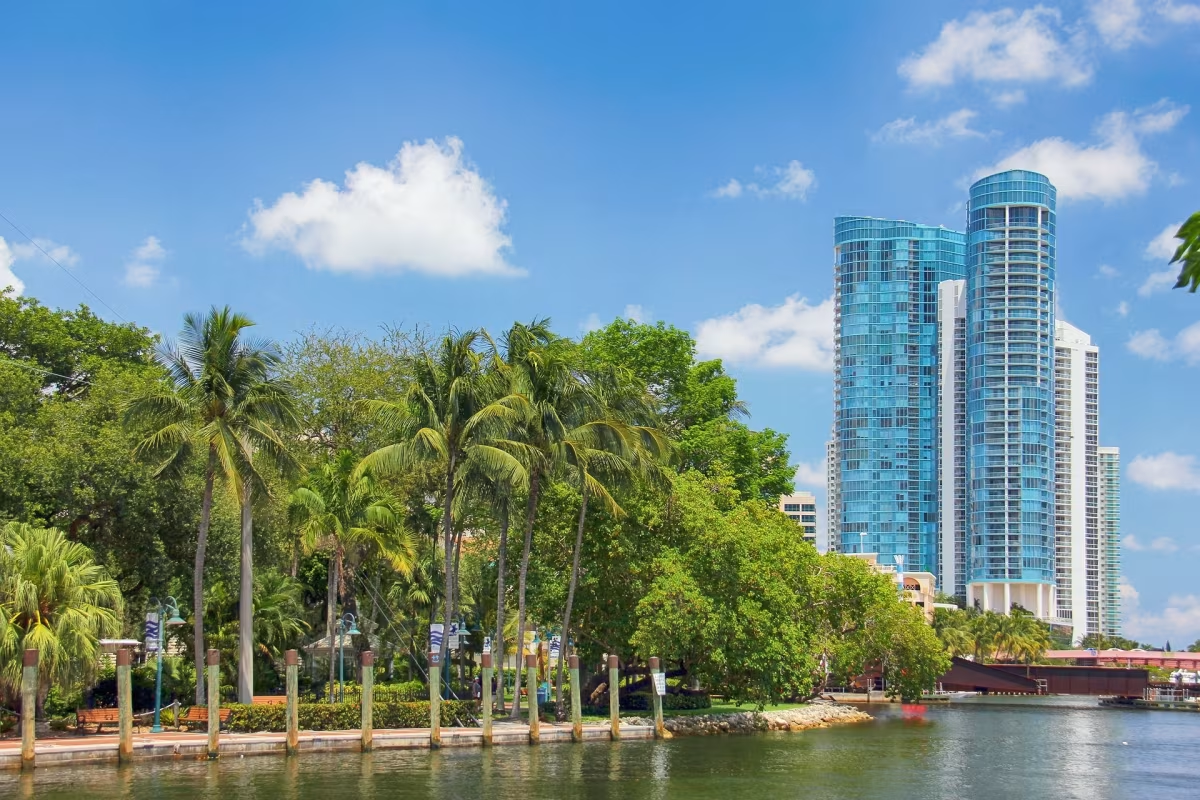
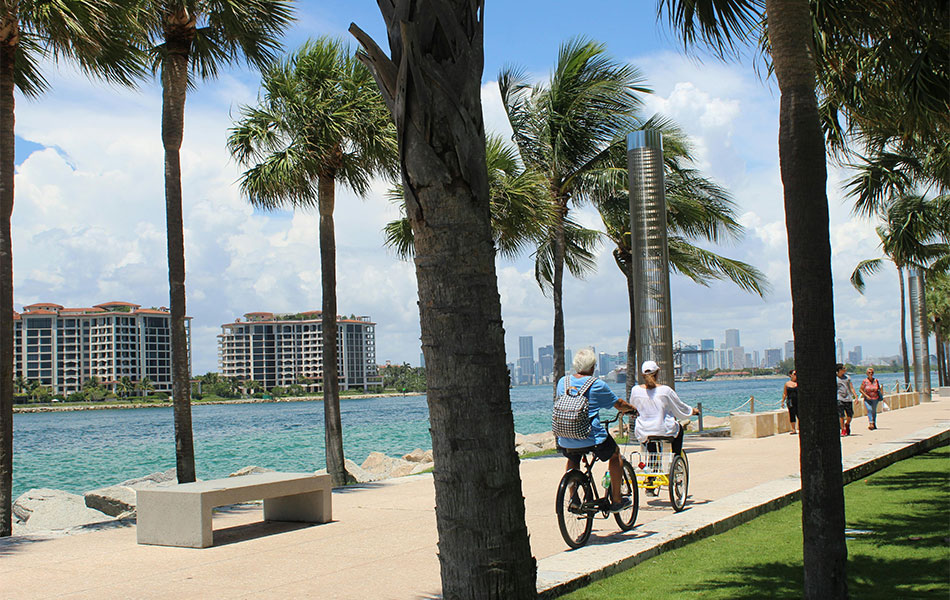
If Fort Lauderdale has a communal living room, it’s Riverwalk Fort Lauderdale. Stretching along the New River, this pedestrian-friendly area doesn’t try to impress you — and that’s exactly why it works. You’ll pass museums, cafés, marinas, and pockets of green space, but what stands out most is how natural this area feels as one of the city’s most loved Fort Lauderdale waterfront walking areas and riverfront neighborhoods. Office workers eat lunch on benches. Couples walk hand in hand at sunset. Boats glide past at a respectful pace.
In the cool season, the Riverwalk becomes a ritual. Locals return again and again, often without a plan. Start near Esplanade Park, walk as far as feels right, then turn back when the light changes.
There’s no need to rush. The appeal is in the rhythm: footsteps, water, conversation, pause.
Las Olas Isles: Where Water Becomes the View
Just off the energy of Las Olas Boulevard, Las Olas Isles is one of the best neighborhoods in Fort Lauderdale for slow exploration and canal-side wandering. Here, quiet residential streets are shaped by Fort Lauderdale canals and waterways, lined with boats, docks, and homes designed around water first and everything else second. Palm trees lean inward. Reflections ripple across the surface. The noise drops instantly.
This is one of Fort Lauderdale’s best neighborhoods for slow strolling. There’s no formal path — just sidewalks that invite wandering. Every turn offers a slightly different angle of the water, a different boat, a different moment of stillness.
The Isles are especially peaceful in the cooler season. Windows are favoured over A/C. The breeze moves easily. It’s the kind of place that reminds you that travel doesn’t always need a destination — sometimes it just needs time.
Victoria Park: Local Life, Subtly Waterfront
Victoria Park doesn’t announce itself as a waterfront neighborhood, but water weaves through it quietly. Canals cut behind homes. Green spaces open toward the river. The streets feel residential, leafy, and unhurried — the kind of area where people actually live, not just visit.
Walking through Victoria Park in the cooler months highlights why it’s one of the most quietly walkable neighborhoods in Fort Lauderdale. You’ll see joggers heading out early, neighbors chatting on porches, and cyclists cutting through on their way downtown. It’s not polished or performative — it’s comfortable.
For visitors, Victoria Park offers a glimpse of everyday Fort Lauderdale. A place where the city’s connection to water feels natural, not curated. And more importantly, a third space for locals to greet one another with a friendly nod as they pass by on wheels, foot, or boat.
Join a small-group Fort Lauderdale experience shaped by water, not rush.Colee Hammock: Between River and Ocean
Nestled between downtown and the beach, Colee Hammock is one of Fort Lauderdale’s most walkable and quietly charming neighborhoods. Tree-lined streets, historic homes, and easy access to both riverfront and oceanfront paths make it ideal for unplanned wandering. In the cool season, this area comes alive in subtle ways — front doors open, patios fill, conversations linger longer.Colee Hammock feels balanced. Not too busy, not too quiet. Close to everything, but never overwhelmed by it. For travelers who want to stay central while still feeling relaxed, it’s one of the city’s most rewarding areas to explore on foot.
The Beachside Paths: Ocean Without the Rush
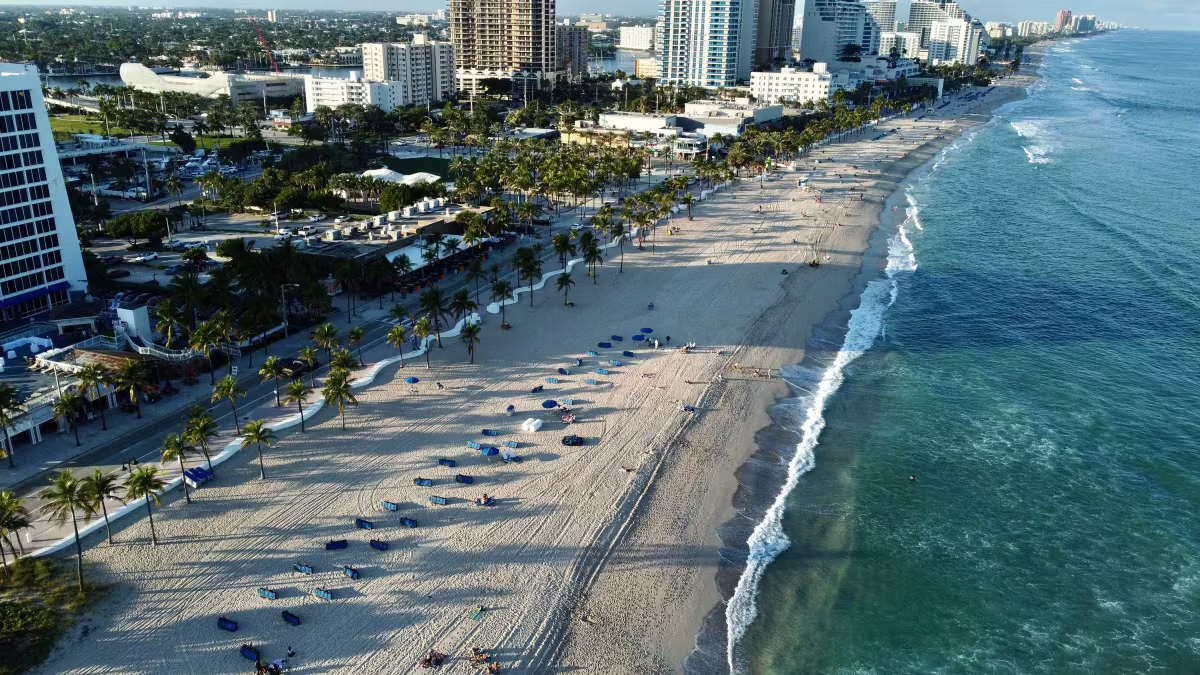
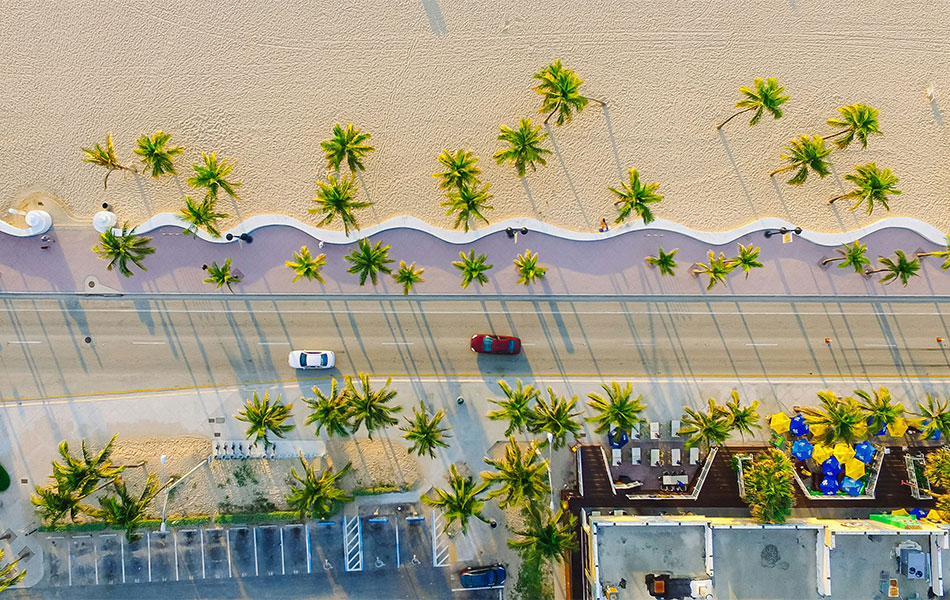
Fort Lauderdale’s beachfront is famous — but the experience changes dramatically in the cool season. Morning and evening walks along the beachside promenade feel almost meditative. The crowds thin. The sun sits lower. The sand stays cool even when the sun’s high. Locals walk dogs, ride bikes, or stop to watch the waves without urgency.
What makes these strolls special isn’t the beach itself — it’s the contrast. One moment you’re beside the open Atlantic, the next you’re ducking into a shaded side street or café. The city and the ocean exist side by side, without competition.

The Waterways That Connect It All
What ties Fort Lauderdale’s waterfront neighborhoods together isn’t just geography — it’s movement.
Boats drift instead of race. Walkers slow down naturally. The canals and river act like visual anchors, gently pulling attention away from screens and schedules.
In the cool season, this effect is amplified. Without heat dictating your pace, you notice more — reflections, sounds, conversations drifting across the water. Fort Lauderdale becomes less about doing and more about being.
How to Experience These Neighborhoods Well
If there’s one mistake visitors make, it’s trying to see too much too quickly.
Instead:
- Pick one or two neighborhoods per day
- Walk without headphones for part of the time
- Sit by the water, even if just for a few minutes
- Let daylight and temperature guide your pace
This is slow travel Fort Lauderdale style — less checking off sights, more letting the city reveal itself at its own pace. The more you resist the urge to optimize your time, the more the city opens up.
Why These Walks Stay With You
Long after the trip ends, people rarely remember exact routes or street names. What lingers is the feeling — cool Atlantic breezes, warm air without humidity, the sense of moving through a city that isn’t trying to rush you.
Fort Lauderdale’s waterfront walking areas offer that kind of lasting memory — shaped by water, movement, and unhurried time. Especially in the cool season, they invite you into a version of travel that’s calmer, quieter, and more human.

See Fort Lauderdale With a Local Perspective
Exploring Fort Lauderdale on your own is rewarding — but having local context can reveal layers you might otherwise miss.
See Sight Tours’ Fort Lauderdale experiences are led by knowledgeable local guides who know how the city shifts with the seasons and where its most walkable, scenic moments live. From riverfront paths to waterfront neighborhoods, their tours focus on rhythm, story, and place — not rushing between highlights.If you’re visiting during the cool season and want to experience Fort Lauderdale at its most relaxed and authentic, exploring with a local guide can turn a pleasant walk into a deeper connection with the city.