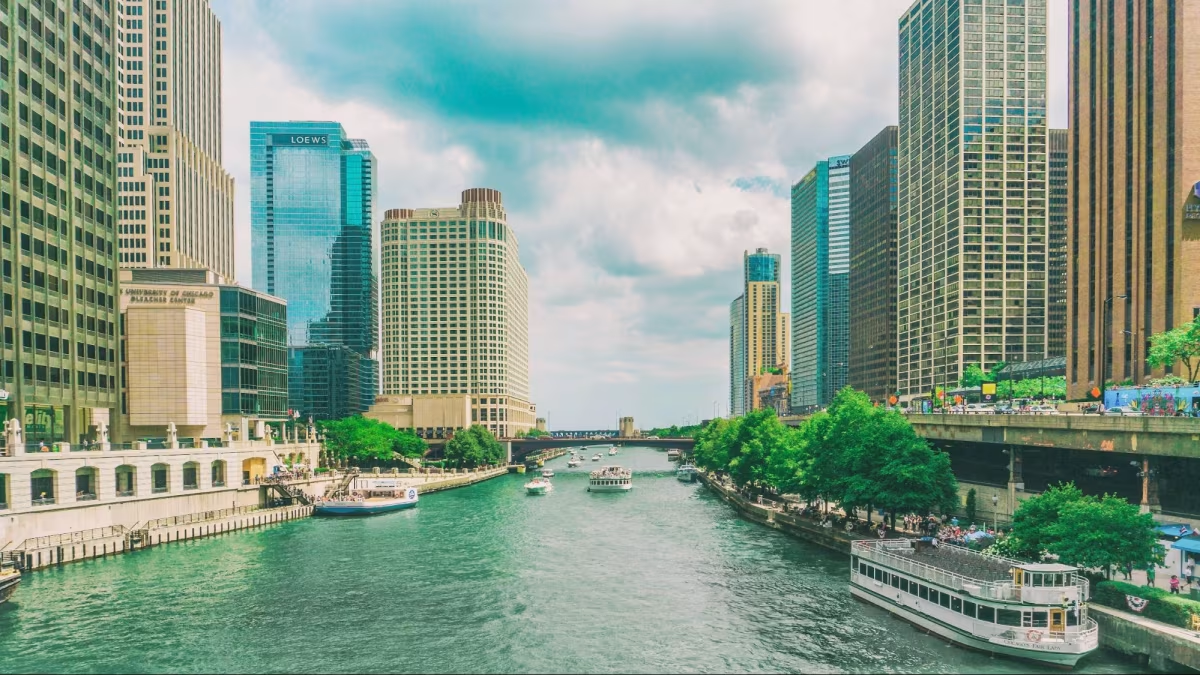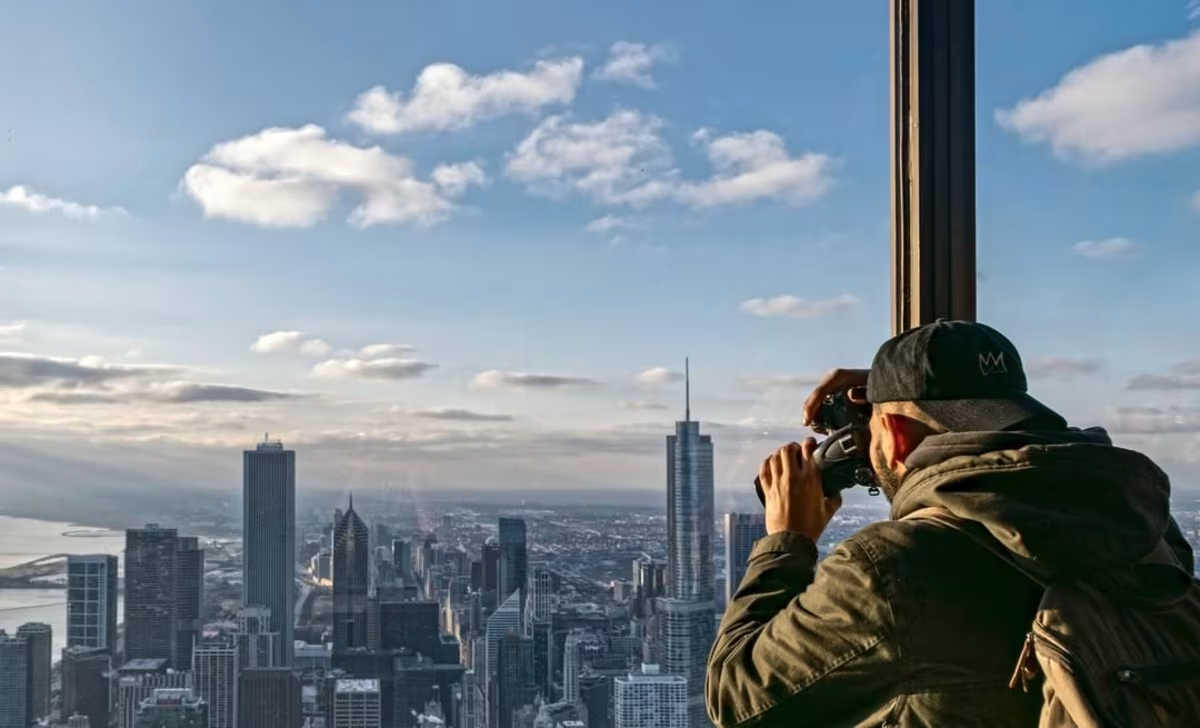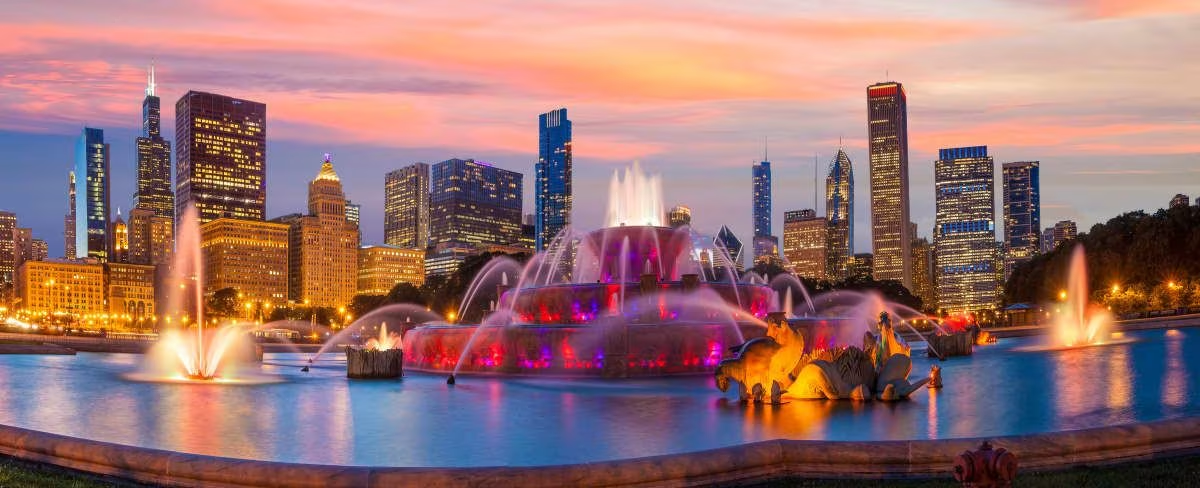


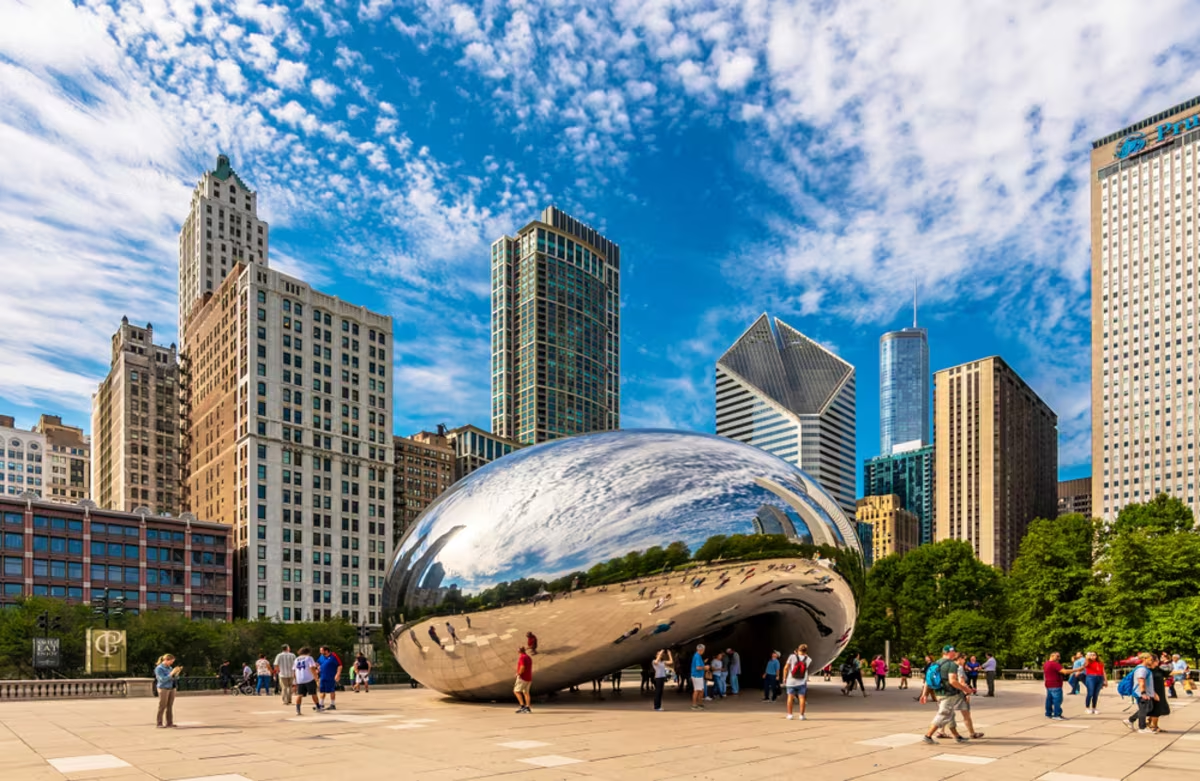


Chicago is known for going big — soaring towers, clean lines, bold statements etched into the skyline. Visitors look up, scan wide, and move on. Locals look closer. They notice what’s tucked between the icons, where history hides in materials, proportions, and details that don’t beg for attention.
These are the Chicago architecture hidden gems — buildings and moments that reward curiosity rather than spectacle. Not landmarks you rush toward, but places you stumble into while walking with no agenda.
Discover Chicago’s architecture through the details most people walk past.Chicago Cultural Center
Most people enter for the Tiffany dome, then leave. Locals linger. The staircases, corridors, and lesser-known rooms hold some of the city’s most thoughtful design — mosaic floors worn smooth, arched windows that frame light just right, and ceilings that quietly compete with anything downtown.
It’s one of those Chicago architectural gems hiding in plain sight, where the details tell the real story.
Monadnock Building
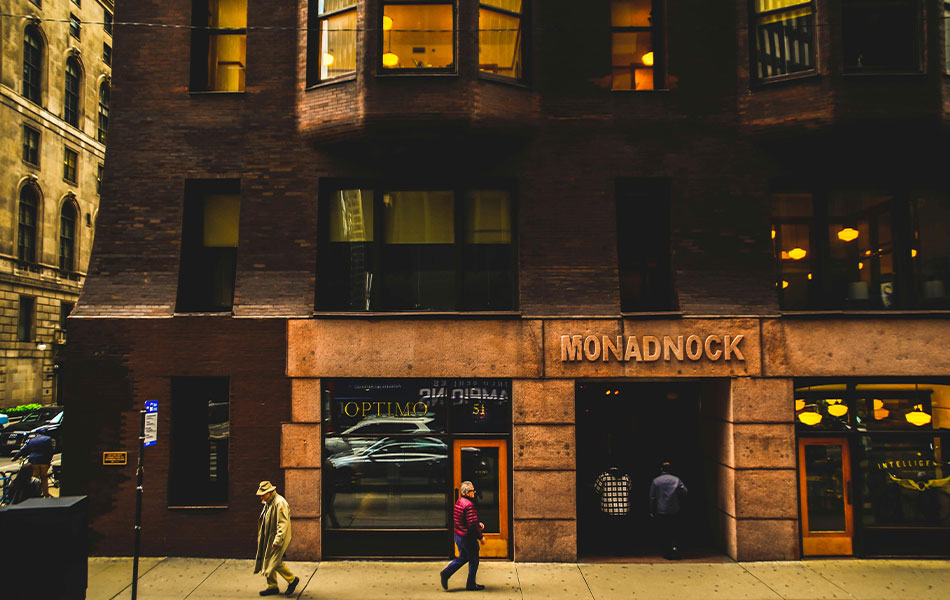
From the outside, it looks restrained — almost plain. Step closer and the Monadnock reveals itself as a turning point in architectural history. Massive brick walls taper subtly as they rise, a reminder of the moment Chicago was figuring out how to build upward.
This is Chicago design history you can feel in the structure itself — heavy, grounded, and quietly radical for its time.
Rookery Building
The Rookery rewards anyone willing to step off the street and inside. Its light court — redesigned by Frank Lloyd Wright — balances ornate ironwork with clean geometry, bridging old Chicago and the city it would become.
It’s one of those lesser-known Chicago buildings where the magic happens indoors, out of sight from the rush outside.
Explore the city’s skyline from street level with a guide who knows its hidden stories.Fine Arts Building
Still filled with working artists, musicians, and studios, the Fine Arts Building feels alive in a way many historic buildings don’t. The elevators creak, the hallways echo, and practice rooms hum behind closed doors.This is one of the Chicago historic buildings locals love — not preserved as a relic, but used exactly as intended.
Carbide & Carbon Building
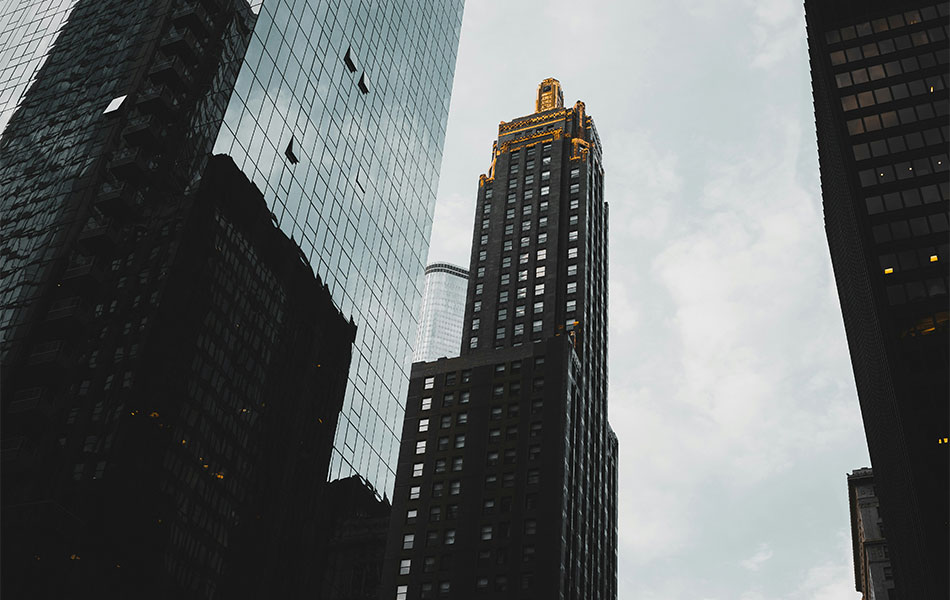
Overshadowed by glass giants nearby, this Art Deco masterpiece gleams when the light hits just right. Its dark green terra cotta and gold-leaf crown feel almost theatrical — a reminder that Chicago once embraced glamour as boldly as height.
It’s an easy miss, but one of the most striking examples of underrated Chicago architecture if you take the time to look up.
Old Post Office
For years it loomed quietly over the Eisenhower, massive and underused. Now revived, the Old Post Office still carries the weight of its original ambition — monumental scale, industrial confidence, and civic pride.
It’s a key chapter in Chicago skyline stories, linking the city’s working past to its constantly evolving present.
What Makes These Buildings Matter
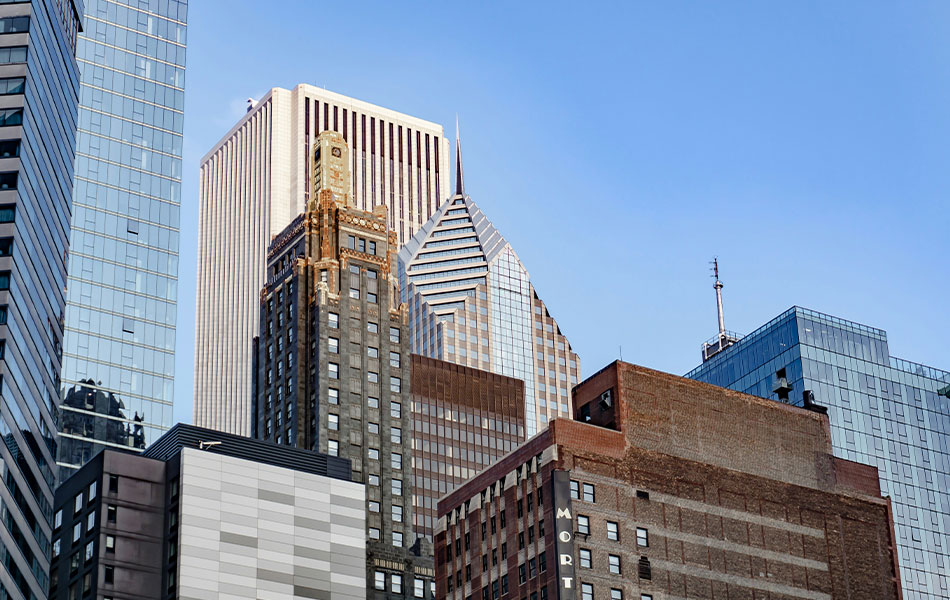
These pieces of hidden architecture in Chicago aren’t flashy because they don’t need to be. They’re meaningful because they’re embedded — in daily routines, commutes, and neighbourhood life.
They tell smaller stories: of experimentation, transition, and a city always testing what comes next. You don’t find them by chasing highlights. You find them by walking, pausing, and noticing.
Together, they form a network of Chicago design history hidden spots — places where experimentation quietly shaped the city we see today.
How to Experience Chicago's Architecture Like a Local
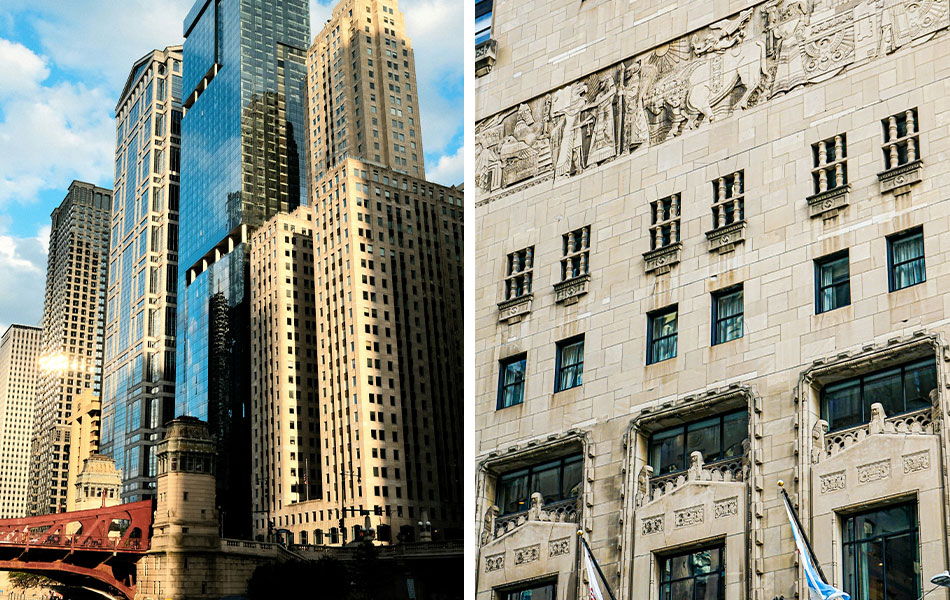
The best off-the-beaten-path Chicago architecture reveals itself slowly. Walk instead of riding. Step inside public buildings. Look at entrances, not just facades. Pay attention to materials at street level — stone, brick, iron — where the city meets its people. These small architectural details Chicago is known for often reveal more about the city’s values than its tallest towers.
Chicago’s design legacy isn’t just vertical. It’s layered, human-scale, and full of quiet brilliance. Approached this way, the city becomes an informal Chicago architectural walking guide — shaped by curiosity rather than checklists.
See Chicago Beyond the Skyline
If you want to understand Chicago’s architecture beyond its biggest names, guided experiences can help connect the dots — between buildings, eras, and the people who shaped them.
Our small-group Chicago tours focus on storytelling and local perspective, revealing the details most visitors miss and the context that brings them to life.Because in a city built on bold ideas, sometimes the most memorable architecture is the kind that doesn’t ask to be noticed — it just waits.