


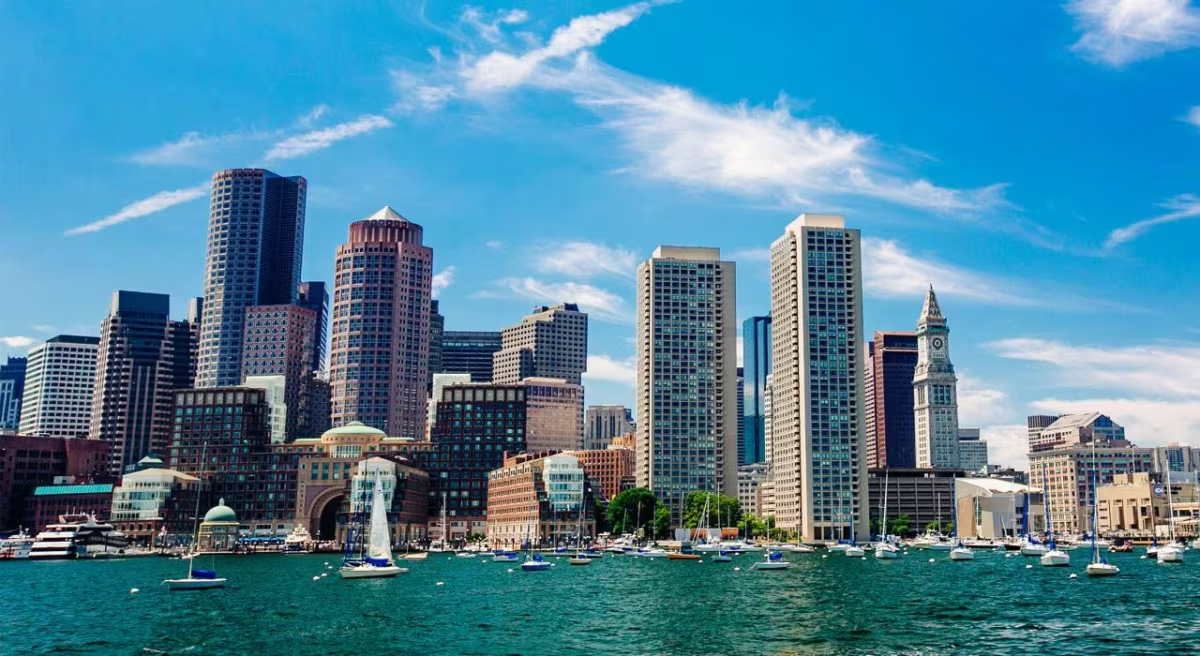
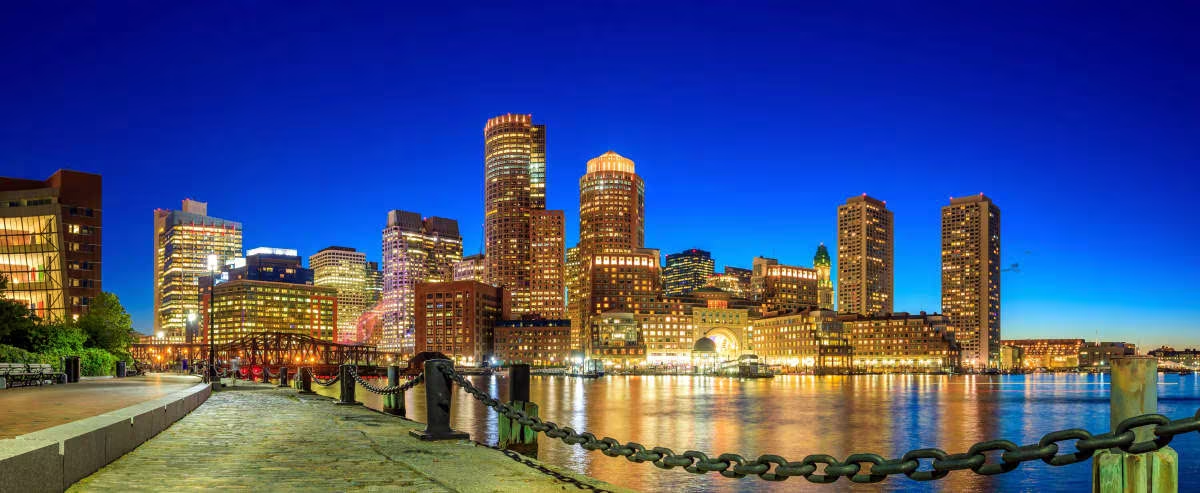

In Boston, seafood comes with opinions. Ask five locals where to eat it and you’ll get five answers – all delivered confidently, all followed by a qualifier. Only if it’s fresh. Only if they don’t overdo it. Only if you order it the right way.
This isn’t gatekeeping. It’s familiarity. Seafood here isn’t novelty food or celebration food. It’s everyday food that happens to be excellent – and treated accordingly. To eat like a local in Boston, you don’t start with a reservation. You start with understanding. This guide isn’t about tourist checklists — it’s about where Boston locals eat seafood when the craving hits and the standards are high.
Taste Boston seafood the local way — grounded, unfussy, and full of tradition.The Backbone of East Coast Seafood (Boston Edition)
Boston seafood — rooted in East Coast seafood cuisine — follows one core rule: don’t interfere. The best kitchens here understand that the job isn’t to improve the ingredient – it’s to step aside and let it speak.
That philosophy shows up across the classics:
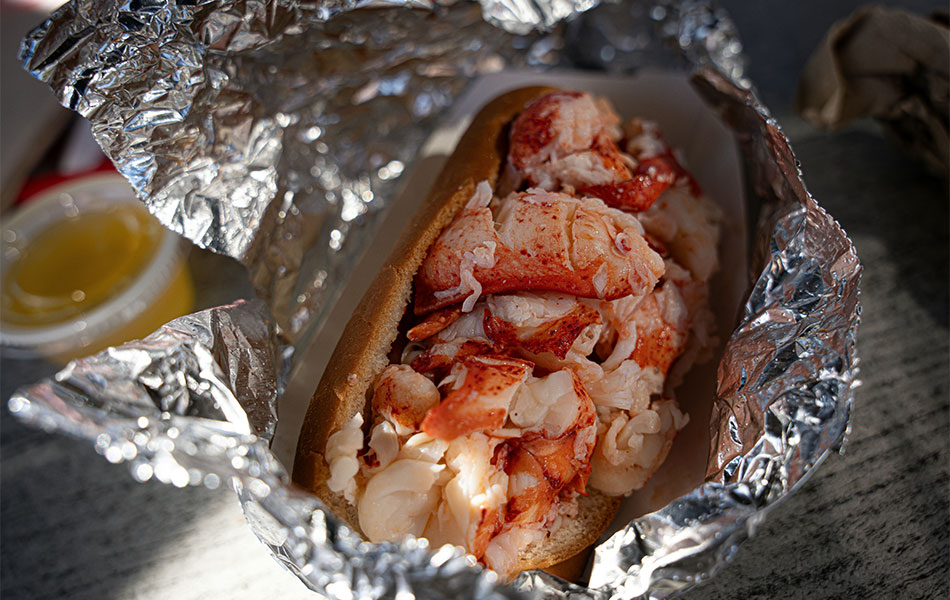
- Lobster rolls split the room immediately, and the debate is eternal.
- Cold (Maine-style): Chilled lobster, lightly dressed with mayo, tucked into a buttered split-top bun. The emphasis is on sweetness and texture – clean, restrained, precise.
- Hot (Connecticut-style): Warm lobster bathed in melted butter, no mayo in sight. Richer, messier, undeniably indulgent.
- Oysters in Boston are about origin, not garnish. East Coast oysters tend to be briny, sharp, and mineral-forward, shaped by colder waters and rocky shorelines. Menus list where they’re from – Wellfleet, Duxbury, Cape Cod – because place matters. The best oysters arrive bare or with little more than lemon or mignonette.
- The quahog clam New England kitchens rely on — large, sturdy, and unapologetically briny — anchors regional cooking. Chopped into chowder, baked into stuffies, or fried until crisp, they’re assertive and unapologetically oceanic. This is seafood tied to working docks and practical kitchens, not fine dining trends.
- Clam chowder in Boston is thick, pale, and serious about it. Milk or cream, potatoes, onions, and clams – no tomatoes, no theatrics. A good chowder should coat the spoon, not pour like soup. Locals don’t argue about whether chowder should exist; they argue about texture.
- Steamers (soft-shell clams) are eaten deliberately and with instructions. You pull the clam from the shell, rinse it in the broth, drag it through melted butter, and only then take the bite. It’s a hands-on ritual that hasn’t changed because it doesn’t need to.
- Haddock and cod are the backbone fish – especially when fried. Lightly battered, cooked hot, and served with minimal fuss, they show up everywhere from neighborhood pubs to fish counters. In Boston, good fried fish isn’t greasy or heavy; it’s crisp, clean, and dependable. Cod may be the icon, but haddock often wins the loyalty test. Scallops New England waters are known for — sweet, caramelized, and rarely overworked — appear seasonally on menus that understand when restraint matters most.
If it all feels simple, that’s because it is – and because it’s meant to be. Boston seafood isn’t about innovation or spectacle. It’s about judgment: knowing when to season, when to stop, and when to trust the water that brought it in.
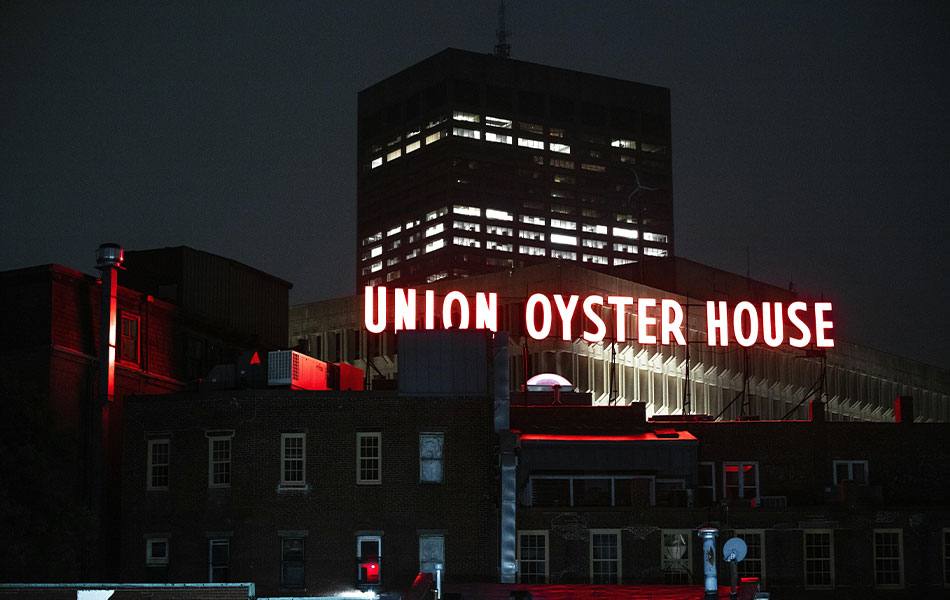
Union Oyster House: A No-Brainer
- Budget range: $$–$$$
- Must-try dish: Classic New England clam chowder or oysters on the half shell
- Why locals go: It's not about surprises — it’s about consistency. This is where you taste Boston the way it’s always been served.
The menu sticks close to what works: oysters shucked to order, clam chowder served without commentary, lobster that doesn’t need explanation. You don’t rush here, but you don’t linger for show either. It’s seafood as it’s always been in Boston – rooted, dependable, and confident enough not to chase trends.
James Hook & Co.: No Nonsense
- Budget range: $$
- Must-try dish: Cold Maine-style lobster roll
- Why locals go: Zero explanation required. Order, eat, move on — confident seafood that doesn’t slow you down.
You eat outside standing up or nearby, usually with boats idling in the background and traffic humming past. You don’t linger. You don’t need to. It’s seafood that assumes you know what you’re doing.
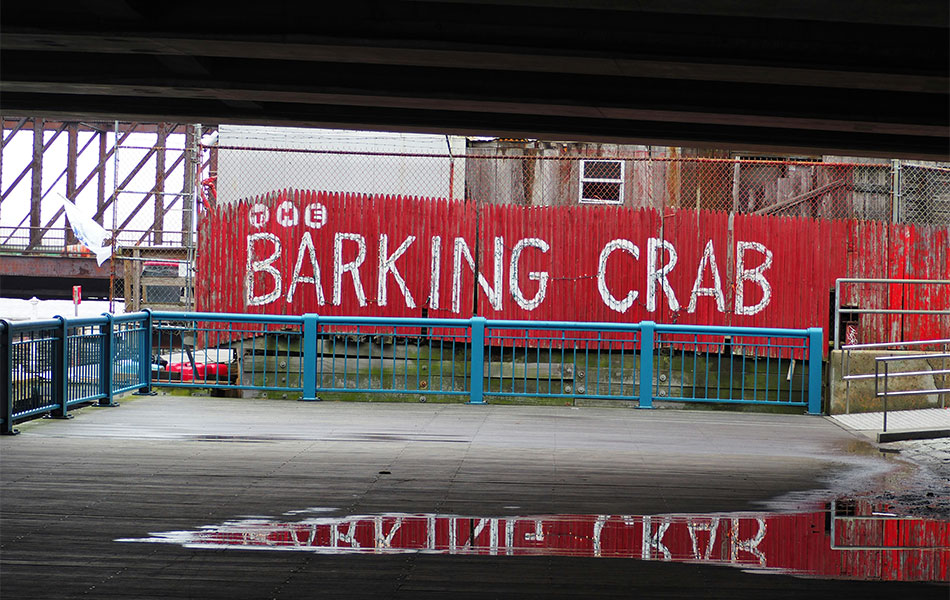
The Barking Crab: For Everyday Celebrations
- Budget range: $$
- Must-try dish: Lobster dinner or steamers with drawn butter
- Why locals go: Loud, casual, and built for groups. This is celebration seafood without the white tablecloth.
As evening hits, colorful string lights flick on and the place feels more like a waterfront party than a restaurant. Locals come in groups, don’t dress up, don’t whisper, and don’t linger. You eat, you talk, you laugh, and you move on. It’s not curated – it’s functional. And that’s exactly why it works.
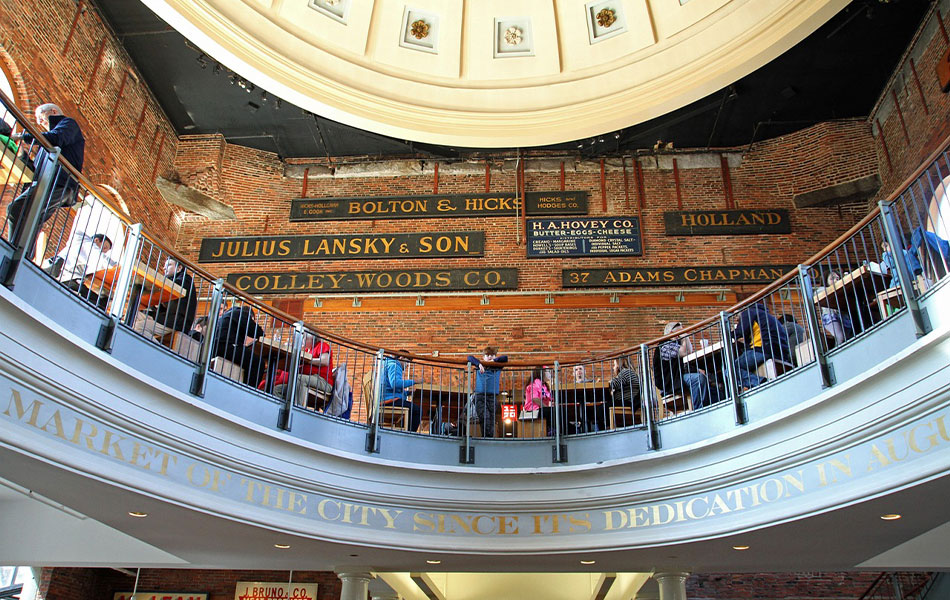
Quincy Market: Bringing Community to the Table
- Budget range: $–$$
- Must-try dish: Fried clams or a quick chowder bread bowl
- Why locals go: Fast, familiar, and practical. It’s not about the setting — it’s about access.
Locals still pass through on the daily – not to linger, but to grab something familiar between errands, before a game, or on the way home. It’s practical, predictable, and deeply ingrained. Boston has always eaten in public. That habit defines Boston food culture seafood traditions — practical, communal, and tied closely to working waterfronts. On docks, in markets, at counters and corners. Quincy Market just makes that habit impossible to ignore.
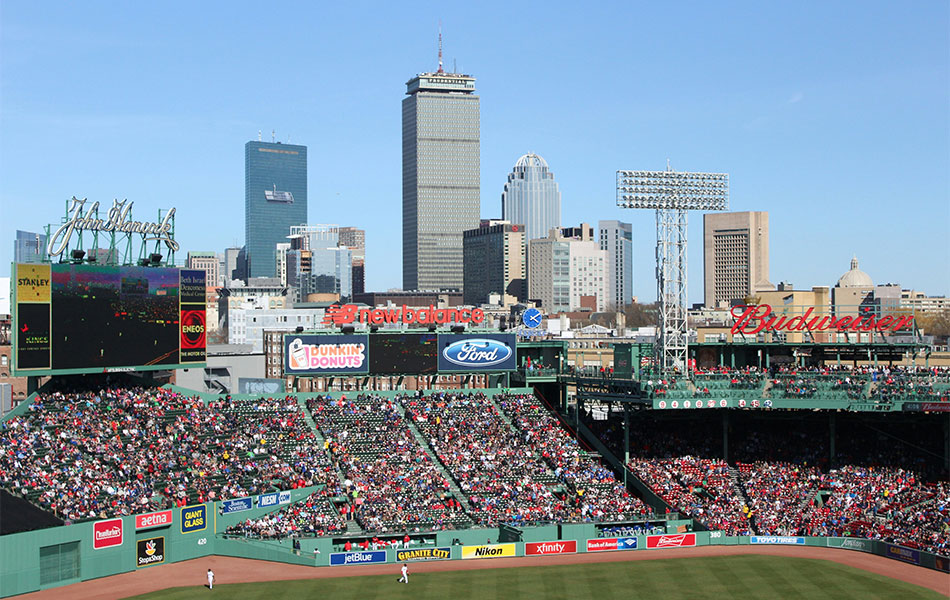
Luke’s Lobster: Fenway’s Everyday Seafood Fix
- Budget range: $$
- Must-try dish: Warm buttered lobster roll (Connecticut-style)
- Why locals go: Because it fits into real life — before a game, after work, whenever seafood needs to keep pace.
As the official lobster roll of Fenway Park, it’s become part of the neighborhood routine. Locals grab one on the way to a game, after a walk through the area, or simply because it’s there and it’s good. No harbor views, no ceremony – just well-sourced lobster, done right, when you want it.
That’s how seafood becomes local: not by spectacle, but by habit.
Join a small-group Boston food experience shaped by habit, not hype.Eat Like You’re From Here
Boston seafood isn’t about finding the best spot — it’s about finding the right one for the moment. That’s why the best seafood spots in Boston aren’t always the loudest — they’re the ones that locals return to without needing a reason. A counter when you’re hungry now. A shack when the weather’s on your side. A historic dining room when the timing works and the table opens up.
Locals look for freshness, simplicity, and confidence — and they return to places that deliver without fuss. Local seafood Boston kitchens serve isn’t complicated — it’s disciplined, consistent, and shaped by the harbor itself. Lobster rolls spark debate. Chowder inspires loyalty. Oysters are judged by where they come from, not how they’re dressed. Order confidently. Don’t overthink it. Let the ingredient lead. Boston seafood doesn’t ask for attention — it expects understanding. And it rewards you when you give it.
That’s exactly the approach behind our Boston’s Maritime Munchies Seafood Tour. Led by locals who know the rhythm of the city, the tour connects historic waterfront stories with the counters, kitchens, and classics that still define how Boston eats today. It’s not about checking boxes — it’s about learning how to order, where to linger, and why these spots have earned their place in Boston’s hall of fame.


.jpg%3Falt%3Dmedia%26token%3D7462883c-e88f-4346-8aed-a2b9867ac384&w=512&q=75)


