Everglades National Park
Everglades National Park covers about 1.5 million acres of subtropical wetland southwest of Miami, declared a national park in 1947 to protect its ecosystem rather than for scenery or geology, the first US national park created for that reason. It's the only place on Earth where American alligators and American crocodiles live side by side, and it holds UNESCO World Heritage, Ramsar Wetland, and International Biosphere Reserve status all at once.
Plan Your Visit
- Keep a safe distance from alligators and crocodiles at all times; never approach or feed wildlife in the park.
- Stay on marked trails, boardwalks, and designated tour routes rather than wading into open wetland areas.
Important Information:
What to Bring:
- Sun protection and water; there's very little shade across most of the open wetland and airboat routes.
- Bug spray, especially outside the cooler December-to-March season, when mosquitoes are far more active.
- Closed shoes if you're doing any walking trail beyond an airboat dock; the terrain is wet and uneven off the boardwalks.
About Everglades National Park
Everglades National Park
Everglades National Park covers roughly 1.5 million acres of subtropical wetland southwest of Miami, and it holds a distinction most national parks don't: it was established in 1947 specifically to protect a fragile ecosystem, rather than for dramatic scenery or geology, the first US national park created on those terms. That same year, Marjory Stoneman Douglas published "The Everglades: River of Grass," the book that gave the wetland its enduring nickname, describing the slow, near-invisible sheet of water that moves south through the sawgrass rather than sitting still like a typical swamp.
The park's ecological importance runs deep enough that it holds three major international designations at once, UNESCO World Heritage Site, Ramsar Wetland of International Importance, and International Biosphere Reserve, one of only three places on Earth to carry all three. It's also the only place in the world where American alligators and American crocodiles share the same habitat, alongside the endangered Florida panther, West Indian manatees, and hundreds of bird and fish species.
✨ Highlights
- The only place on Earth where American alligators and American crocodiles coexist in the wild.
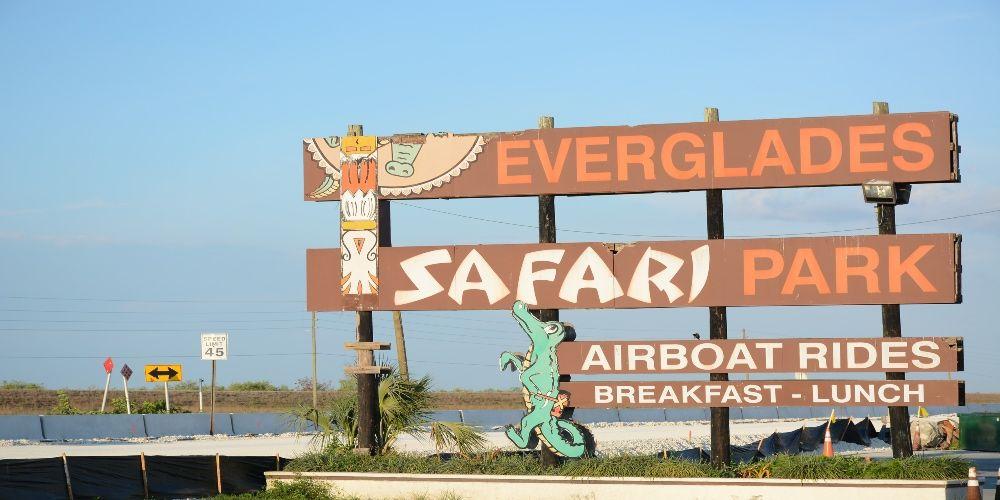
- Airboat tours through the "River of Grass," the slow-moving sheet of water that defines the ecosystem.
- Three simultaneous international designations: UNESCO World Heritage Site, Ramsar Wetland, and International Biosphere Reserve.
- Habitat for the endangered Florida panther, West Indian manatee, and hundreds of bird and fish species.
📖 History
Marjory Stoneman Douglas's advocacy, and her 1947 book "The Everglades: River of Grass," helped drive the same year's decision to establish the park, the first US national park created specifically to protect an ecosystem rather than for scenic or geological features. International recognition followed over the following decades: International Biosphere Reserve status in 1976, UNESCO World Heritage Site designation in 1979, and Ramsar Wetland status in 1987.
📍 How to Get There
The park has two main entrances: the Ernest F. Coe Visitor Center near Homestead, roughly 45 minutes to an hour southwest of downtown Miami, and the Marjory Stoneman Douglas Visitor Center at Everglades City on Florida's west coast.
📌 Good to Know
Peak season, December through March, brings cooler weather and far fewer mosquitoes than the rest of the year. [CONFIRM current park hours, airboat tour operator schedules, and entrance fees directly before publish; those figures are not sourced in this draft.]
See every tour that stops here on the Miami tours page.
More Attractions in Miami


See Sight Tours has been providing travel services across North America since 2006. Operating in 22 cities across Canada and the USA, the company specializes in small group tours that offer personalized, high-quality experiences for travelers.


Quick Links
Book your Tour
Get in Touch
- Toll Free1-888-961-6584
- Local1-289-271-9767


© 2026 See Sight Tours. All rights reserved.