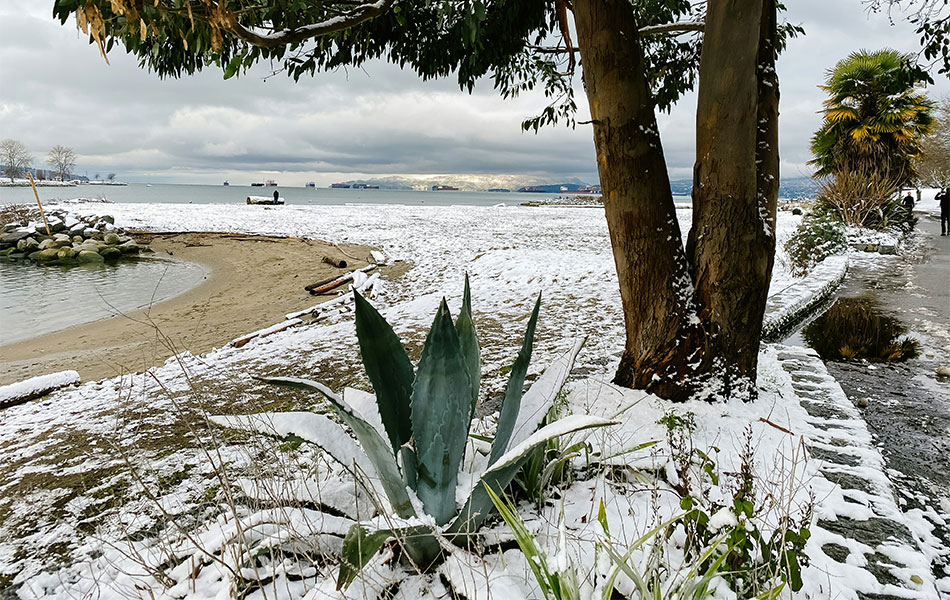




Winter on the Pacific Coast doesn’t look like the winter people imagine. Vancouver isn’t a postcard city of snowbanks and bluebird skies. It’s a place of wet sidewalks, low clouds, and evergreen mountains that disappear and reappear throughout the day. For locals, visiting Vancouver in winter isn’t about escaping the rain — it’s about finding a rhythm inside it, one that defines winter in Vancouver itself. This Vancouver winter travel guide is built around that rhythm — not chasing sunshine, but understanding how the city actually lives in its wet, coastal season.
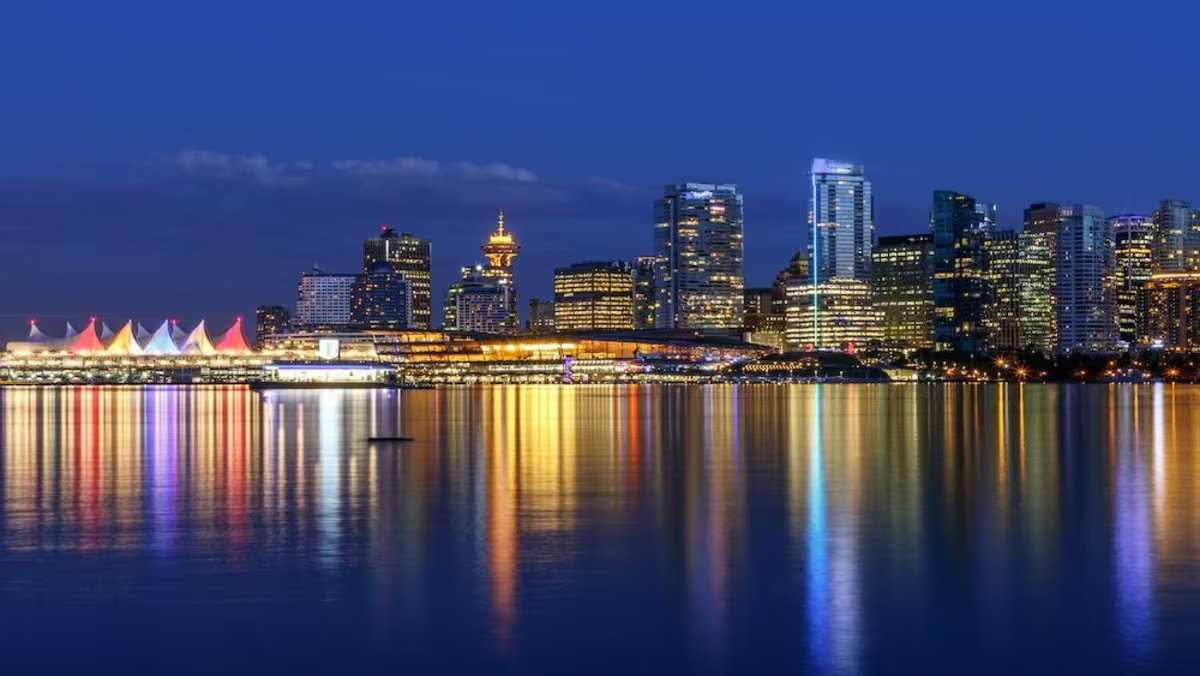
See Vancouver the way locals do — layered, atmospheric, and beautifully understated.The Rain Sets the Pace The Vancouver rainy season shapes daily life here, stretching through much of winter and setting the tone for how the city moves, dresses, and socializes. Rain in Vancouver doesn’t arrive with drama. It just shows up, quietly, and stays awhile. And the cold that comes with it isn’t the sharp, dry chill you get out east — it’s a damp cold that settles into your clothes and lingers on your skin. Not freezing, just persistent. The trick is dressing for it: a real waterproof jacket, not just “water-resistant”; boots with grip that can handle wet sidewalks; and layers you can peel off once you duck into a warm café. Locals swear by lightweight down under a shell — stay warm, dry, unbothered. Vancouver in winter weather is rarely extreme, but it rewards preparation — staying dry matters more than staying warm. Mornings start with a steady drizzle tapping against café awnings. Cyclists ride anyway. Dog walkers carry on. Visiting Vancouver in the rain is simply part of daily life — the city doesn’t pause for weather, it adapts and keeps moving. Walking downtown, the reflections on the pavement often tell you more than the skyline does. Streetlights stretch across the wet sidewalks like long streaks of gold. Storefronts glow against the darker edges of the day. It’s not “dreary”; it’s textured. Winter here is defined by a mood — calm, muted, and unhurried. On rainy days, that mood becomes part of the experience rather than something to avoid. Downtown Vancouver feels especially cinematic in winter, with glass towers reflecting streetlight glow and low clouds moving between buildings.
Where the Mountains Meet the Mist If you want to understand Vancouver in winter, look up. In North Shore mountains winter conditions, the peaks sit right at the edge of the city, wrapped in shifting layers of fog and fresh snow. Some days you can’t see the peaks at all. Others, the clouds split just enough to reveal snow sitting on the treeline. It’s a rare combination: a major city with wilderness literally across the water. Locals look at the mountains to read the day – fresh snow means skiers are already heading toward Grouse, Cypress, or Seymour before most people have had breakfast. Mist curling through the trees? That’s a good day for forest trails or quiet lookouts. Winter is when the contrast between city and nature feels closest. This closeness is what defines Vancouver nature in winter — urban life and wilderness existing side by side without separation. You can be in an office elevator one minute and smelling cedar on a forest trail twenty minutes later. Few cities in British Columbia — or anywhere else on the West Coast — balance wilderness and urban life the way Vancouver Canada does in winter. ## Stanley Park in Its Best Season Stanley Park winter conditions transform the park into one of the calmest and most immersive places in the city. The crowds thin out. The seawall feels wider. And the sound of the ocean is sharper when the air is cold. Step onto any of the inner trails and you’re reminded that this isn’t just a city park — it’s part of the same coastal rainforest ecosystem that stretches up and down British Columbia. The forest turns into a natural sound booth: branches dripping steadily, ravens calling from the canopy, and the distant hum of the city softened by thousands of rain-darkened trees. It’s not dramatic scenery. It’s steady, grounding, and real. Even on rainy days, the park has a beauty that doesn’t need sunshine. Everything looks more saturated: the deep green of the ferns, the almost-black bark of the Douglas firs, and the grey-blue ocean stretching toward the Lions Gate Bridge.
Explore Vancouver’s winter rhythm with a guide who embraces the mist, not the crowds.The City’s Winter Rituals Vancouverites don’t avoid the rain, but they do adapt to it. Every neighbourhood has its own version of winter comfort: - Commercial Drive: espresso bars full of people working, reading, or staying warm between errands. - Gastown: brick streets that look even better when they shine with rain. - Kitsilano: joggers who run the beach loop no matter the temperature. - West End: corner cafés packed with regulars escaping the drizzle for a few minutes. Food becomes part of the season, too. Steam rising from ramen bowls on Robson. A line of umbrellas outside a bakery in Mount Pleasant. Fish and chips eaten inside the Horseshoe Bay ferry terminal while the fog rolls in. And on the wettest nights, nothing hits quite like a classic White Spot burger — warm, familiar, and exactly the kind of comfort food locals turn to when the damp cold settles in. Vancouver in winter is defined by small routines — the places people return to because they make the grey feel intentional.
Rainforest Trails Are Better in Winter It might seem backwards, but winter is the ideal time to explore Vancouver’s rainforest parks. Capilano River, Lynn Canyon, and Pacific Spirit Park look their best when everything is wet. Moss glows brighter. Branches drip steadily like metronomes. The forest floor softens under your shoes. And if you make your way to Capilano Suspension Bridge Park in winter, the rainforest takes on a completely different layer of atmosphere. The trees and pathways are wrapped in thousands of lights during Canyon Lights, turning the rainforest into a glowing corridor of color and shadow. It’s one of the few places where the wildness of the forest and the magic of winter coexist without feeling artificial.
This is the coast at its most authentic — not curated, not manicured, just living with the climate that built it. And if you’re lucky, you’ll get those in-between moments when the cloud cover lifts for a few minutes and sunlight slides through the canopy like a spotlight. It doesn’t happen often, but that’s exactly why it feels so good when it does.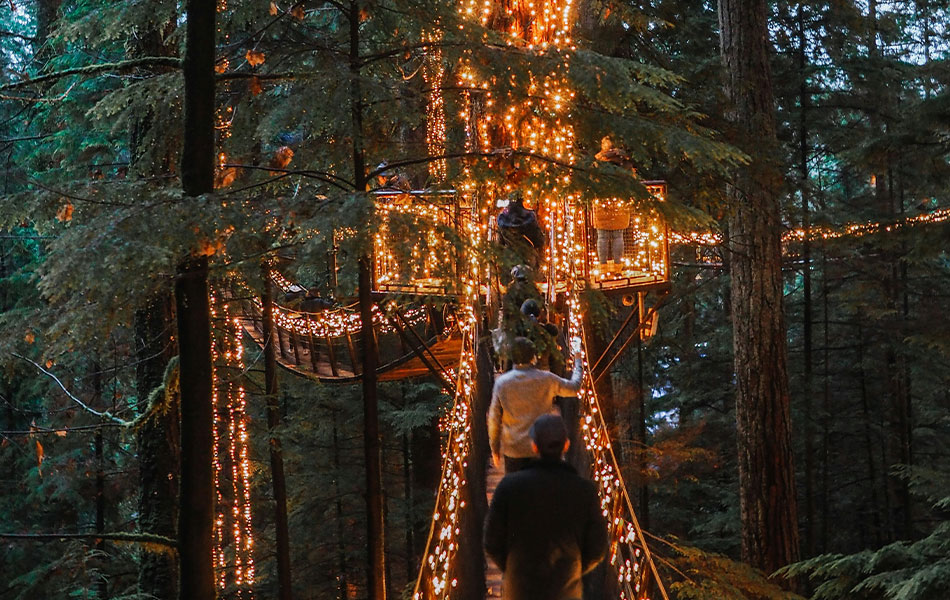
Waterfront Views That Change by the Hour Winter light on the Pacific Coast moves fast. Mornings are blue-grey, midday sharpens into a cool silver, and by late afternoon the sky fades into darker shades over the harbour. Coal Harbour becomes a mirror — yachts, mountains, and glass towers all blurred together with every ripple. On the other side of downtown, English Bay turns into a stage for winter sunsets: some soft and pale, others exploding in orange behind the silhouettes of tankers. These shifting waterfront scenes create some of the best winter viewpoints in Vancouver, changing hour by hour with light, fog, and tide.
And when the fog rolls in thick, everything disappears except what’s directly in front of you. It’s a reminder that this city was built beside real, working water — not just a scenic backdrop — and that Vancouver’s coastline feels alive in every type of weather.