


January might just be the most underrated month to experience New York City. With lighter crowds, lower prices, cozy winter scenery, and some of the year’s best cultural events, the city feels more intimate and magical than usual. Whether you're here for snowy strolls in Central Park, Broadway Week deals, world-class museums, or post-holiday shopping, this is the perfect moment to explore NYC at your own pace. The Ultimate Guide to Visiting New York in January will walk you through everything you need to know—weather, packing, events, itineraries, tips, and hidden gems—so you can make the most of your winter trip. This guide also helps you build a flexible NYC travel itinerary January visitors can follow, balancing outdoor sights with warm indoor experiences.
Walk Midtown’s icons, hidden gems, and pizza stops with a local guide.What is the Weather Like in January?
New York in January weather is the coldest of the year, offering a true winter experience that’s very manageable with the right planning. It’s a true winter experience, but one that’s very manageable with the right planning.
The New York January temperature usually ranges between 27°F and 39°F (-3°C to 4°C). Some days feel crisp and sunny. Others stay below freezing all day. Nights are colder, especially near the water.
Cold temperatures can feel colder because of the wind. Strong gusts from the Hudson and East Rivers create a wind chill, especially in Midtown, Lower Manhattan, and along waterfronts.
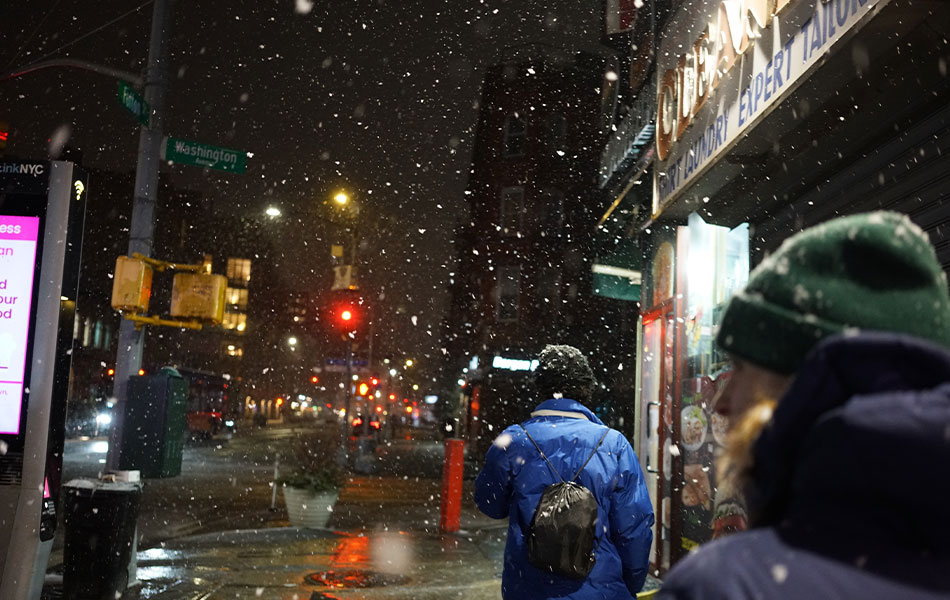
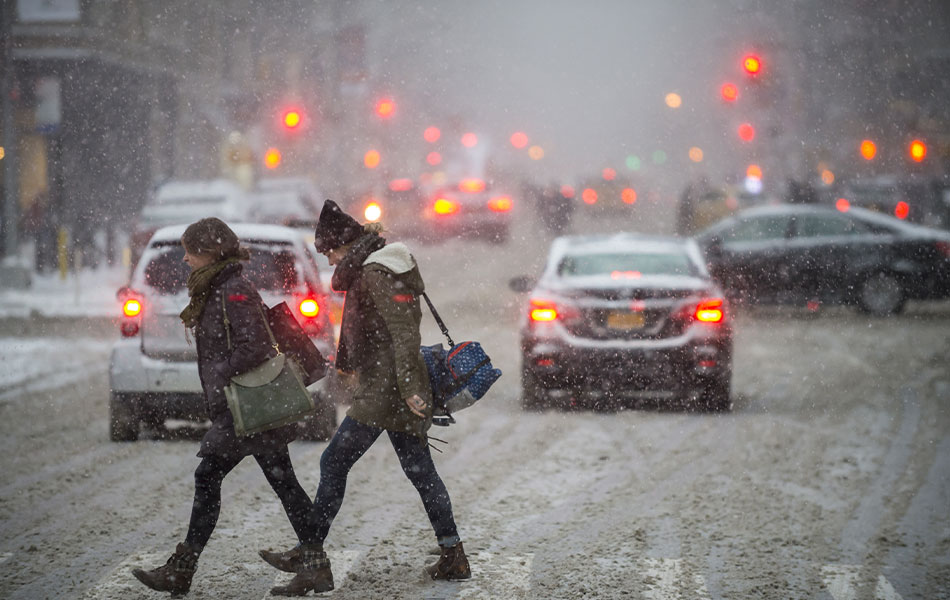
Snow is common but not constant. Light snowfall can happen several times a month. Bigger snowstorms usually arrive later in January. The city rarely shuts down. Subways, museums, restaurants, and attractions continue operating.
What to Pack for NYC in January
Packing smart is key for staying comfortable during winter. These January in NYC tips will help you stay warm, dry, and ready to explore.
- Start with thermal base layers, add sweaters or fleece for insulation and finish with a heavy, insulated winter coat.
- Waterproof boots are best for snow and slush and sneakers are fine only on dry days and make sure shoes have good grip.
- Insulated gloves or mittens, a warm scarf to block wind and a hat that covers your ears.
- Portable phone charger, reusable water bottle, and compact umbrella for snow or rain.
- Microfiber cloth to wipe snow or moisture from lenses. Batteries drain faster in cold weather so pack extra.
- Extra socks and hand warmers.
Reasons to Visit NYC in January
January is one of the best-kept secrets for visiting New York City. The pace slows down, prices drop, and the city feels more local.
Fewer Tourists and Less Crowds
January follows the busy holiday season, making it one of NYC’s quietest and most relaxed times to visit. Holiday visitors are gone. Streets, museums, and attractions feel calmer. You can walk through popular areas without heavy crowds.
Cheaper Flights and Hotels
Travel costs are lower in January. Airlines often offer deep discounts, including 2-for-1 airfare deals. Hotels and apartments are also cheaper, with some travelers finding stays close to $100 per night.
Broadway Week, Restaurant Week, and Shopping Deals
January brings some of NYC’s best deals. Broadway Week offers 2-for-1 theater tickets. Restaurant Week lets you dine at top restaurants for fixed prices.
Winter-Only Events and Seasonal Attractions
January features unique winter experiences you won’t see in other months. Ice skating rinks, winter festivals, and seasonal events fill the city. Snowy days create a quieter, more magical atmosphere.
Cozy Indoor Culture
Cold weather makes indoor experiences even better. Museums, cafés, food halls, and markets become perfect warm escapes. January is ideal for spending time at The Met, MoMA, Broadway theaters, and indoor markets like Chelsea Market.
Snowy Central Park Moments
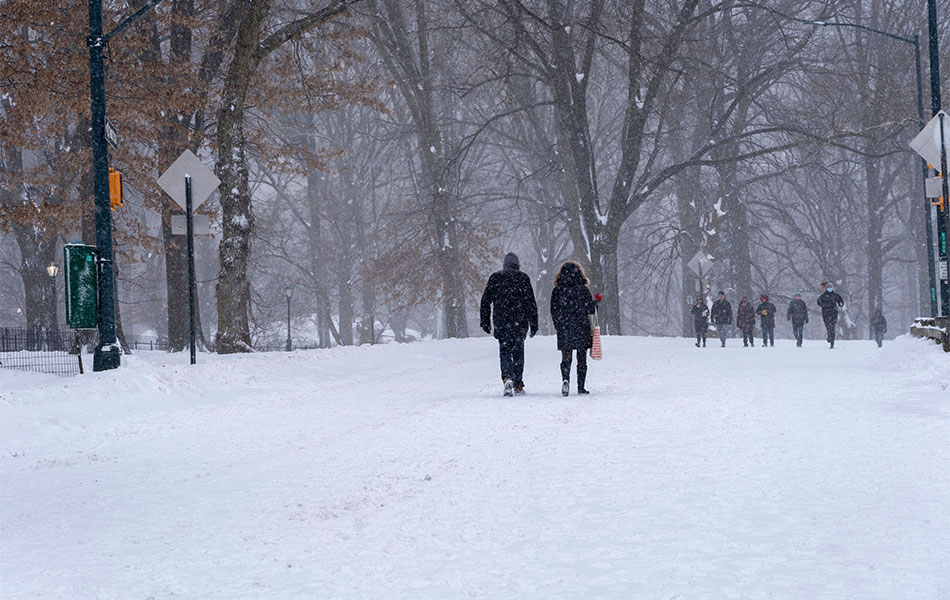
When snow falls, Central Park transforms. Bridges, trees, and paths look peaceful and cinematic. It’s one of the most beautiful times to walk, take photos, or simply slow down and enjoy the city.
NYC Events in January
January is packed with cultural events, winter festivals, and unique New York traditions. Many of these experiences are only available this time of year.
Broadway Week
Broadway Week offers 2-for-1 tickets to select shows. It usually runs from mid-January into early February. Tickets are limited and sell out fast so book as soon as sales open.
NYC Restaurant Week
NYC Winter JazzFest
This citywide music festival takes place across multiple venues. It features jazz, experimental music, and live performances. Most shows are indoors, making it a great cold-weather activity.
NYC Winter Jam
Winter Jam transforms Central Park into a winter sports zone. Activities include sledding, snowshoeing, and skiing.
Martin Luther King Jr. Day Events
MLK Day includes ceremonies, talks, and performances across the city. Museums and cultural centers host special programs and tributes
New Year’s Day and Polar Bear Swim
The year starts with the Polar Bear Club Swim at Coney Island. Thousands take a cold plunge into the Atlantic Ocean.
Winter Flea Markets
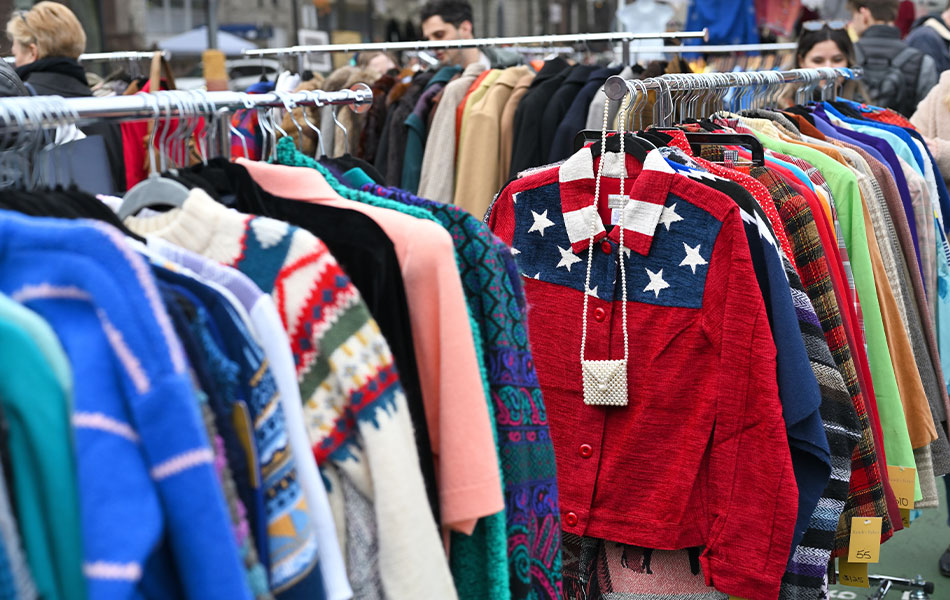
Winter Flea markets move indoors. You’ll find vintage goods, food vendors, crafts, and local sellers. They’re cozy and easy to explore.
Woolworth Building Tours
Guided tours let visitors explore the historic Woolworth Building. You’ll see its famous lobby and learn about its architecture and history.
Orchid Show at NYBG
The New York Botanical Garden hosts its annual Orchid Show during winter. It’s colorful, warm, and a great escape from the cold.
Dyker Heights Christmas Lights
If you visit in early January, you can still catch the famous Dyker Heights light displays. Decorations usually stay up until mid-month.
Bryant Park Winter Village
Bryant Park’s Winter Village stays open through March. It includes shops, food stalls, and an ice rink.

Best Outdoor Things to Do in New York in January
Crowds are smaller, which makes exploring New York in January easier. These are the best outdoor things to do in New York in January.
Ice Skating in NYC
Ice skating is a classic January activity.
- Rockefeller Center is the most iconic spot.
- Wollman Rink in Central Park offers scenic skyline views.
- Bryant Park Winter Village is lively and social.
- Brookfield Place Rink is quieter and great for families.
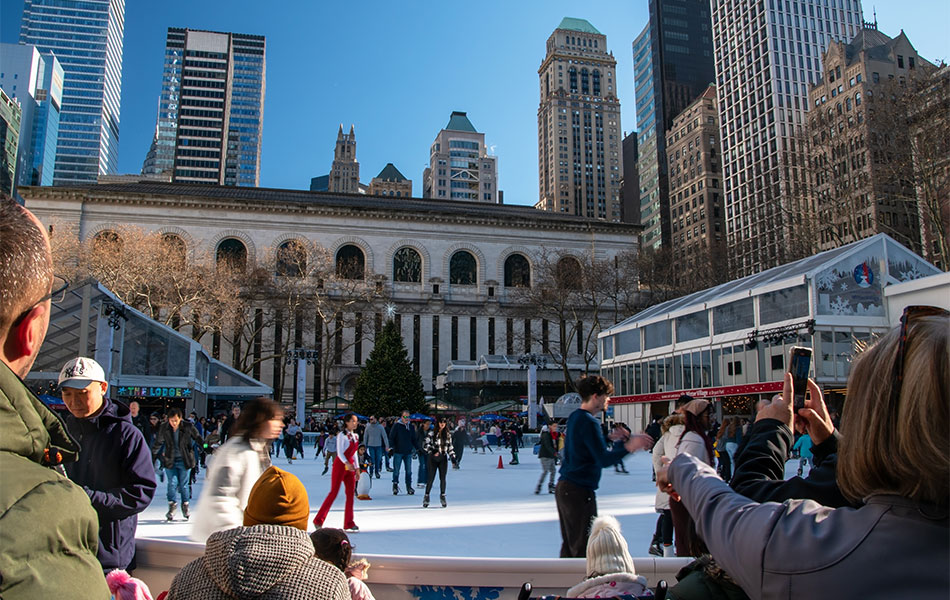
Snowy Central Park Walks and Photography
Central Park looks magical after snowfall. Walk across Bow Bridge for photos. Stroll The Mall for a peaceful break. Visit Bethesda Terrace for sheltered views. For fun, try sledding at Pilgrim Hill or Cedar Hill when snow sticks. A winter walk along the High Line offers peaceful views of the city, seasonal art installations, and fewer people than warmer months.
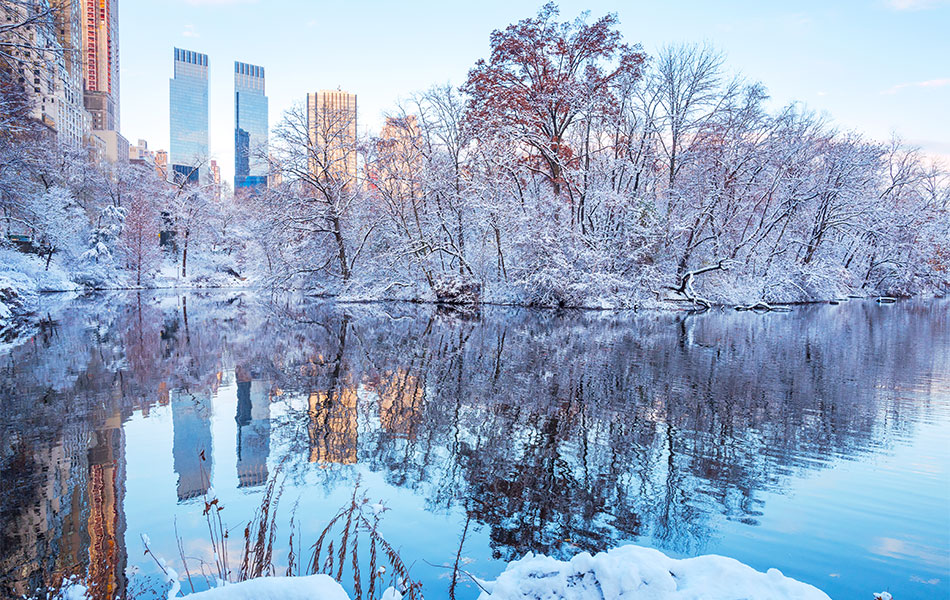
Brooklyn Bridge Walk
Walking the Brooklyn Bridge in winter is calm and beautiful. Sunrise and sunset offer the best light. Cold air keeps crowds low and views clear.
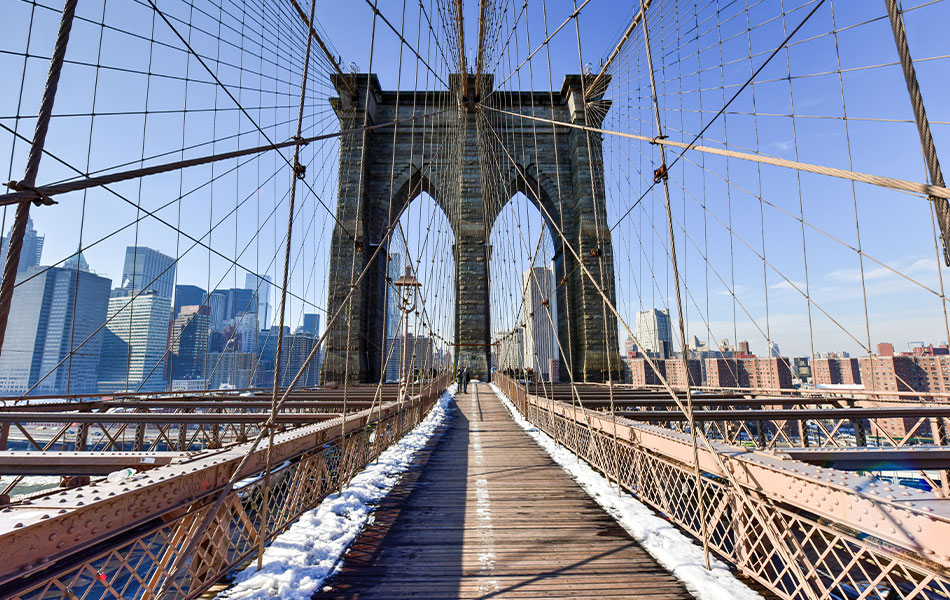
Times Square
Visiting Times Square in January is easier than other months, with fewer crowds, clearer views, and bright lights that feel especially striking against winter skies.
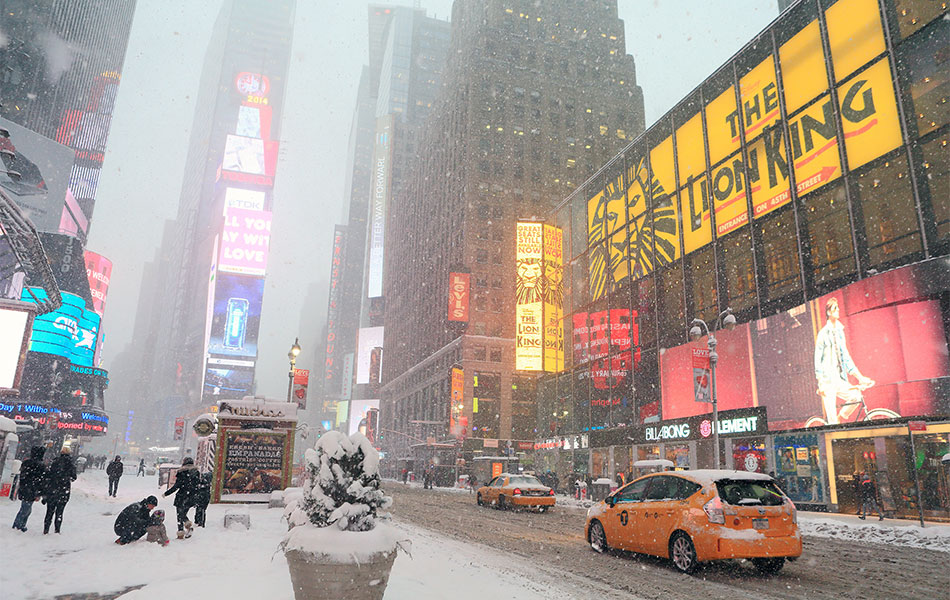
Staten Island Ferry
The ferry runs year-round and is free. It offers close views of the Statue of Liberty and the skyline. Cold weather means fewer passengers and better photos.

Best Indoor Activities to Do in New York in January
Museums
January is perfect for museum visits.
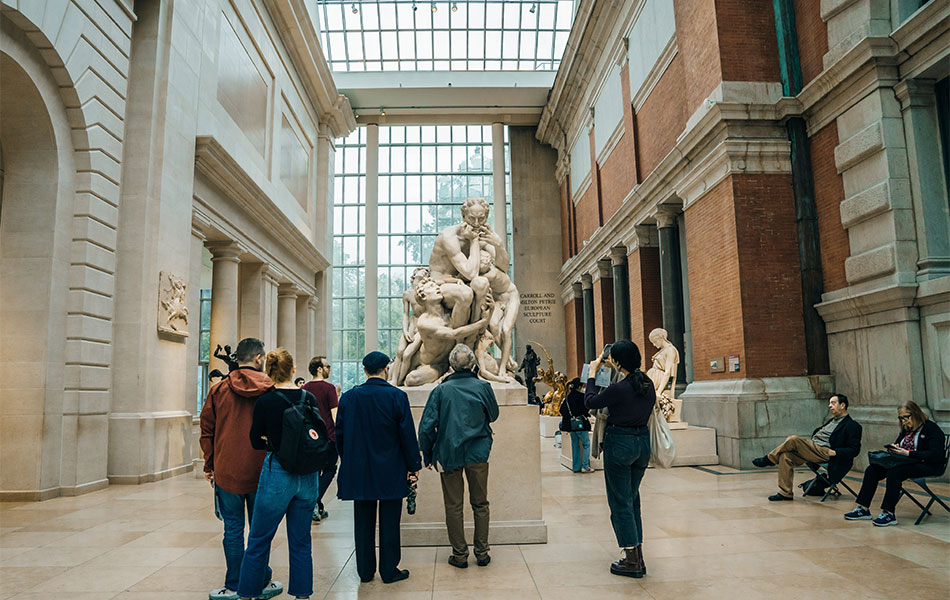
- Spend time at the Metropolitan Museum of Art, one of the world’s greatest museums, perfect for slow winter exploration.
- Learn about the city at the Museum of the City of New York.
- Visit the Guggenheim for architecture and modern art.
- Explore the Frick Collection for classic works.
- The Tenement Museum shares immigrant stories through guided tours.
- AMNH is great for families and science lovers.
- MoMA features modern masterpieces.
- The Whitney focuses on American art.
- Mercer Labs offers immersive tech-based exhibits.
Observation Decks
Winter views are often the clearest.
- Visit Top of the Rock for skyline views.
- The Empire State Building is a classic choice.
- SUMMIT One Vanderbilt offers mirrored spaces and city reflections.
- Edge at Hudson Yards has a glass floor and outdoor deck.
Food and Drink
Warm up with hot chocolate around the city. Cozy cafés are everywhere. Visit food halls like Chelsea Market, Essex Market, Canal Street Market, and Time Out Market. End the night with cocktails at historic bars like The Dead Rabbit.

Classes and Indoor Experiences
Try macaron-making or cooking classes for something different. Escape rooms are fun in cold weather. Relax at Spa Castle. January is also a great time to catch a live musical, with Broadway theaters offering seasonal discounts and better seat availability.
Shopping in New York in January
January is one of the best months to shop in New York City. Holiday crowds are gone, and prices drop across the city.
Post-Holiday Sales
After the holidays, stores offer deep discounts. Many winter items go on clearance. Clothing, shoes, and accessories are often marked down.
Best Places to Shop in NYC
- Fifth Avenue is home to flagship stores and luxury brands.
- SoHo offers trendy boutiques and independent shops.
- Hudson Yards has modern indoor shopping, perfect for cold days.
- Herald Square features large department stores like Macy’s.
Outlet and Boutique Deals
January is a great time to find outlet bargains. Discount retailers and boutiques offer seasonal sales. Designer items are often available at reduced prices. Thrift and resale shops also have good winter stock.

Shop on Weekdays
Weekday shopping is quieter and more relaxed. Stores are less crowded. Sales staff have more time to help. Mornings are especially calm.
If shopping is part of your trip, January offers the best value and the least stress.
Getting Around NYC in January
New York City is easy to navigate in winter. Public transportation runs year-round, even in cold or snowy weather.
Using the Subway in Winter
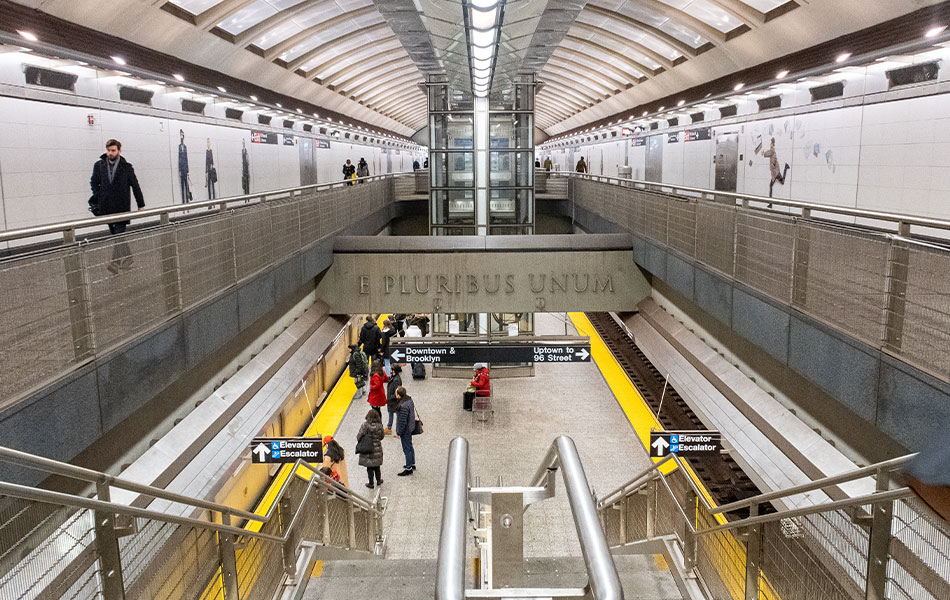
The subway is the most reliable way to get around in January. Trains run regardless of snow or cold. Stations and trains are heated. It also helps reduce time spent outside. A contactless payment or unlimited pass is convenient for visitors.
Buses, Ferries, and CitiBike
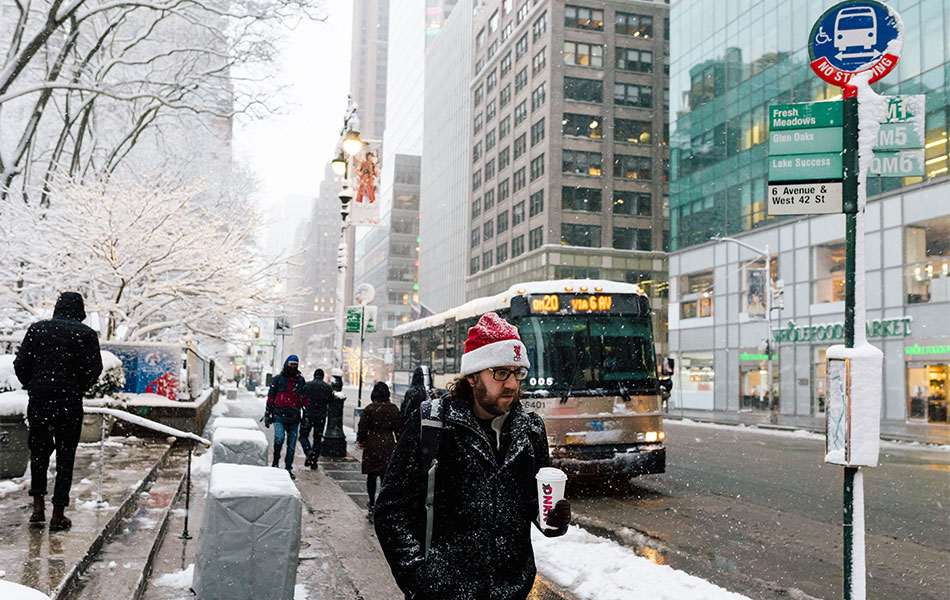
City buses operate normally during winter and are fully enclosed. Ferries continue running and offer great views, but they can feel cold on outdoor decks. Dress warmly if you plan to ride one. CitiBike is available in winter, but icy conditions may limit use on some days.
Walking in January
New York is a walkable city, even in winter. Walk at a steady pace to stay warm. Wear waterproof boots to handle slush and puddles. Stick to main streets where sidewalks are cleared faster.
Taxis and Rideshares
Taxis and rideshares are widely available in January. Demand can increase during snowstorms, which may raise prices. Allow extra travel time in bad weather. Booking earlier in the day helps.
Warm-Up Stops and Indoor Routes
Use indoor spaces to warm up while exploring. Grand Central Terminal offers long indoor corridors. The Oculus in Lower Manhattan is spacious and warm. Time Warner Center at Columbus Circle connects shopping and dining under one roof.
Safety & Practical Tips for Winter Travel in NYC
January is easier in New York when you follow local habits. These tips help you stay warm, save time, and enjoy the city more.
- Daylight is limited in January. The sun sets before 5 pm. Plan outdoor sightseeing in the morning or early afternoon. Save indoor activities for later in the day.
- Winter weather can change quickly. Snow or wind may affect plans. Always have indoor backups like museums, markets, or cafés. This keeps your day stress-free.
- Many attractions use timed entry. Observation decks, museums, and shows often sell out. Booking ahead guarantees your spot and saves waiting time in the cold.
- Midtown is the busiest mid-day. Visit early in the morning or later at night. Weekdays are quieter than weekends. This makes sightseeing more relaxed.
- Cold air is dehydrating. Drink water even if you don’t feel thirsty. Warm drinks help, but water is still important.
- Bring a portable phone charger. Cold drains batteries faster. Pack a compact umbrella for snow or rain.
- Subways reduce time outdoors. Stations and trains are heated. It’s the fastest and warmest way to move around the city.
- Winter sidewalks can be slippery. Walk slower than usual and take shorter steps. Wear boots with good traction and waterproof soles. Avoid stepping near curb edges where slush piles up. Use handrails on stairs whenever possible.
- Snowstorms can cause delays for flights, ferries, and tours. Always check weather forecasts the night before and the morning of your plans. Build extra time into your schedule.
- Keep indoor backup activities, like museums or cafés, in case outdoor plans change.
- Download a reliable weather app with hourly forecasts. Turn on emergency alerts for storm warnings. Transit apps are also helpful for checking subway service changes during bad weather.
- Dial 911 for emergencies. For non-emergency city services, use 311. Pharmacies, coffee shops, and major stations like Grand Central are good places to warm up if needed.
Frequently Asked Questions
Is January a good time to visit New York?
Yes. January is one of the best times to visit New York if you want fewer crowds and lower prices. Hotels and flights are cheaper, and popular attractions feel less busy. The city also hosts special winter events and deals.
Does it snow in NYC in January?
Yes, snow is common in January, but it does not snow every day. Light snowfalls happen more often than major storms. When heavy snow does occur, the city clears streets and sidewalks quickly.
Are attractions open in January?
Most attractions stay open in January. Museums, observation decks, theaters, and tours operate normally. Some outdoor activities may adjust hours during extreme weather, so checking schedules in advance is helpful.
How long should I stay in NYC in January?
A 3 to 5 day trip is ideal. This gives you time to see major sights, enjoy winter events, visit museums, and relax without rushing.
What is the best way to get around NYC in January?
The subway is the best option. It runs in all weather and is warm and reliable. Buses and taxis are also good choices. Walking is fine with proper footwear.
What is Broadway Week?
Broadway Week is a seasonal promotion that offers 2-for-1 tickets to select Broadway shows. It usually runs in mid-to-late January. Tickets are limited and should be booked early.
What are some family-friendly things to do in January?
Families can enjoy ice skating, visiting the American Museum of Natural History, exploring Central Park, riding the Staten Island Ferry, attending Broadway matinees, and visiting indoor markets and museums.
Taste Chinatown and Little Italy with five iconic bites and local stories.Conclusion
January is a quieter, more local version of New York City—and that’s exactly what makes it special. Seeing the Big Apple in January lets you experience New York at a slower pace, without the crowds that define other seasons. With fewer crowds, better deals, and a calendar full of winter-only events, the city becomes easier to explore and more rewarding to experience. If you dress smart, plan around the weather, and lean into indoor culture and seasonal moments, January can deliver one of the most memorable NYC trips of the year. Embrace the cold, slow your pace, and let the city surprise you.


