

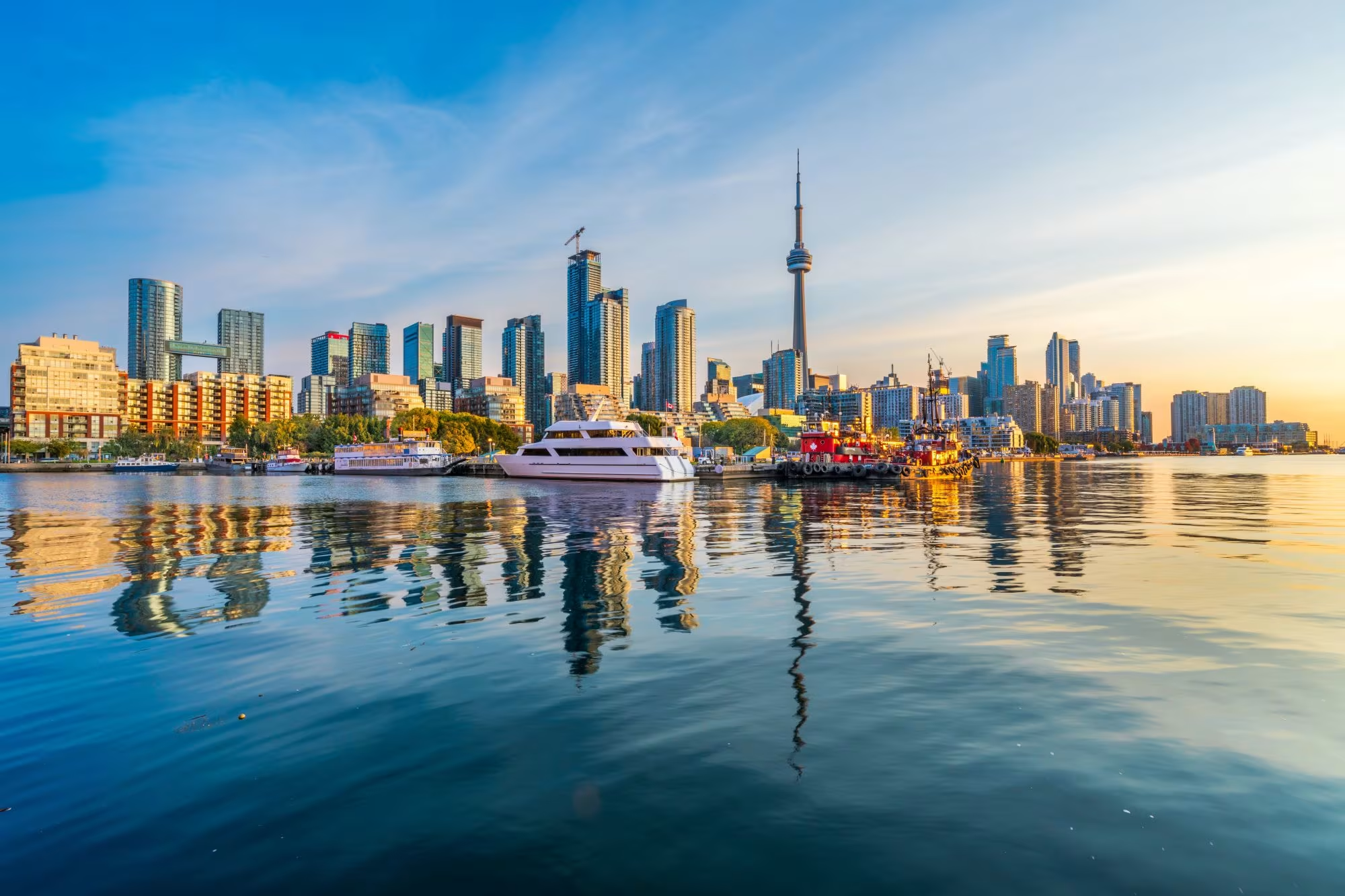
Toronto Travel Guide for FIFA World Cup 2026

Ammara Younas
Updated: March 10, 2026
This unofficial Toronto travel guide for FIFA World Cup 2026 is written for people who care about logistics as much as atmosphere - fans who want to arrive prepared, move efficiently, and still feel the city between matches.
Where to Stay, How to Move, and What to Expect in Toronto for World Cup 2026
Toronto doesn’t flatten itself for global events. It absorbs them. That matters during a World Cup. Instead of one condensed fan corridor, the city spreads energy across transit lines, parks, pubs, and neighborhoods that already know how to handle crowds without becoming chaotic.
This unofficial Toronto travel guide for FIFA World Cup 2026 is written for people who care about logistics as much as atmosphere - fans who want to arrive prepared, move efficiently, and still feel the city between matches.
What Toronto Feels Like During the Tournament
Matches run from mid-June into early July, and Toronto’s summer rhythm is already established by then. Days are warm, evenings cool slightly near the lake, and sudden rainstorms are common but brief. Humidity can sneak up on you. Locals dress for movement—light layers, breathable shoes, and something waterproof stuffed into a backpack.
The city is walkable where it counts. Downtown, Queen West, Liberty Village, and the waterfront are stitched together by streetcars that continue running even when traffic locks up. That reliability becomes essential on match days.
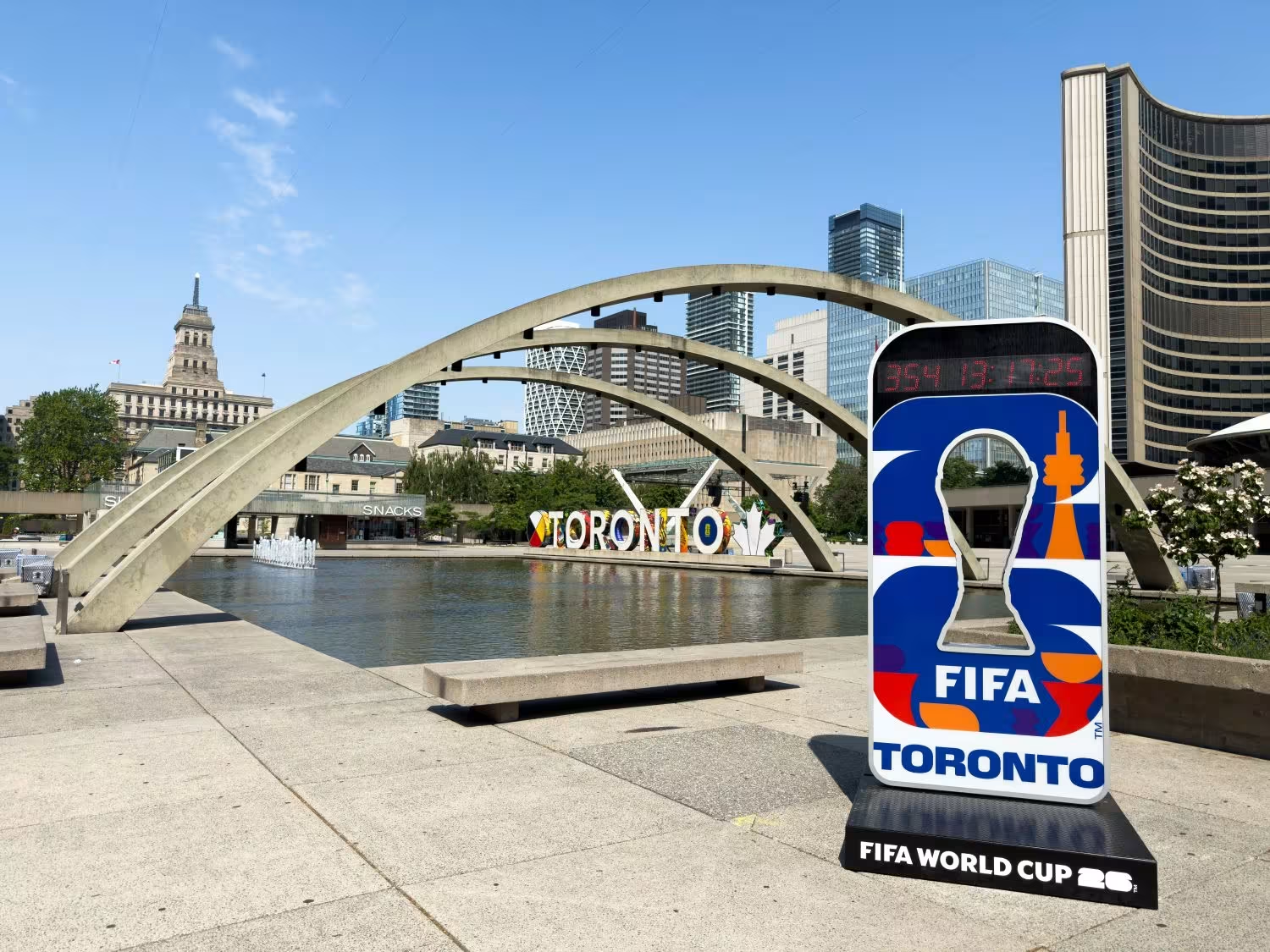
Stadium Location and Match Days
All matches take place at BMO Field, temporarily branded by FIFA as Toronto Stadium. It sits inside Exhibition Place, west of the downtown core, right on the lake. The location is a gift: no suburban sprawl, no highway-only access, no dead zone after full time.
On match days, most fans funnel through Union Station, then hop on the 509 or 511 streetcar west to Exhibition Loop. It’s a direct ride, no transfers, and the crowd energy builds naturally as you approach. Walking is realistic if you’re staying in Liberty Village, Fort York, or King West. Biking works too—racks are plentiful—but scooters stop at the perimeter.
Toronto hosts six matches, starting with the tournament opener for Canada and finishing with a knockout-round game. That means repeated match days, not a single spike.
Where to Stay (And Why It Matters)
Accommodation choice changes your experience more than ticket category. Downtown Core puts you near transit hubs and late-night food. Queen West and the Annex lean creative and local, with bars that turn into unofficial watch spots. Liberty Village sits closest to the stadium and fills with pre-match buzz hours before kickoff. The Distillery District trades proximity for atmosphere—quieter, historic, and visually striking at night.
The key isn’t distance to the stadium. It’s access to streetcars and subways that run late.
If you stay downtown, you'll benefit from the best of Toronto tours which pick you up from your hotel and let you explore all the highlights like the CN Tower, St. Lawrence Market, and Toronto Harbour Cruise.
Explore the Best of Toronto between FIFA Matches!
Check Availability
Fan Zones, Bars, and Between-Match Time
Toronto’s official fan festival sites are split between Fort York National Historic Site and The Bentway, both walkable from the stadium area. These aren’t fenced-in viewing pens, rather, they feel like extensions of the city, with food stalls, music, and families drifting in and out.
Sports bars skew soccer-literate. Places like The Football Factory or Scotland Yard don’t need explanations when a chant starts. If you want scale, Real Sports delivers wall-to-wall screens and neutral ground for mixed supporters.
Between matches, locals default to parks. Trinity Bellwoods and High Park become social hubs, not sightseeing stops. You’ll see pickup games form organically, often involving people who met on the streetcar an hour earlier.
Getting In and Out of the City
Most international visitors arrive through Toronto Pearson (YYZ), then take the UP Express straight downtown. It’s fast, predictable, and avoids traffic entirely. Billy Bishop Airport serves short-haul routes and drops you right on the waterfront—useful if you’re hopping between host cities.
Transit handles the rest. Toronto doesn’t shut down during events; it stretches.
Visiting Toronto for FIFA World Cup 2026
This Toronto FIFA 2026 travel guide works best when you plan around transit, not cars. Stay near streetcar or subway lines and treat the city as a series of connected neighborhoods rather than one central zone.
Expect multiple match days spread across weeks. Build rest days into your schedule and avoid stacking travel and matches back-to-back.
Arrive at least a day before your first match. Weather shifts, security lines, and transit surges are easier to handle once you’ve oriented yourself.
Toronto World Cup 2026 Travel Tips
Pack for heat and rain. Comfortable shoes matter more than style, and late evenings near the lake run cooler than expected.
The stadium’s downtown-adjacent location is rare for a World Cup. Use that advantage and avoid long commutes.
Travel to Toronto for FIFA 2026
Public transport outperforms rideshares during major events. Streetcars to Exhibition Place remain the most reliable option.
Toronto FIFA World Cup tourism guide
Balance match days with neighborhood time. Markets, parks, and local bars show the city more honestly than headline attractions.
On This Page:



Get in Touch

Toll Free
1-888-961-6584
Local
1-289-271-9767
