Washington Monument
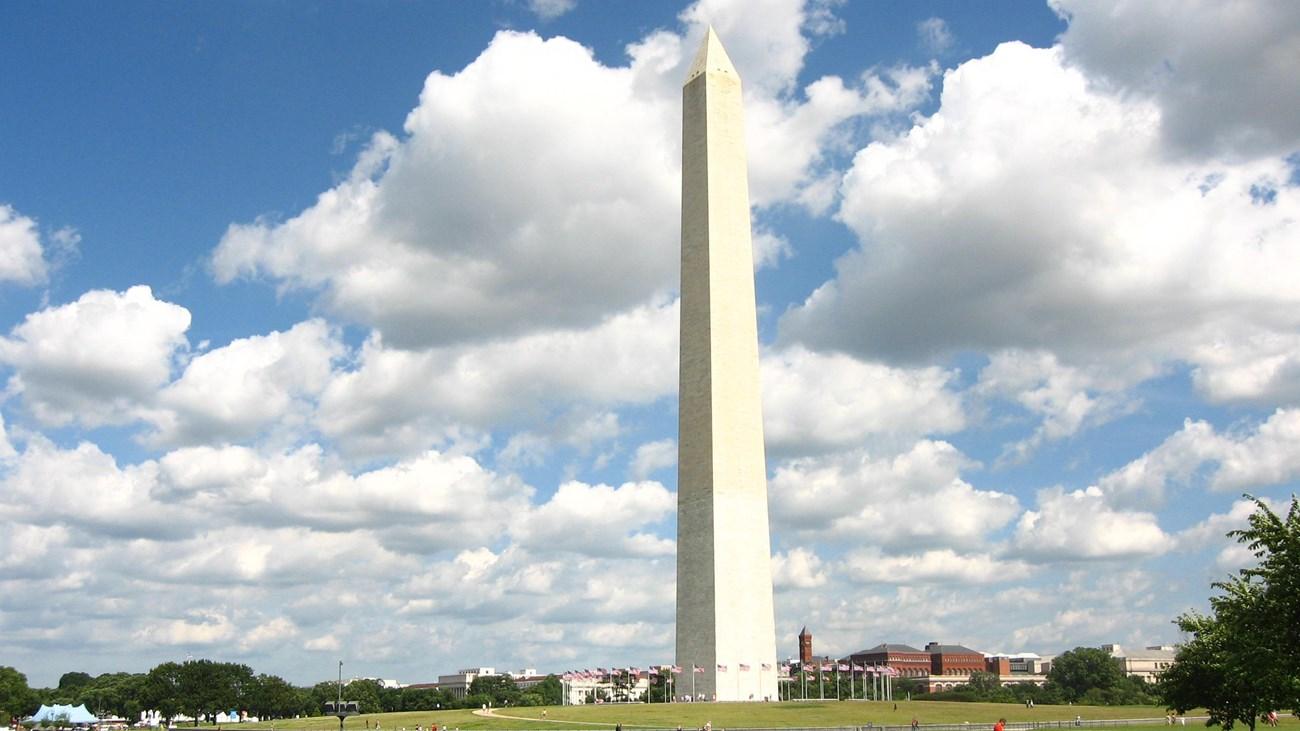
Standing tall in the heart of Washington , D.C., the Washington Monument is a symbol of strength, history, and national pride. This towering obelisk, reaching 555 feet into the sky, is more than just…
Plan Your Visit
Opening hours
The Washington Monument is typically open daily, except for except July 4 and December 25. Its regular hours of operation are from 9:00 AM to 5:00 PM.Last tour begins by 4:00 p.m.
2 15th St NW, Washington, DC 20024, USA
About Washington Monument
Standing tall in the heart of Washington, D.C., the Washington Monument is a symbol of strength, history, and national pride. This towering obelisk, reaching 555 feet into the sky, is more than just a stunning architectural feat—it's a tribute to George Washington, the first President of the United States and a founding father whose leadership shaped the nation. Visitors from around the world come to marvel at its sheer size, its striking marble exterior, and the breathtaking panoramic views it offers from the top. Whether you're an admirer of American history, a lover of grand monuments, or simply someone looking for an iconic snapshot of the nation's capital, the Washington Monument offers a memorable experience for all.
🌿 Entry Fee
As of now, entry to the Washington Monument is free, but tickets are required to visit the observation deck. These tickets can be obtained in two ways:
Same-Day Tickets:
These free tickets are available on a first-come, first-served basis at the Washington Monument Lodge on the day of your visit.
Reserved Tickets:
You can also reserve tickets in advance for a small fee via the National Park Service website.
The reservation fee for advance tickets is typically around $1.00 per ticket. Be sure to check the National Park Service website for the most current information on availability and ticketing policies.
💡 Parking
Parking near the Washington Monument is limited, as it is located on the National Mall, which is a heavily visited area. There are no designated parking lots directly next to the monument, but there are a few options:
Street Parking:
Some metered street parking is available around the National Mall, though spaces can be hard to find, especially during peak times.
Parking Garages:
There are several public parking garages in the surrounding area, such as near the Smithsonian museums or the Tidal Basin, which are within walking distance of the Washington Monument.
Public Transportation:
Given the difficulty of parking, many visitors choose to use public transportation. The Smithsonian Metro Station (on the Blue, Orange, and Silver lines) is just a short walk from the monument, making it a convenient option for getting there.
🌟 Accessibility
Washington Monument is accessible to visitors with disabilities. Here are some of the features that make it accessible:
Elevator Access:
The monument has an elevator that takes visitors to the observation deck, making it accessible for those who may have difficulty with stairs.
Wheelchair Accessibility:
The grounds around the Washington Monument and the monument itself are accessible for wheelchair users. Visitors can use wheelchairs on the National Mall and in the monument’s base area.
Wheelchair Rentals:
Wheelchairs are available for free at the Washington Monument Lodge, though availability may vary, so it’s advisable to check ahead if you need one.
Accessible Restrooms:
Accessible restrooms are available nearby, including at the Washington Monument Lodge.
For visitors with mobility challenges, the National Mall is well-equipped with ramps and pathways to ensure a smooth experience.
📖 History of the Washington Monument
The Washington Monument stands as a powerful tribute to George Washington, the first President of the United States and a key figure in the nation's founding. Its history is as grand as the monument itself, filled with ambition, challenges, and perseverance.
The idea for a monument to honor George Washington dates back to 1783, soon after Washington retired from military service following the American Revolution. In 1791, a design competition was held, and the eventual winner was Robert Mills, an architect who envisioned a grand obelisk rising 600 feet tall. The Washington National Monument Society was formed in 1833 to oversee the construction of the monument, and by 1848, work on the monument began. The first few years were met with enthusiasm, and the monument’s foundation was completed quickly. However, the project faced multiple setbacks, including financial difficulties and a lack of consensus on the monument’s design. These challenges were exacerbated by political and funding issues, as well as the onset of the Civil War.
By 1854, work on the Washington Monument came to a halt after only the lower portion was built. The unfinished structure stood incomplete and exposed for many years. In the 1870s, momentum for completing the monument gained traction once again. The U.S. Congress passed a bill to resume construction, and in 1876, work finally resumed under the direction of the U.S. Army Corps of Engineers.
The Washington Monument was completed in 1884, with the final capstone placed at the top. At 555 feet, it was the tallest man-made structure in the world until the completion of the Eiffel Tower in Paris in 1889. The monument was formally dedicated on February 21, 1885, and it has stood ever since as an enduring symbol of Washington’s leadership and the ideals of the United States.
Over the years, the Washington Monument has endured natural disasters, including the 2011 earthquake that caused significant damage to the structure. Despite this, it has always been repaired and preserved, standing as a symbol of the strength and resilience of the nation.
Today, the Washington Monument continues to draw millions of visitors from around the world, who come to admire its architectural beauty, its connection to American history, and the breathtaking views it offers over the National Mall. Its history is a testament to the nation's respect for George Washington and the enduring legacy of the United States' fight for independence and democracy.
✨ Key Highlights of the Washington Monument
A Towering Symbol of American History
One of the most striking features of the Washington Monument is its sheer size. At the time of its completion in 1884, it was the tallest man-made structure in the world, holding that title until the completion of the Eiffel Tower in Paris five years later. Its towering presence makes it impossible to miss, dominating the skyline of the National Mall and serving as a visual anchor in the heart of the nation’s capital. Designed as an obelisk, the monument's clean, sharp lines stand in contrast to the classical columns and neoclassical buildings that surround the National Mall, emphasizing the monument's uniqueness as both a memorial and a statement of American values.
Architectural Marvel and Construction Materials
The monument's construction and eventual completion are integral to its legacy. The structure itself is made of white marble, granite, and blue stone, with each stone carefully selected to symbolize the strength and unity of the country. The monument's base is made from large blocks of granite, while the upper portion, including the capstone, is composed of marble. The color difference between the stones, visible from the ground, serves as a reminder of the long gap in construction, reflecting both the delays and the eventual triumph in finishing the monument.
Commemorative Stones: Symbols of Unity and Tribute
The Washington Monument is not only a tribute to George Washington but also a collaborative effort that brought together various states, cities, organizations, and even foreign nations. One of the most unique features of the monument is the collection of commemorative stones embedded within its interior walls. These stones, donated by various entities during the construction of the monument, carry inscriptions and designs that reflect the diverse contributions of the American people and the global recognition of Washington's legacy.
Breathtaking Views from the Top
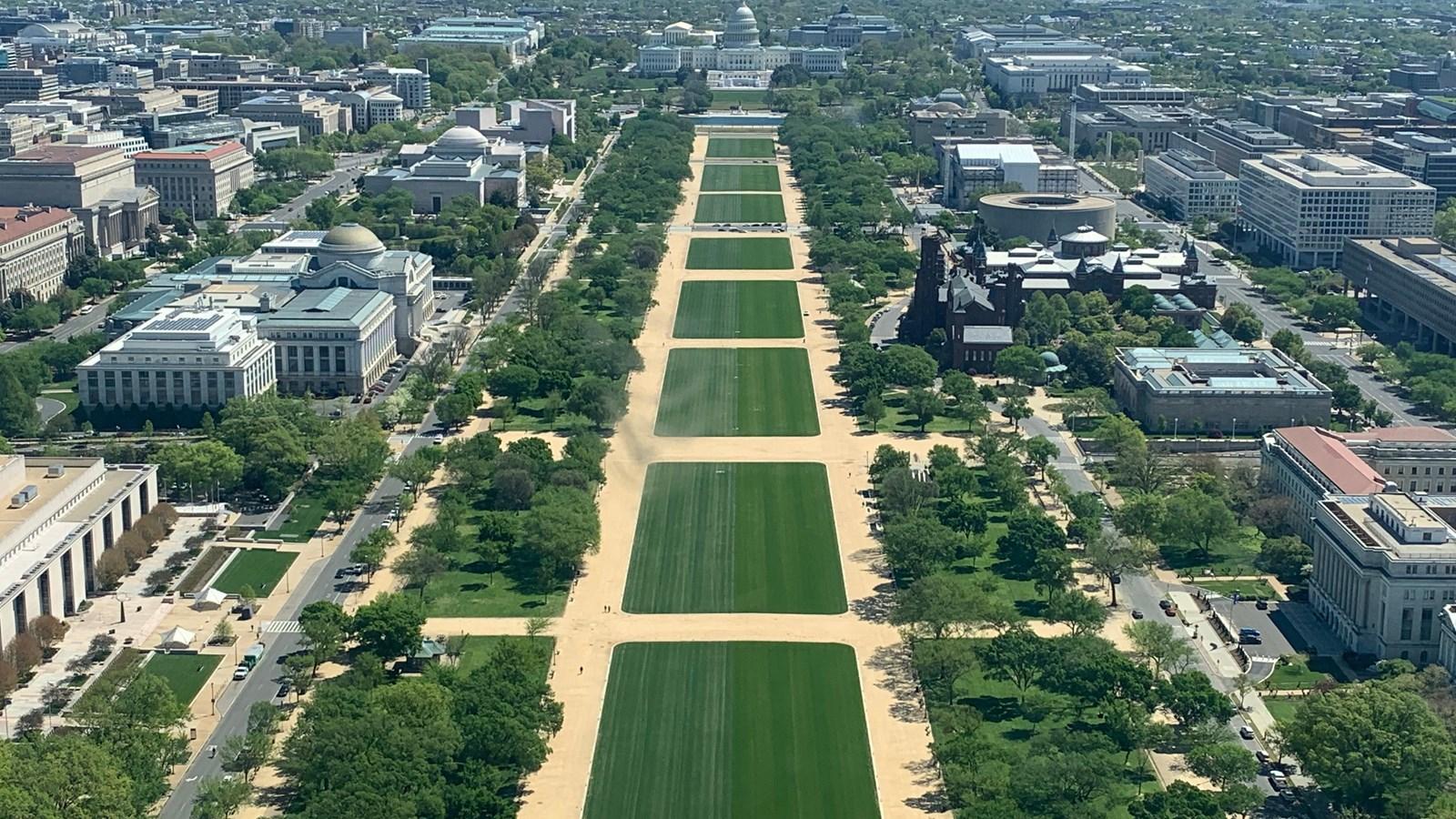
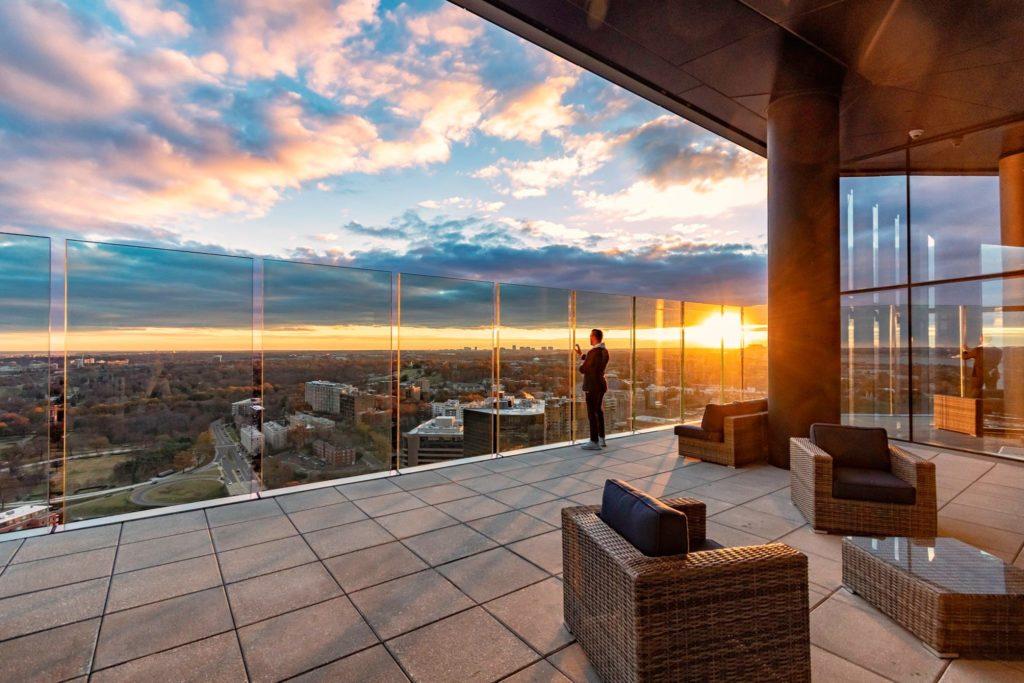
Another fascinating aspect of the Washington Monument is the views it offers. The observation deck, located at the top of the monument, provides visitors with some of the most spectacular panoramas of Washington, D.C. From this vantage point, one can see a wide expanse of the National Mall, with its iconic landmarks, such as the Lincoln Memorial, the U.S. Capitol, and the Reflecting Pool. On clear days, visitors can even spot distant landmarks such as the White House and the Jefferson Memorial. The expansive view allows people to gain a deeper appreciation for the city’s layout and the symbolic placement of the Washington Monument within the nation’s capital. The breathtaking vistas make a trip to the top a memorable experience for anyone visiting the monument.
A Place of Reflection and Education
The Washington Monument is also a place of reflection and education. Inside the monument, visitors can learn about its history, construction, and the legacy of George Washington. The monument features several historical inscriptions, including a plaque containing Washington’s words, and the stones embedded in the structure, donated by various states and countries, each carry their own historical significance. The monument’s museum, located at its base, displays a wealth of historical artifacts, including the original designs for the monument and historical photographs documenting its construction. These exhibits provide valuable insights into the national importance of the monument and its role in honoring the ideals Washington embodied.
Resilience Through Time: Earthquake and Restoration
Despite the passage of time, the Washington Monument has faced challenges, including the 2011 earthquake that caused significant structural damage. In the aftermath, the monument underwent a multi-year restoration, during which engineers carefully examined and repaired the cracks caused by the quake. This resilience reflects the enduring strength of the monument, much like the nation it represents. The restoration efforts reaffirm the commitment to preserving this national treasure for future generations.
A National Landmark for Celebrations and Events
Another remarkable aspect of the Washington Monument is its connection to national events and celebrations. It has witnessed countless historical moments, from the dedication of other national monuments to the commemoration of national holidays like the Fourth of July. It serves as a gathering place for Americans and tourists alike, particularly during national celebrations, when the monument is illuminated and serves as the backdrop for various ceremonies and events.
The Monument’s Symbolic Location on the National Mall
The Washington Monument’s location on the National Mall is also part of its significance. The National Mall is a place where Americans come to engage with history, culture, and civic identity, and the Washington Monument occupies a central and prominent position within this expansive, symbolic space. It stands between the U.S. Capitol and the Lincoln Memorial, aligning with the broader vision of the National Mall as a gathering place for political discourse and national reflection. The monument’s placement is symbolic, standing as a link between the nation’s founding, its struggle for independence, and its continued pursuit of liberty and justice.
💡 Plan Your Visit Today!
The Washington Monument is more than just a towering structure; it’s a journey through history, a celebration of unity, and a tribute to the enduring ideals of the United States. Whether you’re marveling at the commemorative stones, learning about its storied past, or soaking in the breathtaking views from the observation deck, the monument offers an unforgettable experience for visitors of all ages. Nestled in the heart of the National Mall, it’s the perfect centerpiece to a day of exploring America’s rich heritage. So why wait? Plan your visit today and be inspired by the monument that continues to stand tall as a symbol of the nation’s spirit and the enduring legacy of George Washington.
See every tour that stops here on the Washington tours page.
More Attractions in Washington

See Sight Tours has been providing travel services across North America since 2006. Operating in 22 cities across Canada and the USA, the company specializes in small group tours that offer personalized, high-quality experiences for travelers.


Quick Links
Book your Tour
Get in Touch
- Toll Free1-888-961-6584
- Local1-289-271-9767


© 2026 See Sight Tours. All rights reserved.