Cornelius Amann
October 06, 2026

5/5
8 days from Atlanta to Memphis: two nights each in Atlanta, Montgomery and Memphis, Selma and the Edmund Pettus Bridge on the road, and a night in Birmingham.
8 days · Atlanta to Memphis · up to 12 guests
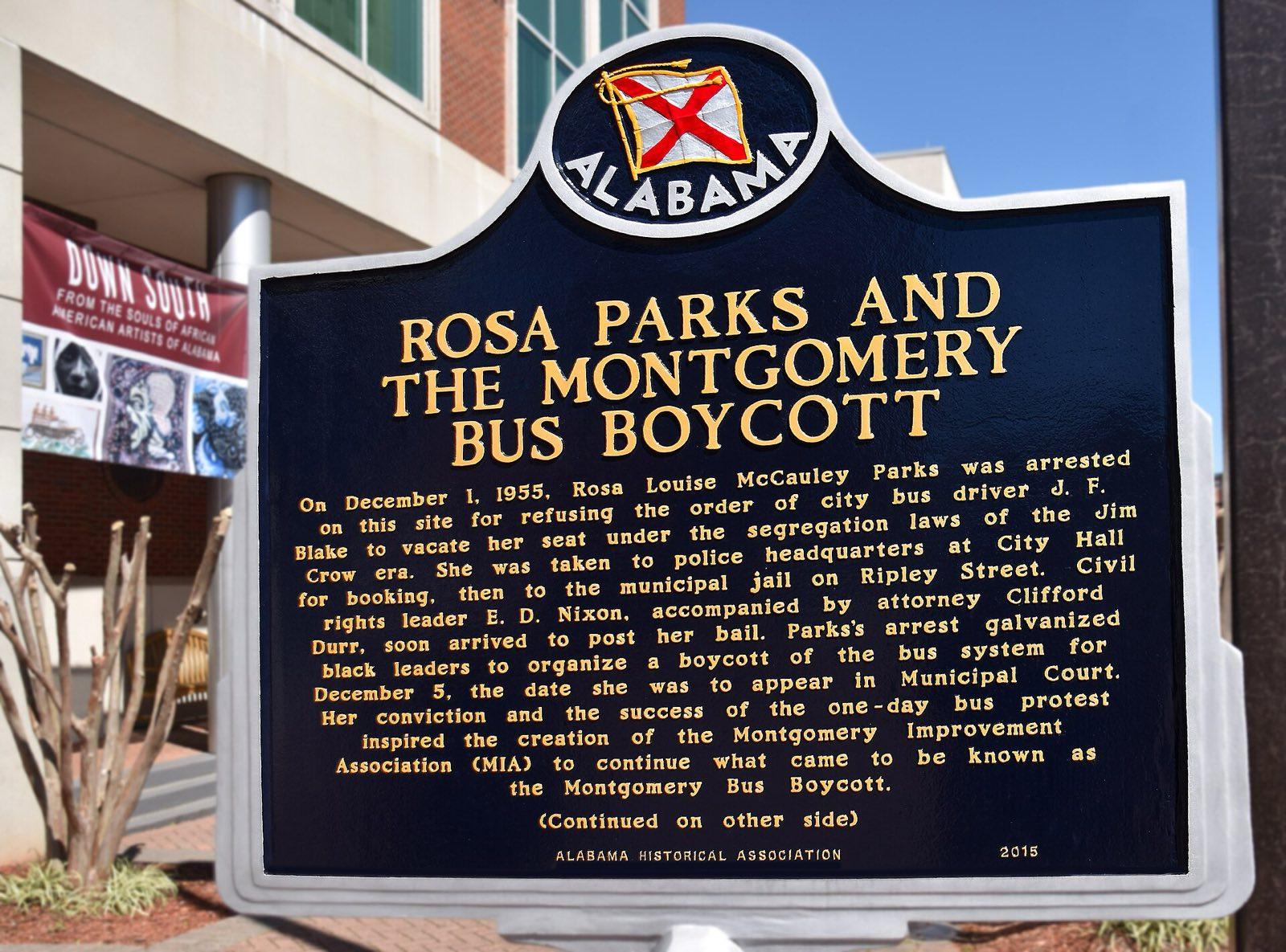
The marker outside the Rosa Parks Museum in Montgomery, on the spot where she was arrested Photo: Ron Cogswell, CC BY 2.0, via Wikimedia Commons (https://commons.wikimedia.org/wiki/File:Rosa_Parks_Bus_Boycott_Marker,_Montgomery,_Alabama_(March_2019).jpg)
The facts
Easy
Easy: town and museum walking on pavements, about 3 to 5 km a day, with up to three hours on your feet in the larger museums. Crossing the Edmund Pettus Bridge is a walk of under 1 km with a slope. The longest drive, on day 6, is about three and three-quarter hours with a break. Some exhibits are emotionally hard, and you can step out or sit any visit out.
Highlights
Every drive is listed day by day, and none is longer than 4 hours.
Free time and choices are marked on the days they fall.
A room of your own is + CAD 940 (estimated price).
Day by day
The longest drive is 4 h, on day 6.
Tap any stop on the map to open that dayClick any stop on the map to open that day
Hartsfield-Jackson Atlanta International Airport (ATL) to your hotel downtown
Fly into Hartsfield-Jackson Atlanta International Airport (ATL), about 16 km south of downtown, where a driver meets you in arrivals for the ride to the hotel.
Evening
Plan to land by about 3 pm; the group meets at 5:30 pm, and late arrivals are met and brought to dinner. Your See Sight Tours guide runs through the week ahead: three states and six places, the order of the museums and the two days that carry the hardest history. People come on this trip for different reasons, some with family stories of their own, and the guide explains how the days are paced so there is always room to step out, sit down or talk it over. Then we walk to a welcome dinner nearby. Atlanta is on Eastern time; from day 3 we are in Alabama and Tennessee on Central time, an hour behind, and the guide reminds you when we cross the state line.
Included
Free time: Free until the 5:30 pm meeting
Activity: Plan to land by about 3 pm.
Auburn Avenue and the King National Historical Park, then the National Center for Civil and Human Rights
We start at 9 am on Auburn Avenue, the Sweet Auburn district where Martin Luther King Jr. was born in 1929, and which in the first half of the twentieth century was one of the most prosperous Black business streets in the country. The National Park Service visitor centre sets the scene. Then we walk to the house where he was born, seen from outside or with a ranger where tours are running, past Fire Station No. 6 to Ebenezer Baptist Church, where he was baptised and where he and his father preached. Across the street at The King Center, Dr. King and Coretta Scott King lie in a tomb set in a reflecting pool beside an eternal flame.
Afternoon
Lunch is at a local restaurant on or near the avenue. In the afternoon we drive ten minutes to the National Center for Civil and Human Rights beside Centennial Olympic Park, which links the American movement to human rights struggles around the world; many people find its lunch-counter exhibit hard to sit through. Allow about two hours.
Evening
The evening is free.
Included
Easier option: Rest at the hotel after lunch and visit the Center for Civil and Human Rights for an hour later in the afternoon, or skip it.
More active option: In the free evening, walk or cycle the Atlanta BeltLine Eastside Trail, which passes close to the Old Fourth Ward where Sweet Auburn begins.
Free time: Evening free in Atlanta
Activity: About 3 km on foot in the morning on pavements, then two hours standing in the museum.
Atlanta to Tuskegee on Interstate 85, then Montgomery
We leave Atlanta at about 8:30 am and drive southwest on Interstate 85 into Alabama, about 200 km and two and a quarter hours, setting watches back an hour at the state line.
Morning
In Tuskegee we spend the late morning at two National Park Service sites: Tuskegee Institute, the school Booker T. Washington led from its founding in 1881, with The Oaks, his home, and the George Washington Carver Museum; and Moton Field, where the Tuskegee Airmen, the first Black military pilots in the US armed forces, trained during the Second World War.
Afternoon
Lunch is in Tuskegee or nearby Auburn, then it is under an hour to Montgomery. In the early afternoon we visit the Rosa Parks Museum, built by Troy University on the corner where she was arrested on 1 December 1955 for refusing to give up her bus seat, and which tells the story of the 381-day boycott that followed. Afterwards your guide walks the group from Court Square up Dexter Avenue to the steps of the Alabama State Capitol, where the Selma to Montgomery march ended in 1965.
Evening
The evening is free.
Included
Free time: Evening free in Montgomery
Activity: Two drives of about two and a quarter hours and 45 minutes, with short walks at Tuskegee and an hour in the Rosa Parks Museum.
A day in Montgomery: Dexter Avenue church and parsonage, the Legacy Museum, then the National Memorial for Peace and Justice
This is the heaviest day of the trip, and we pace it that way.
Morning
In the morning, at the time the church gives us when we book the group visit, we tour Dexter Avenue King Memorial Baptist Church, a block from the Capitol, where Dr. King was pastor from 1954 to 1960 and where local leaders met to plan the bus boycott. Then the Dexter Parsonage Museum, the King family's home, whose porch was bombed in January 1956 while Coretta Scott King and their baby daughter were inside.
Afternoon
Lunch together downtown. In the early afternoon we go to the Legacy Museum of the Equal Justice Initiative, on the site of a warehouse where enslaved people were held, which traces a line from slavery through lynching and segregation to mass incarceration. Give it about three hours; photography is not allowed inside. Then the National Memorial for Peace and Justice, where more than 800 steel monuments, one for each county where racial terror lynchings were documented, hang above the walkway. We go in the late-afternoon light and leave the pace to you.
Evening
Dinner together is quiet and unhurried, a chance to talk the day over, or not.
Included
Optional experiences
Easier option: Go back to the hotel after the Legacy Museum to rest, and visit the Memorial with your guide the next morning before we leave for Selma.
Free time: An hour free between the museum and the Memorial
Activity: About three hours on your feet in the Legacy Museum and an hour at the Memorial, on paths with a gentle slope. The content is hard; step out whenever you need to.
Montgomery west on US 80 to the Lowndes Interpretive Center and Selma, then north to Birmingham
We leave Montgomery at 8:30 am and drive west on US 80, the route of the 1965 march and now the Selma to Montgomery National Historic Trail, travelling it in reverse. About 40 minutes out, the Lowndes Interpretive Center tells the story of the marchers' camps along the road and of the tent city where Black sharecropping families, evicted for registering to vote, lived through the months that followed. In Selma we meet a local guide from the community and start at Brown Chapel AME Church, where the marchers gathered on 7 March 1965, then follow their route through town to the Edmund Pettus Bridge. We cross it on foot, as they did before state troopers attacked them on the far side on what became known as Bloody Sunday. At the foot of the bridge, the community-run National Voting Rights Museum, opened for our group by appointment, keeps the marchers' own stories.
Afternoon
Lunch is in Selma.
Evening
Mid-afternoon we drive north about two hours to Birmingham, check in by about 5:30 pm and have dinner together.
Included
Easier option: Ride across the Edmund Pettus Bridge in the vehicle and meet the group on the far side.
Activity: About 3 km on foot in Selma, including the bridge, which rises over the Alabama River; drives of 40 minutes, 45 minutes and two hours.
Birmingham Civil Rights District, then Interstate 22 by way of Tupelo to Memphis
Evening
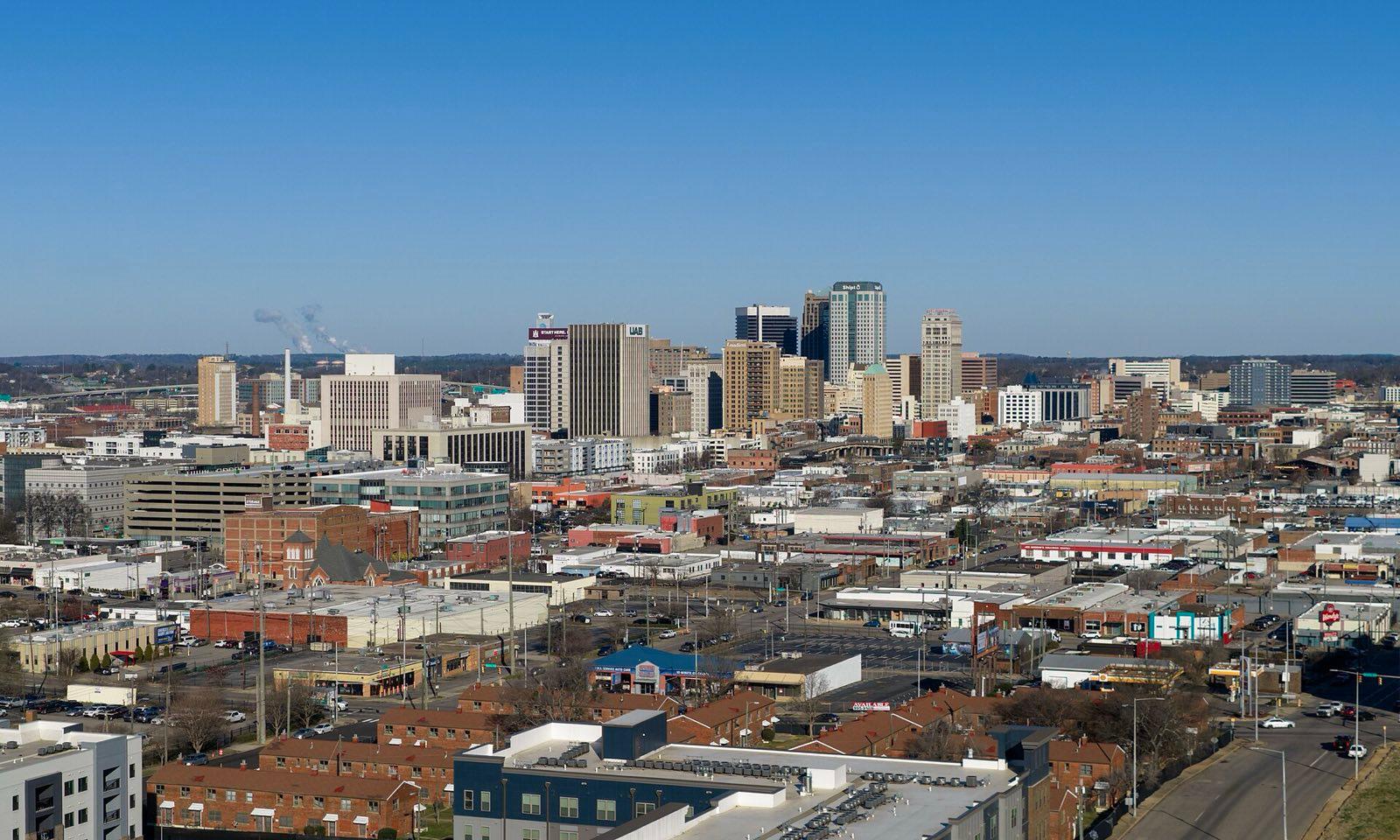
Birmingham in the morning, Memphis by evening. We start in Kelly Ingram Park, where in May 1963 police turned dogs and fire hoses on the children and teenagers of the Children's Crusade; sculptures along its paths show what happened. Across the street stands the 16th Street Baptist Church, where a Klan bomb killed four girls, Addie Mae Collins, Cynthia Wesley, Carole Robertson and Denise McNair, on 15 September 1963. A church guide tells its story, and we keep the order of the morning to the church's tour times. Then the Birmingham Civil Rights Institute on the corner, where we spend about two hours. These blocks are now the Birmingham Civil Rights National Monument. After lunch nearby we leave at about 1:30 pm for Memphis, about 385 km and three and three-quarter hours on Interstate 22 through northwest Alabama and Mississippi, with a 30-minute break in Tupelo, where Elvis Presley was born. We reach Memphis by about 5:45 pm. The evening is free, and Beale Street is a short walk from the hotel.
Included
Free time: Evening free in Memphis
Activity: About three hours on foot in the morning, then an afternoon on the road in two legs of about two hours with a 30-minute break.
National Civil Rights Museum, Clayborn Temple and Mason Temple, then the Stax Museum in Soulsville
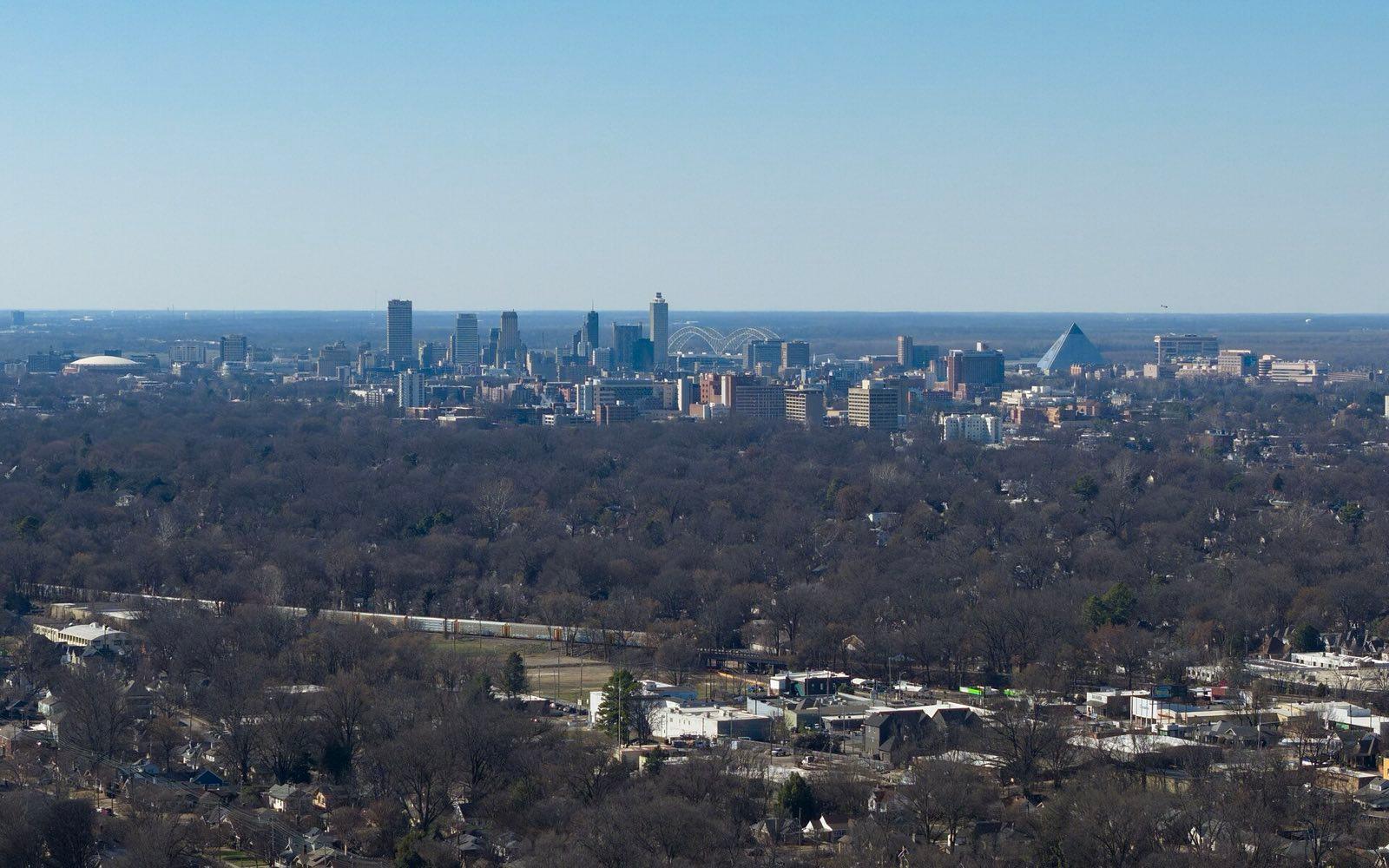
The National Civil Rights Museum opens at 9 am and we are there for it. It is built around the Lorraine Motel, where Dr. King was shot on the balcony outside Room 306 on 4 April 1968, and its galleries run from slavery and resistance through the boycotts, sit-ins and Freedom Rides to the sanitation workers' strike that brought him to Memphis; across the street, the Legacy Building follows the investigation of his killing. Allow about three hours. After a week on the trail much of it will be familiar, and here it comes together.
Afternoon
Lunch is your choice nearby. In the early afternoon your guide takes us past Clayborn Temple, where the striking sanitation workers set off with their I AM A MAN signs, and past Mason Temple, a working church busy with Sunday services, where Dr.
Evening
King gave his last speech the night before he died. Then the Stax Museum of American Soul Music in Soulsville, on the site of the studio where Black and white musicians recorded together in a segregated city. Farewell dinner in the evening.
Included
Optional experiences
Easier option: Skip the afternoon and rest at the hotel; the museum is within walking distance of downtown.
More active option: In the late afternoon, walk the Big River Crossing, a path on the Harahan Bridge, across the Mississippi into Arkansas and back.
Free time: Lunch free; an hour free before dinner
Activity: About three hours standing and walking in the museum, with benches along the way, then an hour at Stax.
Downtown Memphis to Graceland in Whitehaven, then Memphis International Airport (MEM)
Morning
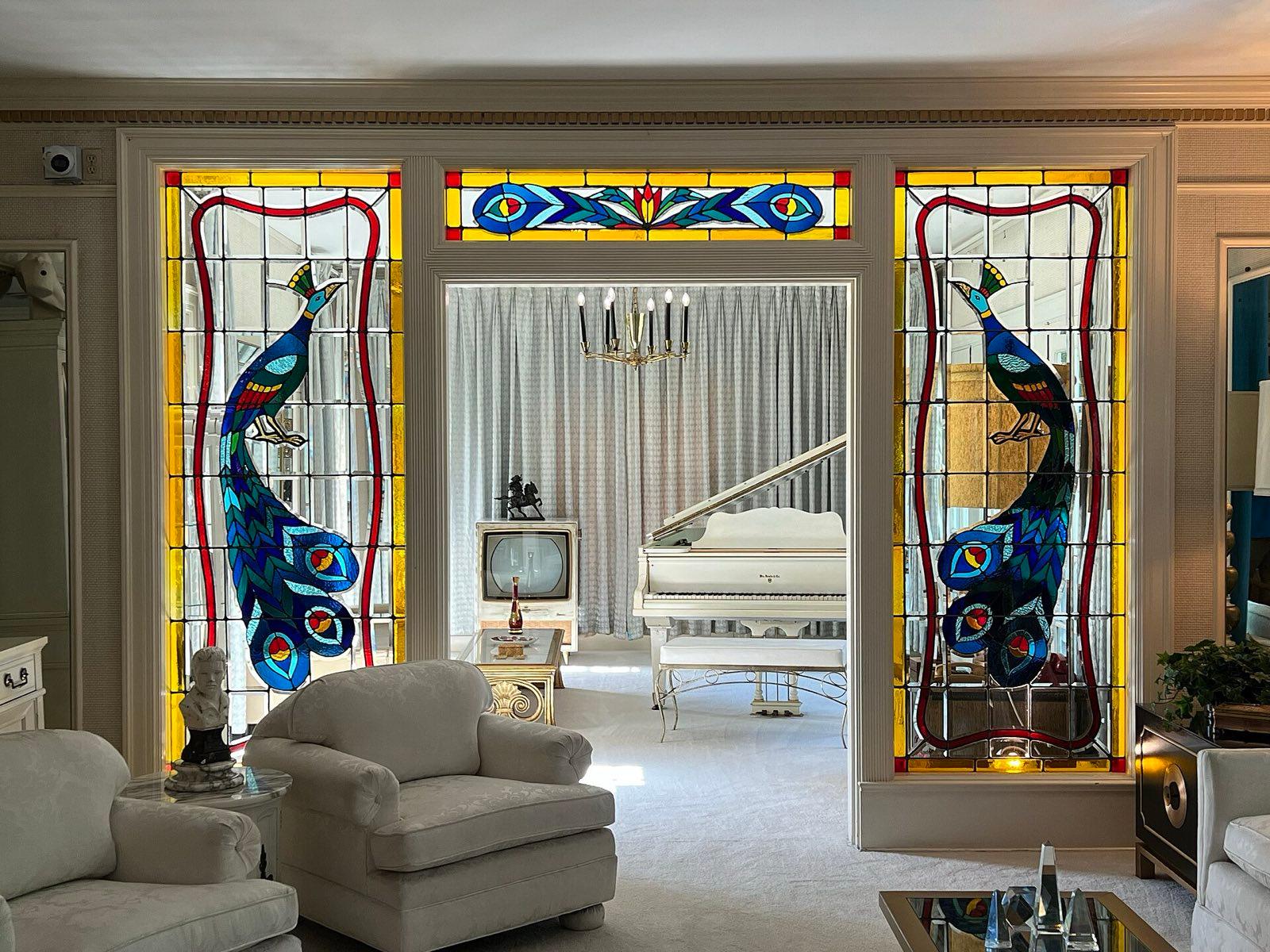
Check out after breakfast. Graceland lies about 10 km from Memphis International Airport, so the trip ends there: we take the first entry of the morning, at about 9 am, for the mansion tour. Elvis bought the house in 1957 at the age of 22, and the rooms are kept as they were in the 1970s, from the white living room with its peacock stained glass to the Jungle Room. The tour ends in the Meditation Garden, where he and his parents are buried. It is a lighter last morning after a week of hard history, and a reminder of how much American music grew out of the same streets. By about 11:30 am our driver takes you to Memphis International Airport (MEM), and your guide sees the group to departures and checks your flight. Book a flight leaving after about 1:30 pm. If yours leaves earlier, we arrange the transfer from the hotel at the time you need and you skip Graceland. Extra nights in Memphis can be added on request.
Included
Optional experiences
Activity: About an hour and a half on foot at Graceland. Book a flight leaving after about 1:30 pm.
Wildlife and weather: Spring and autumn bring warm, mostly dry days that suit the outdoor sites: the Memorial, the Pettus Bridge and Kelly Ingram Park. From June to September it is hot and humid, so outdoor visits move to the early morning; spring storms can bring heavy rain for an afternoon.
Get the day-by-day itinerary by email, or ask us anything about this trip. A trip planner replies the same or next business day.
Before you book
Book flights after we confirm your seat.
7 nights
Your hotels are named in your trip confirmation.
One price
When you can go
Pick your start date when you request to book. We check that date and confirm it in your quote.
Prefer to travel without a group or guide? Ask us about arranging hotels, transport and city tours for you to travel independently.
Before you book
Nothing is charged now. Full terms and the cancellation schedule come with your quote, before you accept.
Business addresses
See Sight Tours Trips (USA): 3172 N Rainbow Blvd, Las Vegas, NV 89108, United StatesSee Sight Tours Trips (Canada): 5305 50 Avenue, #1091, Red Deer, AB T4N 4B6, Canada+1-888-961-6584Guest reviews
Reviews from guests on our day tours.
5/5

5/5
5/5

5/5
5/5
5/5
Good to know
Seven central hotel nights, breakfast daily, five lunches and four dinners, airport transfers at both ends, our own vehicle and driver, your See Sight Tours guide throughout, local guides in Selma and at the churches, and every visit in the day plan: the King sites, the Legacy Museum and Memorial, the Rosa Parks Museum, the Birmingham Civil Rights Institute, the National Civil Rights Museum, Stax and Graceland.
The small-group trip runs with 7 to 12 guests, so we fit into a church sanctuary, the Dexter parsonage and a Selma café without queuing behind a coach, and there is room at dinner to talk over what you have seen.
A See Sight Tours guide travels with the group from Atlanta to Memphis and handles tickets, timings and the pace of each day. Local voices join where they belong: rangers at the National Park Service sites, church guides at Dexter Avenue and 16th Street, and a guide from the community in Selma. Local guides are paid a fair fee for their time.
Not very. Most days are museum and town walking on pavements, about 3 to 5 km, with up to three hours on your feet in the larger museums. Crossing the Edmund Pettus Bridge is a short walk with a slope, and you can ride across instead. Benches are available in the big museums, and you can sit out any visit.
Parts of it are. The Legacy Museum, the National Memorial and the 16th Street Baptist Church deal directly with lynching and the killing of children. Your guide prepares the group each morning and you can step out at any time. We suggest the trip for ages 12 and over; ask us about younger children.
The pace is steady, not rushed: one or two main visits a day, usually a 9 am start, lunch together, and a free evening in each city. Days 4 to 6, at the Legacy Museum, Selma and Birmingham, carry the hardest history, so we leave time between visits and your guide talks each one through in advance.
Only if you want a room of your own, which is from CAD 940 more. If you would rather share, tell us when you request to book and we will try to pair you with another solo traveller of the same gender. Meals and visits are with the group, so you never take on the hardest sites alone.
March to May and October to November, when days are warm rather than steamy for the outdoor sites. June to September is hot and humid, so we visit outdoor sites early. The Selma Bridge Crossing Jubilee in early March and the King holiday in January bring big crowds, and we plan departures around them.
Because the story does. Dr. King was killed at the Lorraine Motel in Memphis in 1968, during the sanitation workers' strike, and the National Civil Rights Museum there draws the whole trail together. Ending in Memphis also saves a return drive on the last morning: you fly home from Memphis International Airport after a Graceland tour.
Canadian citizens do not normally need one. Most other visitors need an approved ESTA or a US visa before they fly, so check your own requirements early. The visa or ESTA is not in the price.
Pick a start date and request to book; no payment is taken at that point. We confirm your place, your room and the price within 24 hours, then send the day-by-day plan and, once confirmed, the hotel names. Prices are per person sharing a room, with taxes, from CAD 5,530 for the small group.
Yes. Besides the small group, the trip runs as a private trip for your party only, on a date you choose, from CAD 9,955 per person. If you would rather travel independently on your own dates, ask us from the dates section and we will quote the same hotels, tickets and transfers.

See Sight Tours has been providing travel services across North America since 2006. Operating in 20 cities across Canada and the USA, the company specializes in small group tours that offer personalized, high-quality experiences for travelers.


© 2026 See Sight Tours. All rights reserved.

