Cornelius Amann
October 06, 2026

5/5
12 days from Kathmandu: fly to Pokhara, an 8-night teahouse trek via Ghandruk, Chhomrong and Bamboo to Machhapuchhre Base Camp and Annapurna Base Camp at 4,130 metres, back down via the Jhinu hot springs, then Pokhara and Kathmandu.
12 days · Round trip from Kathmandu · up to 12 guests
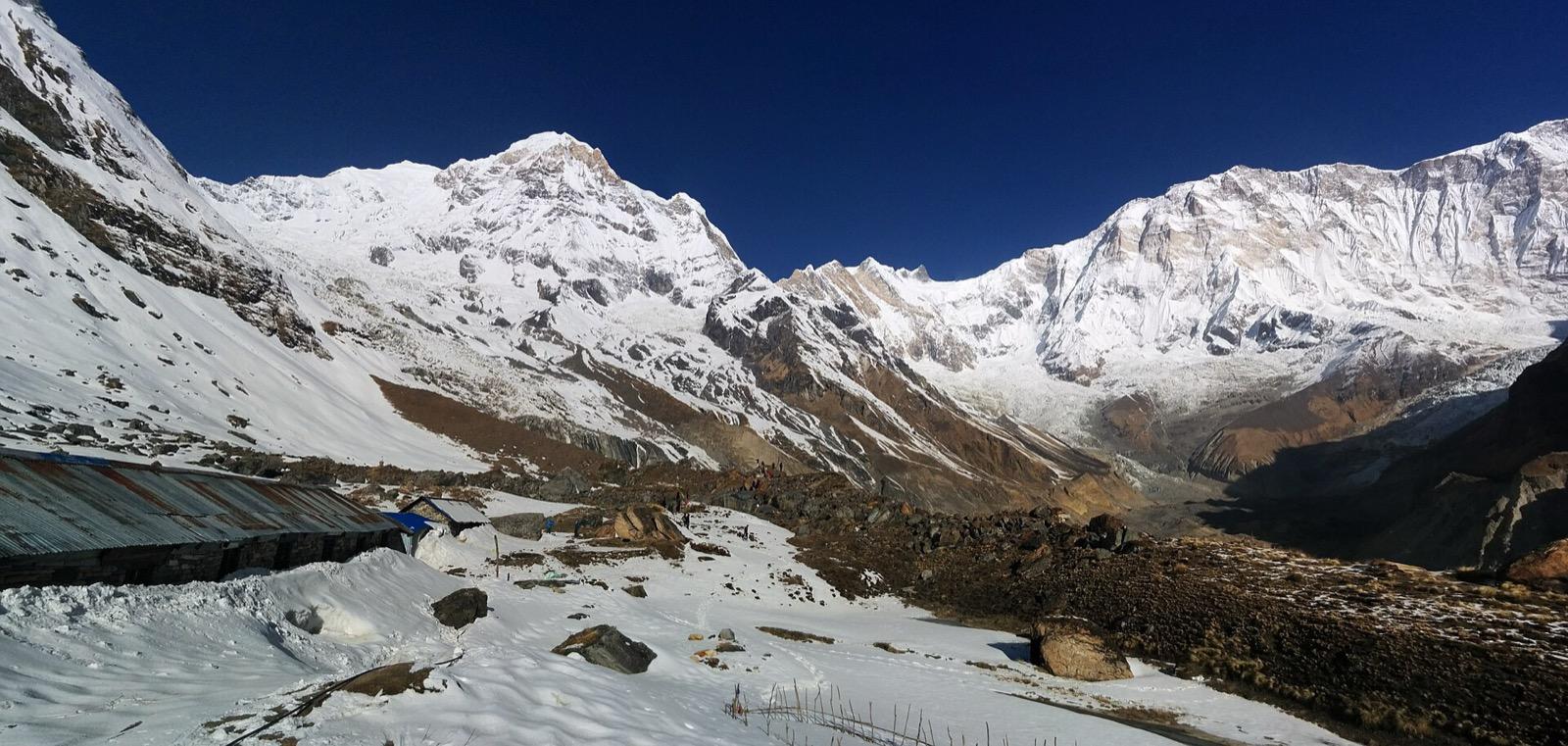
Annapurna Base Camp, photographed on a clear March morning in 2018 (snow cover varies by season) Photo: Ermakae, CC0, via Wikimedia Commons (https://commons.wikimedia.org/wiki/File:Annapurna_Base_Camp_PANO_20180327_074437.jpg), resized
The facts
Active
Nine trekking days (days 3 to 11), most of them 5 to 7 hours on foot on stone steps and rocky trail, with thousands of steps up and down around Chhomrong. You sleep at up to 4,130 metres at Annapurna Base Camp and spend two nights above 3,500 metres; day 7 is kept short, about 3 hours, to help you acclimatise. Day 9 is the long descent, 6 to 7 hours and about 1,800 metres down. Porters carry your bag; you carry a daypack. There is a jeep option on day 3, and on day 8 you can sleep at Machhapuchhre Base Camp and walk up to Annapurna Base Camp at dawn instead.
Highlights
Free time and choices are marked on the days they fall.
Day by day
Tap any stop on the map to open that dayClick any stop on the map to open that day
Tribhuvan International Airport to your hotel, then the old city on foot
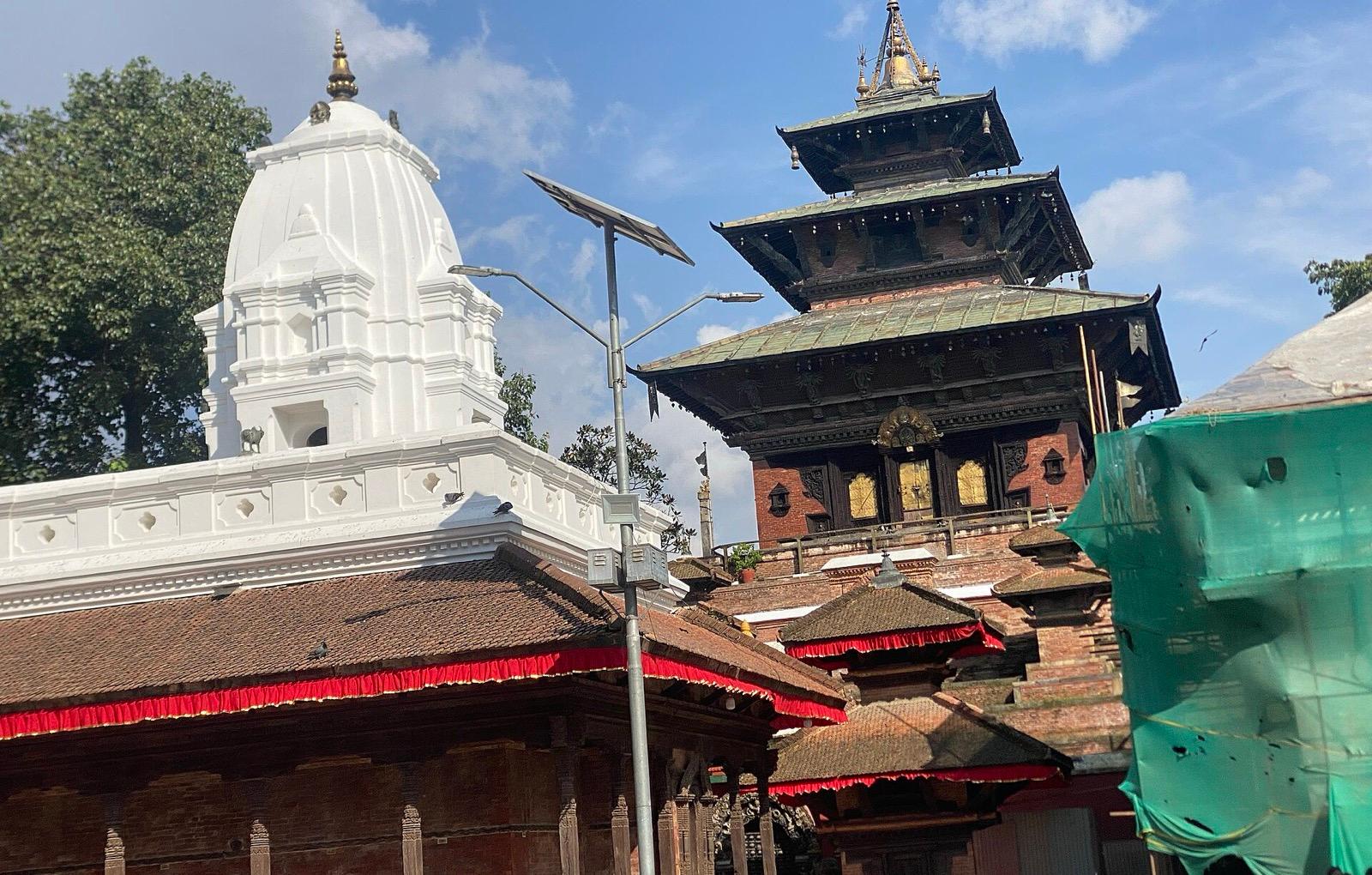
Welcome to Nepal. Sort out your visa before you travel (rules vary by passport; check Nepal's Department of Immigration), then a driver meets you outside arrivals at Tribhuvan International Airport for the short drive to your hotel near Thamel.
Evening
If you land by about 2 pm, join your See Sight Tours guide for a late-afternoon walk through the old city: south from Thamel through the spice and brass stalls of Asan and Indra Chowk to Kathmandu Durbar Square, where the temples and the old royal palace catch the low light and the evening crowds gather on the temple steps. In the evening the whole group meets for a welcome dinner of momos and dal bhat and a first briefing on the trek: how the days run, what goes in the duffel the porters carry, what stays in Pokhara, and how teahouses and altitude work. This is the only night in Kathmandu before the trek, so if you would like more time here, we can add nights before the trip starts.
Included
Free time: Free until the old city walk or the welcome dinner
Activity: About 2 hours on foot on the old city walk, on flat streets.
Kathmandu to Pokhara by plane, then Lakeside
Morning
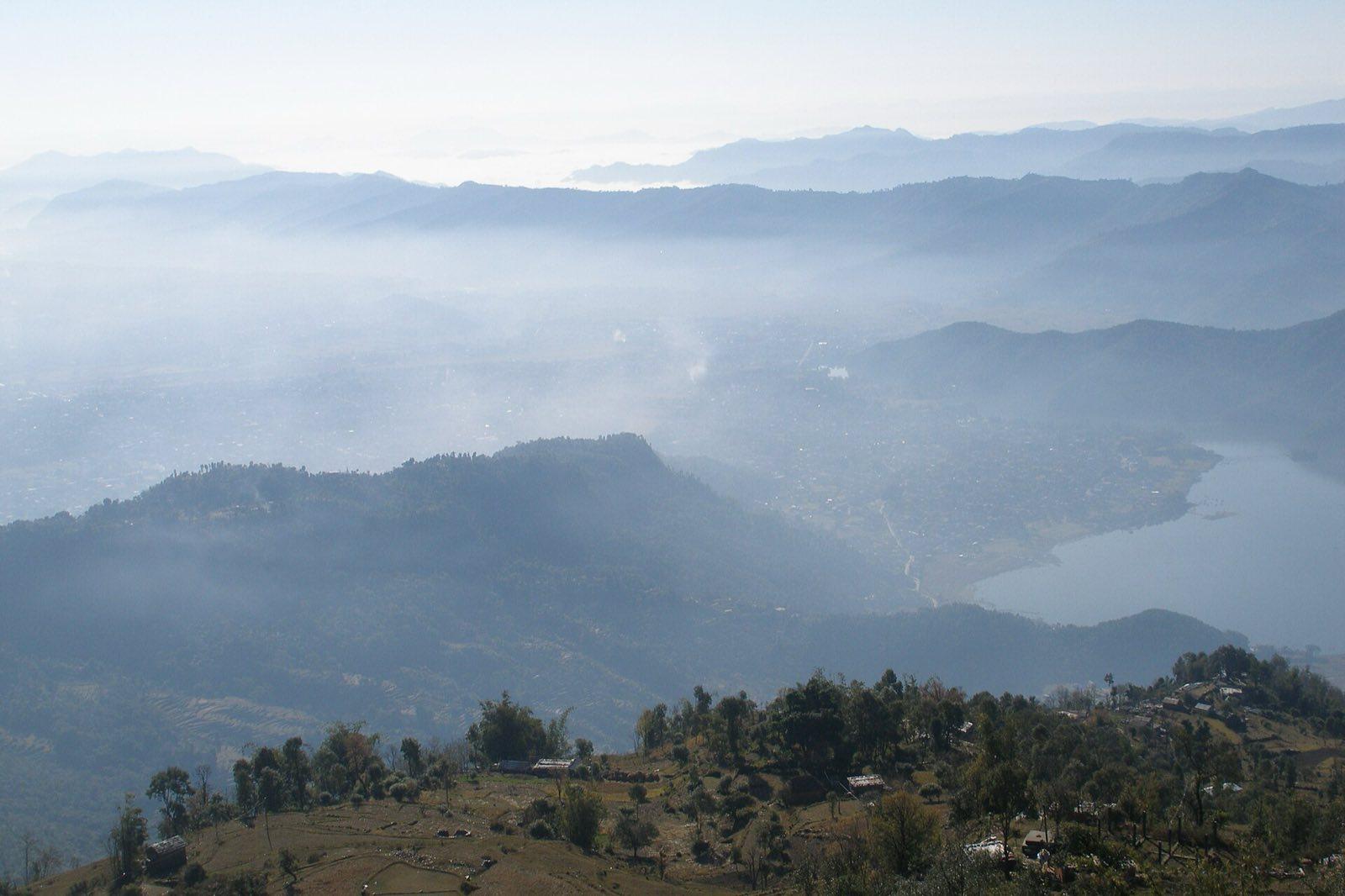
A morning flight west to Pokhara takes about 25 minutes, against roughly seven to nine hours by road (an estimate; road conditions vary). Sit on the right side of the plane: on a clear morning the Himalaya runs along the horizon, with the Annapurnas and the fishtail peak of Machhapuchhre ahead as you land.
Evening
We drive a few minutes to our hotel at Lakeside, on the shore of Phewa Lake, where we stay tonight and again on day 11, so whatever you do not need on the trail stays in the hotel storeroom. Lunch is a sit-down meal by the lake. Afterwards you meet your licensed Nepali trek leader and the porters, pack your duffel (up to 10 kg), collect the sleeping bag and down jacket we lend, and go through the trek day by day, including how we watch for altitude sickness. Late afternoon and evening are free: walk the lakeshore, buy any last gear, or have an early night.
Included
Free time: Late afternoon and evening free at Lakeside
Pokhara to Nayapul by road, then on foot via Birethanti and Kimche to Ghandruk
Morning
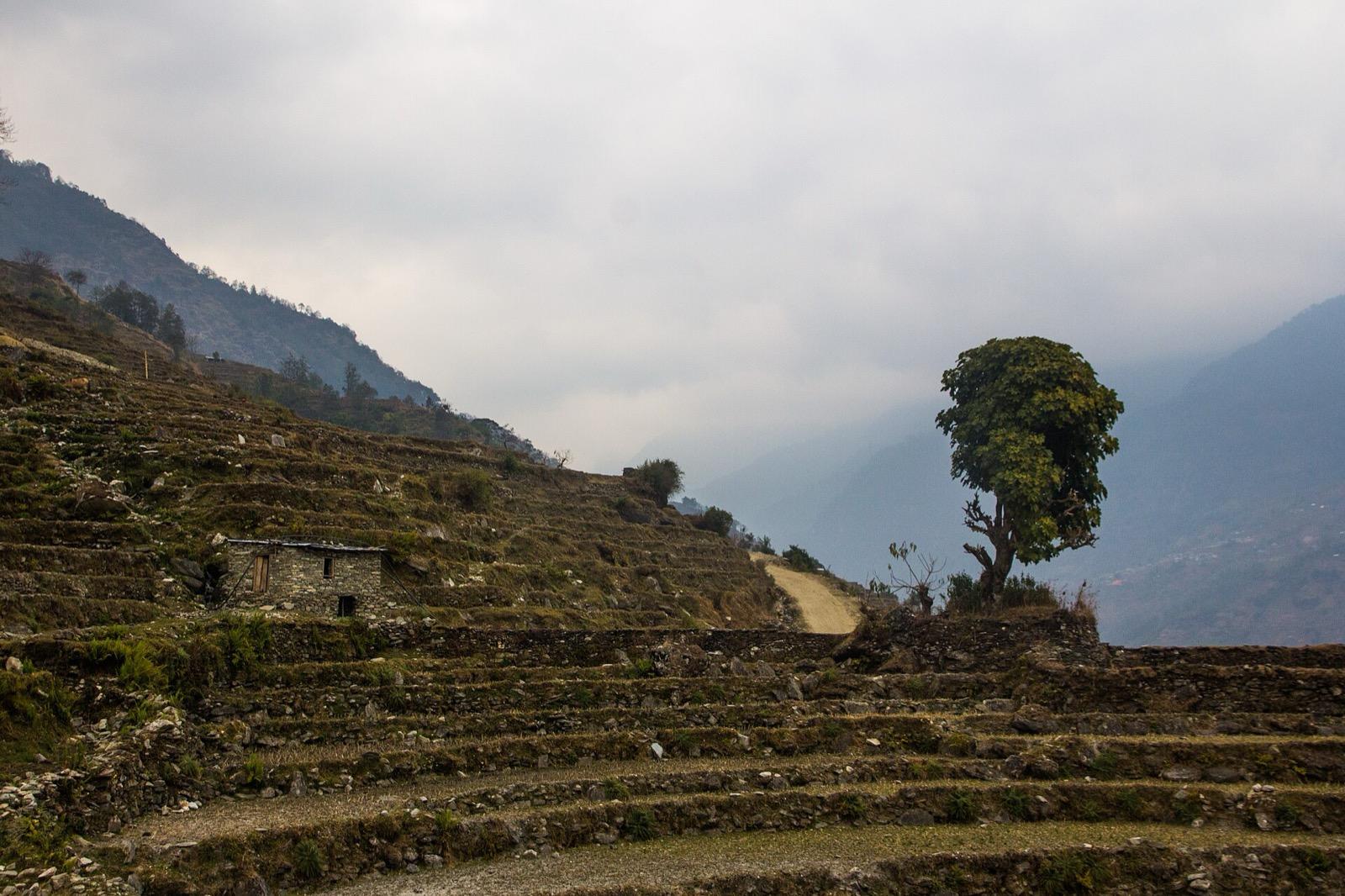
After breakfast we drive about an hour and a half west to Nayapul, where the trek begins at about 1,000 metres. At Birethanti, where the Modi and Bhurungdi rivers meet, the conservation area checkpoint stamps your permit.
Afternoon
The trail follows the Modi Khola upstream past rice terraces, water buffalo and small shops to Syauli Bazaar, where we stop for lunch, then climbs on stone steps to Kimche and up the hillside to Ghandruk. This is a large Gurung village of stone houses and slate roofs spread across a terraced slope at about 1,940 metres; many men from villages like this have served as Gurkha soldiers. If we arrive in time, we visit the Old Gurung Museum, a traditional house kept with farm tools, clothes and household objects.
Evening
On a clear evening Annapurna South, Hiunchuli and Machhapuchhre stand at the head of the valley. About 5 to 6 hours on foot and roughly 900 metres of climbing.
Included
Easier option: Where the jeep road is open, ride on to Kimche with the porters' bags and walk only the last 1.5 hours up to Ghandruk.
Free time: Late afternoon free in Ghandruk
Activity: About 5 to 6 hours on foot with roughly 900 m of climbing, the last part on stone steps. Distances and drive times to be confirmed at quoting.
Ghandruk to Chhomrong via Kimrong Danda and the Kimrong Khola
Morning
We leave Ghandruk after breakfast, while the mountains are clear, and climb through oak and rhododendron forest to a ridge at Kimrong Danda, roughly 2,600 metres, with the first long view up the Modi valley towards the Sanctuary.
Afternoon
From the ridge the trail drops steeply to the Kimrong Khola, where we stop for lunch by the river, then climbs again across terraced fields and along the hillside to Chhomrong. This is the last permanent village in the valley, a Gurung settlement of stone houses on a steep slope at about 2,170 metres, looking straight across at Annapurna South and Hiunchuli, with Machhapuchhre's twin summit up the valley. Arriving by mid-afternoon leaves time for a hot shower and a bakery stop if the lodges have one.
Evening
Tonight is the last village before the Sanctuary; your guide will tell you what the lodges above here serve, and menus there are usually vegetarian. About 6 hours on foot.
Included
Free time: Late afternoon free in Chhomrong
Activity: About 6 hours on foot: about 650 m up to the ridge, 800 m down to the river and 400 m up to Chhomrong.
Chhomrong to Bamboo via the Chhomrong Khola and Sinuwa
Today begins with the staircase Chhomrong is known for: a long flight of stone steps down through the village to a suspension bridge over the Chhomrong Khola, and another flight up the far side to Sinuwa, where we stop for tea and the view back across the gorge. From Sinuwa the trail enters the main Modi Khola valley and the character of the trek changes. There are no more villages, only lodges, and the path runs through dense forest of oak, rhododendron and bamboo, wet with streams, where langur monkeys are sometimes seen in the trees.
Evening
We have lunch at Bamboo itself, a small cluster of lodges in a clearing on the river, and stay the night here, which leaves a free afternoon to rest your legs. The gorge is narrow and gets little sun, so evenings are cool and damp. About 4.5 to 5.5 hours on foot.
Included
Free time: Afternoon free at Bamboo
Activity: About 4.5 to 5.5 hours on foot, with about 500 m down and 600 m up on stone steps.
Bamboo to Deurali via Dovan, Himalaya and Hinku Cave
A steady climb all day up the west side of the Modi Khola.
Afternoon
The trail rises through bamboo and then mossy rhododendron forest past the lodges at Dovan, crosses side streams on stepping stones and reaches Himalaya, at about 2,920 metres, where we stop for lunch. Above Himalaya the trees thin out and the trail gets rockier, passing Hinku Cave, a rock overhang beside the trail, and crossing open slopes where the cliffs close in on both sides.
Evening
Deurali sits at about 3,200 metres, the first night above 3,000. We walk slowly, drink plenty of water, and your guides check how everyone is feeling at dinner, as they will every evening from here up. From late autumn through spring this upper section can carry snow, and the stretch from Hinku Cave towards Machhapuchhre Base Camp is where avalanches are reported after snowfall; if local advice says the trail is unsafe, the group waits or turns back. About 5 to 6 hours on foot and about 900 metres of climbing.
Included
Activity: About 5 to 6 hours on foot with about 900 m of climbing, to a sleeping height of about 3,200 m.
Deurali to Machhapuchhre Base Camp
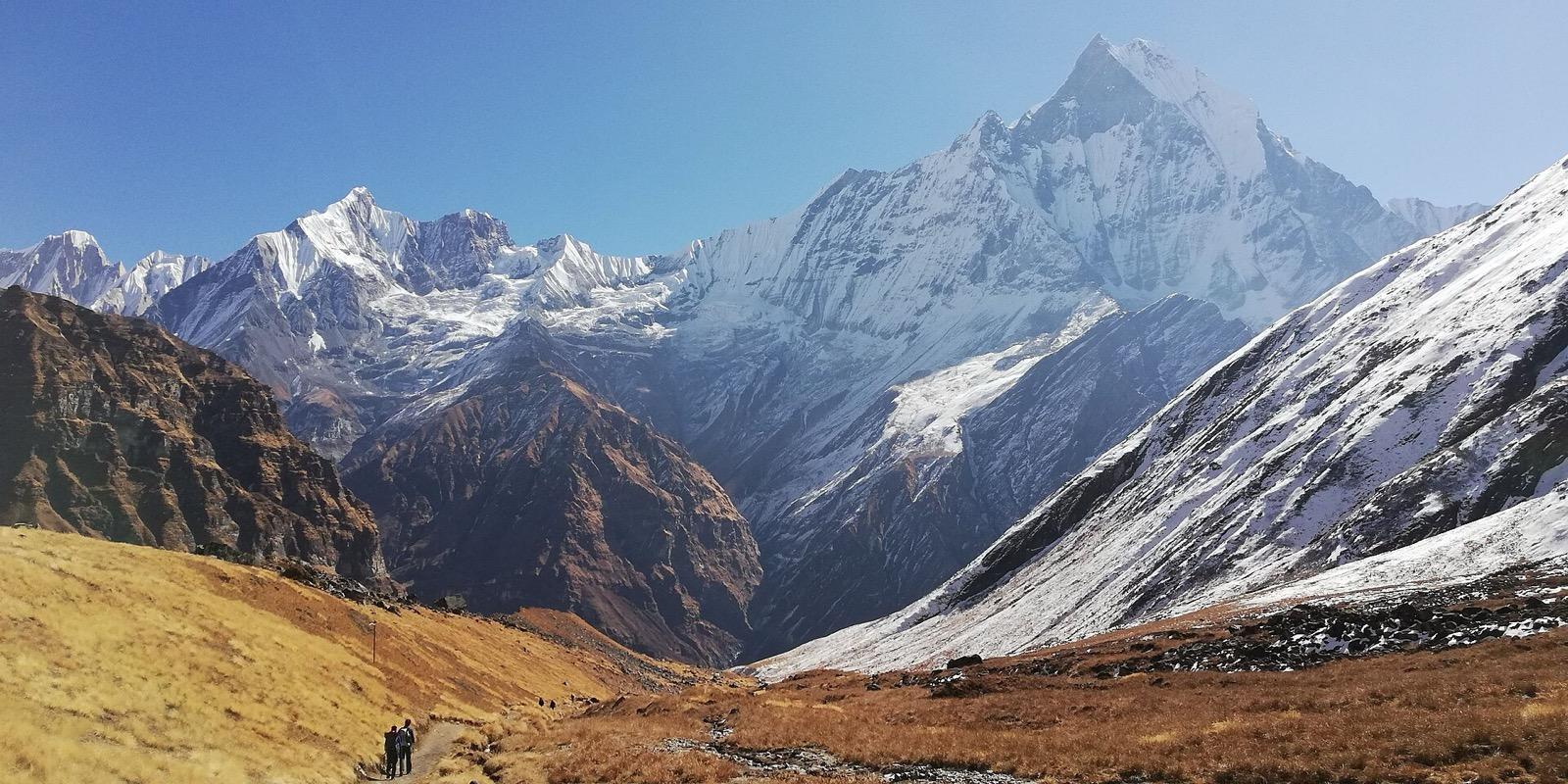
A short day on purpose. The trail climbs out of the gorge past the last scrub and into the Sanctuary itself, a wide glacial valley of grass and moraine where the walls of the Annapurna massif open out on every side. Machhapuchhre Base Camp sits at about 3,700 metres, directly below the sharp fishtail summit of Machhapuchhre, a mountain reported to be closed to climbing.
Afternoon
We arrive by late morning, about 2.5 to 3 hours from Deurali, and have lunch at the lodge. The afternoon is for acclimatising: rest, drink, and if you feel well, walk slowly up the slope behind the lodges for an hour with your guide and come back down to sleep, which helps the body adjust.
Evening
Cloud often builds in the valley after midday; on a clear evening the light can turn the ice on Machhapuchhre and Annapurna South pink. The night is cold, so the down jacket earns its place.
Included
More active option: An acclimatisation walk of about an hour up the slope behind the lodges with your guide, back down to sleep.
Free time: Afternoon free to rest and acclimatise
Activity: About 2.5 to 3 hours on foot with about 500 m of climbing, to a sleeping height of about 3,700 m.
Machhapuchhre Base Camp to Annapurna Base Camp, then the moraine viewpoint
Morning
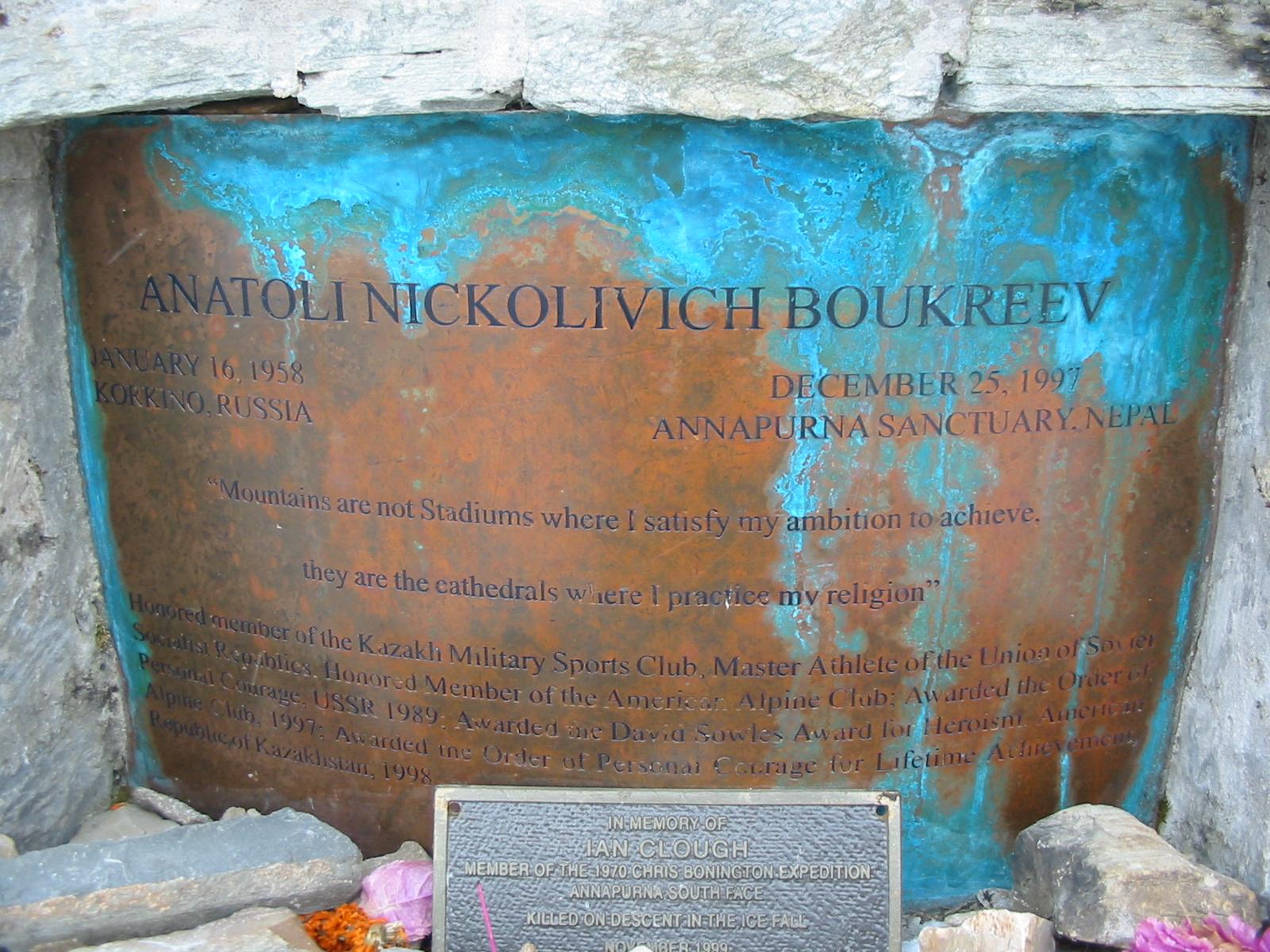
We set off after breakfast, while the morning is clear, for the slow two-hour climb across the open valley to Annapurna Base Camp at 4,130 metres, the high point of the trip. The lodges sit in a ring of peaks: Annapurna I, at 8,091 metres the tenth highest mountain in the world, with Annapurna South, Hiunchuli, Gangapurna, Annapurna III and Machhapuchhre all around. Prayer flags and memorial stones for climbers who died on Annapurna stand at the edge of camp.
Afternoon
After lunch, if you feel well, walk a few minutes to the moraine ridge above the South Annapurna Glacier with your guide. The afternoon is for resting and drinking water.
Evening
On a clear evening the sunset light can reach the face of Annapurna I. This is the coldest night, well below freezing, in a very basic lodge with shared rooms likely in October, and you may sleep poorly at this height, which is normal.
Included
Easier option: If the altitude is bothering you, stay a second night at Machhapuchhre Base Camp with one of the guides, then walk up to Annapurna Base Camp at dawn on day 9 for sunrise and rejoin the group.
Free time: Afternoon free at base camp
Activity: About 2 hours on foot with about 430 m of climbing, to a sleeping height of 4,130 m.
Annapurna Base Camp to Bamboo via Machhapuchhre Base Camp, Deurali and Himalaya
Morning
No climb is needed for sunrise: step out of the lodge before dawn; in clear weather the first light reaches the summit of Annapurna I and moves along the ring of peaks. After a hot breakfast we head down the way we came, and the air thickens with every hour.
Afternoon
We pass Machhapuchhre Base Camp, drop through the rocky upper gorge to Deurali and stop for a long lunch at Himalaya, then follow the forest trail back down to the lodges at Bamboo. This is the longest day of the trek, 6 to 7 hours and about 1,800 metres of descent, and it is hard on the knees; poles help, and we take it at a steady pace with rests.
Evening
Most people sleep much better tonight at about 2,310 metres. If anyone stayed at Machhapuchhre Base Camp, they come up for sunrise and walk down with the group.
Included
Activity: The longest day: 6 to 7 hours on foot, about 1,800 m of descent on rocky trail and steps.
Bamboo to Jhinu Danda via Sinuwa and Chhomrong, then the hot springs
Morning
A morning of ups and downs.
Afternoon
From Bamboo the trail climbs back to Sinuwa, drops to the bridge over the Chhomrong Khola and climbs the long staircase up through Chhomrong, where we stop for lunch with Annapurna South now behind us. From the top of the village a steep descent on stone steps brings us down through terraced fields to Jhinu Danda, a small settlement on a ridge at about 1,780 metres. We arrive in the early afternoon, drop our bags and walk about 20 minutes down to the hot springs, a set of warm pools on the bank of the Modi Khola, for a soak after eight days on the trail. The walk back up takes about half an hour.
Evening
The evening is the warmest of the trek, and there is often time to sit outside before dinner. About 5 to 6 hours on foot, plus the hot springs.
Included
Easier option: Skip the walk down to the hot springs and rest at the lodge.
Free time: Late afternoon free in Jhinu Danda
Activity: About 5 to 6 hours on foot with about 600 m up and 1,100 m down on stone steps, plus about 50 minutes to the hot springs and back.
Jhinu Danda to Siwai on foot, then by road to Pokhara and a boat on Phewa Lake
Morning
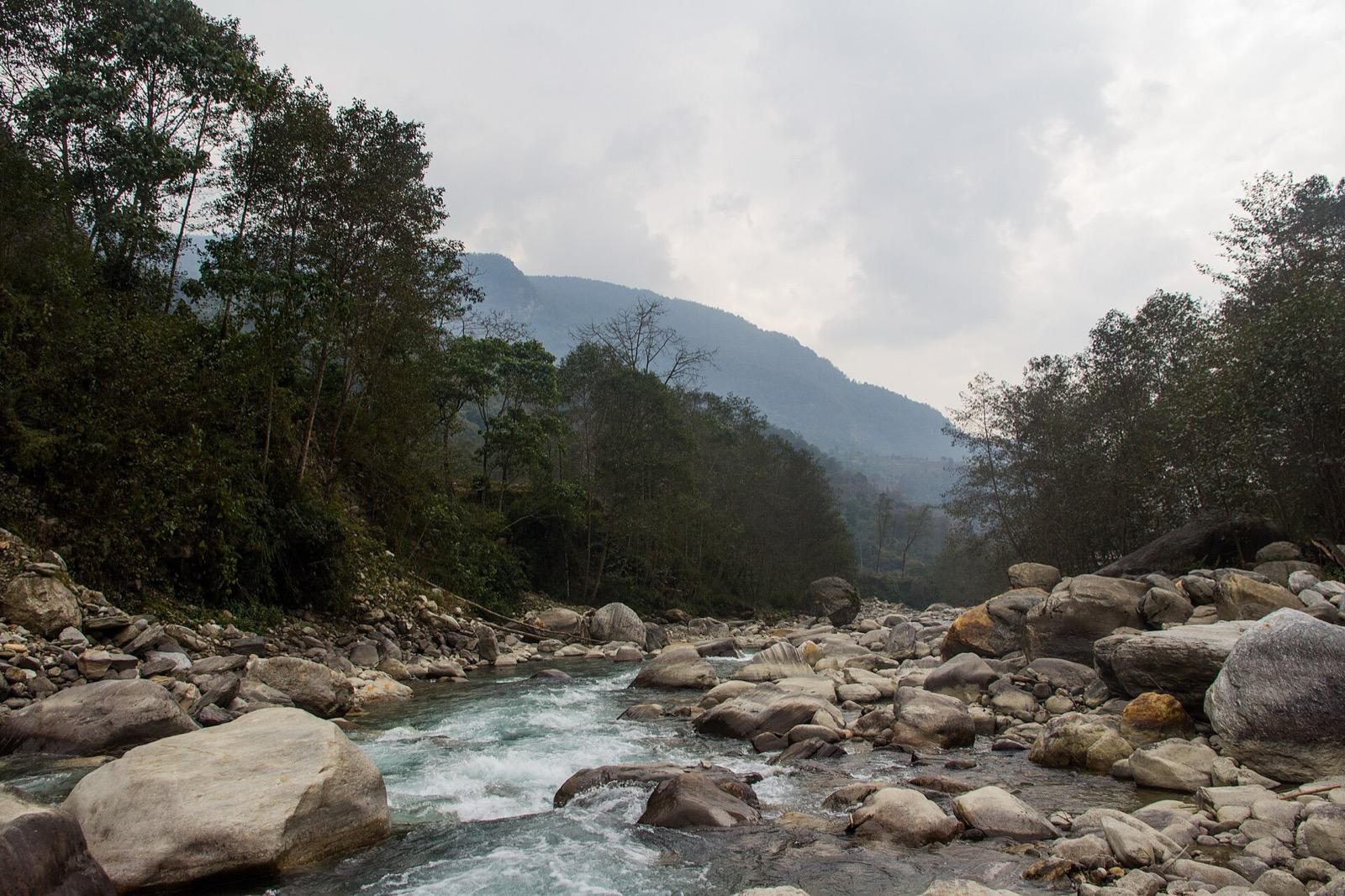
The last morning on the trail is short and gentle. We follow the Modi Khola downstream on a broad path past fields and suspension bridges to the road head at Siwai, about 2 hours, where our vehicle meets us. If the jeep track is in good order, we may meet it a little higher, at New Bridge.
Afternoon
The drive back to Pokhara takes about 2.5 hours on a rough road at first, then the Baglung highway, and we stop for lunch on the way. After a hot shower at the Lakeside hotel and your stored luggage, we walk to the boat landing in the late afternoon and cross Phewa Lake in a wooden rowing boat to the island temple of Tal Barahi, as the light goes gold over the water.
Evening
In the evening we sit down for an end-of-trek dinner with the trek leader and porters, a chance to thank the crew.
Included
Free time: Free time between arrival and the boat
Activity: About 2 hours on foot, mostly level or downhill, then about 2.5 hours by road. Distances and drive times to be confirmed at quoting.
Pokhara to Kathmandu by plane, Pashupatinath, then Tribhuvan International Airport
Morning
A morning flight back to Kathmandu, about 25 minutes; sit on the left side of the plane for a last look at the Annapurnas. If your flight home leaves from about 4 pm onwards, your guide takes you to Pashupatinath, a short drive from the airport: the great Hindu temple on the Bagmati River, where non-Hindus are reported to be unable to enter the main shrine but everyone can watch from the terraces across the river, where the river terraces look across to the temple complex. Then we drive you to Tribhuvan International Airport; allow three hours before an international departure.
Evening
Book your flight home for the evening if you can. Cloud sometimes delays or cancels the Pokhara flight, and the road takes roughly seven to nine hours (an estimate), so a later flight, or an extra night in Kathmandu that we can add, protects your connection. If you would like longer in Nepal, we can also link this trek to our classic Kathmandu, Chitwan and Pokhara trip.
Included
Activity: Book a flight home leaving Kathmandu in the evening of day 12, or ask us to add a Kathmandu night.
Wildlife and weather: Autumn (October and November) is usually the clearest season, with very cold nights at Annapurna Base Camp. March and April are milder, with the rhododendron forest below Chhomrong and Sinuwa in flower, but cloud builds earlier and snow can lie above Deurali. Cloud often fills the valley by late morning, so the base camp views are timed for sunset and sunrise. After snowfall the section between Hinku Cave, Deurali and Machhapuchhre Base Camp can be unsafe for avalanches; the trek leader follows local advice and the group waits or turns back. Nepal Tourism Board lists March to May and September to November as the recommended windows for the Annapurna region and warns that winters are extreme with snowfall at altitude.
Get the day-by-day itinerary by email, or ask us anything about this trip. A trip planner replies the same or next business day.
Before you book
Book flights after we confirm your seat.
11 nights
Your hotels are named in your trip confirmation.
One price
When you can go
Pick your start date when you request to book. We check that date and confirm it in your quote.
Prefer to travel without a group or guide? Ask us about arranging hotels, transport and city tours for you to travel independently.
Before you book
Nothing is charged now. Full terms and the cancellation schedule come with your quote, before you accept.
Business addresses
See Sight Tours Trips (USA): 3172 N Rainbow Blvd, Las Vegas, NV 89108, United StatesSee Sight Tours Trips (Canada): 5305 50 Avenue, #1091, Red Deer, AB T4N 4B6, Canada+1-888-961-6584Guest reviews
Reviews from guests on our day tours.
5/5

5/5
5/5

5/5
5/5
5/5
Good to know
The proposed itinerary is built around 11 nights in Kathmandu and Pokhara hotels and trek teahouses, both flights between Kathmandu and Pokhara (to be quoted), airport transfers, porters, permits and TIMS card as set out in the quote, trek meals with drinking water, the Phewa Lake boat, the Kathmandu visits, a licensed trek leader and a See Sight Tours guide. Hotels, teahouses and suppliers are not named or contracted yet. Sending an enquiry takes no payment and confirms nothing; the written quote sets the final price, taxes, inclusions, operator and terms.
Hard but not technical. You walk 5 to 7 hours a day on most of nine trekking days, on stone steps and rocky trail, with a 6 to 7 hour descent on day 9. No climbing skills are needed. Operators describe it as achievable for fit hill walkers who can hike for six hours on consecutive days. Train on stairs for two months beforehand.
It is possible. Headaches and poor sleep are common at these heights, and the Government of Canada's advice for Nepal warns that acute mountain sickness can be deadly. The plan keeps the day to Machhapuchhre Base Camp short and the guides check how everyone is feeling each evening, but this is not medical advice: speak to a doctor before you ask for a quote, especially about heart or lung conditions.
Basic. Family-run lodges with simple rooms, beds and blankets, and a shared dining room. Rooms are unheated and above Chhomrong toilets are shared. Teahouses are allocated by the guide on the day, not pre-named, and at the two base camps rooms can be multi-bed in the busy autumn weeks. Hot showers and charging depend on the lodge and are sometimes paid extra. A sleeping bag and down jacket to borrow are part of the proposal.
The proposal is a See Sight Tours guide from arrival to departure plus a licensed Nepali trek leader on the trail; no operator is contracted yet. Porters are planned at one for every two guests, carrying a duffel of up to 10 kg. You carry a daypack with water, layers and a camera, and the rest waits at the Pokhara hotel.
The small-group trip runs with 7 to 12 guests, so the group fits in one teahouse dining room and moves at a pace everyone can manage. With two guides, one can walk slowly with anyone who needs it or go down with someone who is unwell. If you would like fewer people, the private version is your party only.
Single rooms are quoted as a supplement and are the easiest to guarantee in Kathmandu and Pokhara. In the teahouses they are on request, and at the two base camps singles are rare in the busy weeks. If you would rather share, say so in your enquiry and we will tell you what can be arranged before anything is confirmed.
The plan is for October and November, usually the clearest with very cold nights at base camp, and March and April, milder but cloudier. Nepal Tourism Board recommends March to May and September to November for the Annapurna region. The monsoon runs from June to September, when heavy rain brings landslides on hill roads, and in winter snow and avalanche risk can close the trail above Deurali. Departures are not set; the written quote confirms dates.
Visa rules vary by passport and change, so check Nepal's Department of Immigration. Nepal Tourism Board lists a licensed guide and an agency-issued TIMS card as mandatory on many Annapurna routes (rule effective 31 March 2023). Whether this exact route is covered, and the ACAP entry permit, are to be confirmed at quoting. Permits and a licensed guide are arranged at quoting; rules change. You also need insurance covering trekking and helicopter evacuation.
Choose Annapurna Base Camp if you are fit, have 12 days and want to sleep inside the ring of peaks at 4,130 metres. Our Poon Hill trek is 10 days with four trekking days, tops out at 3,210 metres and suits a first trek. Our Kathmandu, Chitwan and Pokhara trip has no trekking nights at all.
The private version is your party only, on a date you choose, with its own guides and porters; it is a proposal, quoted on request. Tell us your dates and group size in your enquiry and we will quote the flights, hotels, permits, trek leader and porters.
No price is shown yet. Internal planning figures are not offers. Send an enquiry with your group size and months and we send a written quote with the final price, taxes, inclusions, operator and terms. An enquiry takes no payment and confirms no booking.
The Government of Canada's travel advice for Nepal, the page, which showed an update date of 3 November 2026 when we read it on 9 November 2026, says to exercise a high degree of caution with regional advisories, and to avoid non-essential travel to the Trishuli River corridor in Rasuwa and Nuwakot, which is not on this route. It also says never to trek alone and to hire an experienced guide from a reputable company, and warns of helicopter rescue and insurance scams. Read the current page before you travel; advice changes.
The plan uses short domestic flights, about 25 minutes, with the airline and fares to be quoted. Cloud can delay or cancel them, and the road alternative is roughly seven to nine hours, so a flexible flight home from Kathmandu or an extra Kathmandu night is wise. Which airline flies and who pays for a weather fallback are set in the quote.
Reports describe the stretch between Hinku Cave, Deurali and Machhapuchhre Base Camp as the avalanche-exposed section, mainly in winter and after snowfall, with wet-snow slides possible in spring. The plan is autumn and spring; the trek leader follows local advice, and the group waits or turns back if the trail is unsafe. No trek is risk-free.

See Sight Tours has been providing travel services across North America since 2006. Operating in 20 cities across Canada and the USA, the company specializes in small group tours that offer personalized, high-quality experiences for travelers.


© 2026 See Sight Tours. All rights reserved.

