Cornelius Amann
October 06, 2026

5/5
16 days from Windhoek to Maun: Sossusvlei at dawn, Swakopmund, Damaraland, three nights in Etosha, the Caprivi Strip, Chobe by land and river, and two nights at a fly-in camp in the Okavango Delta.
16 days · Windhoek to Maun · up to 12 guests
The Chobe River at Kasane, the border between Botswana and Namibia Photo: Pavel Špindler, CC BY 3.0, via Wikimedia Commons (https://commons.wikimedia.org/wiki/File:%C5%98eka_Chobe_River_v_Kasane,_hranice_Botswany_a_Namibie_-_Botswana_-_panoramio.jpg)
The facts
Moderate
Mostly time in a vehicle and short walks: a 30 to 60 minute dune climb and about 1 km on sand to Deadvlei on day 3, about 1 to 2 hours on rocky paths at Twyfelfontein, a guided walk of 1 to 3 hours at dawn in the Okavango Delta, and getting in and out of a mokoro. Six days have 5 to 7 hours on the road; every climb and walk can be sat out.
Highlights
Free time and choices are marked on the days they fall.
A room of your own is + CAD 2,155 (estimated price).
Day by day
Tap any stop on the map to open that dayClick any stop on the map to open that day
Hosea Kutako International Airport to your hotel in Windhoek
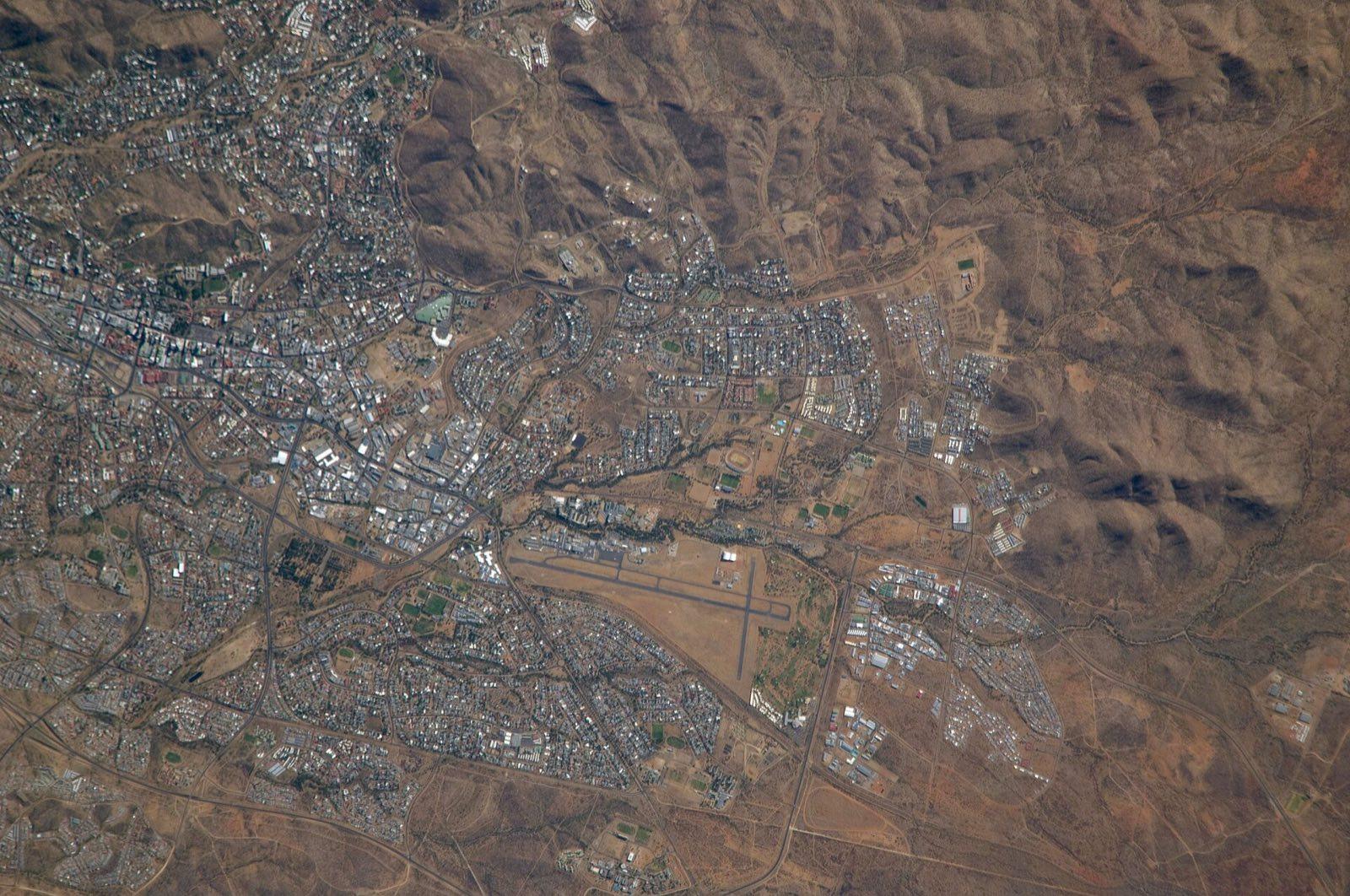
Fly into Hosea Kutako International Airport (WDH), about 45 km east of Windhoek, where a driver meets you in the arrivals hall. The road into the capital crosses open thornveld and climbs gently to the city, which sits at about 1,650 m in a bowl of hills, so evenings are cool even in the dry season.
Afternoon
The afternoon is yours to rest after the long flight or walk out from the hotel to Independence Avenue, the Christuskirche and the craft stalls near the centre.
Evening
In the early evening your See Sight Tours guide meets the group for a briefing on the sixteen days ahead: the long road days and why they fall where they do, the border into Botswana, the soft bags you will need for the light aircraft, and what to wear on cold dawn drives. Then we sit down together for a welcome dinner at a local restaurant, with Namibian game and grills on the menu.
Included
Free time: Free until the evening briefing
Activity: Plan to land by about 3 pm to make the evening briefing; the exact latest arrival is confirmed with your final itinerary.
Windhoek south to Rehoboth, then west on gravel to Sesriem
One of the long days, about 330 km and five hours of driving, most of it on gravel, because there is no shorter way from the capital to the dunes.
Morning
We leave after breakfast and drive south on tar to Rehoboth, then turn west onto gravel and drop off the edge of the central plateau, where the farmland gives way to wide plains, mountain ridges and the first red sand.
Afternoon
We stop for coffee and to stretch, and lunch is a proper sit-down meal on the way, not a box in the van. Watch for oryx, springbok and ostrich close to the road. We reach the lodge near Sesriem in the middle of the afternoon, with time for the pool before a late walk into Sesriem Canyon, a narrow gorge about 30 m deep cut by the Tsauchab River, at its coolest and best lit around 5 pm.
Evening
Dinner is at the lodge.
Included
Easier option: Skip the canyon walk and stay at the lodge for the pool and the sunset.
Free time: Free time at the lodge before the canyon walk
Activity: About 1 km on sand and loose rock in the canyon, with a short scramble down at the entrance.
Sesriem gate to Dune 45, Sossusvlei and Deadvlei, and back
Morning
We are at the Sesriem gate when it opens, around sunrise, and drive into the Namib Sand Sea, listed by UNESCO in 2013, while the light is low and the dunes glow orange and red. Dune 45, over 170 m high, is about 45 km in and the first stop: climb the ridge for 30 to 60 minutes, or watch the shadows shorten from the bottom with a coffee. We drive on to the end of the tar road, about 60 km from the gate, where a 4x4 shuttle, included, takes us over the last sandy stretch to Sossusvlei at about 65 km, and from there it is about 1 km on foot across the sand to Deadvlei, a white clay pan where camel thorn trees, dead for centuries, stand black against the dunes.
Afternoon
We are walking out again before the midday heat. Back at the lodge, lunch, a swim and the hottest hours free.
Evening
Dinner is at the lodge, and with no town nearby the stars are bright after dark.
Included
Easier option: Stay at the foot of Dune 45, and take the shuttle to Sossusvlei only, which is a short walk from the drop-off, instead of crossing the sand to Deadvlei.
More active option: Climb Big Daddy, the tall dune above Deadvlei, and run down its face to the pan; allow about two hours.
Free time: Afternoon free at the lodge
Activity: Early start, before 6 am in the cooler months. About 1 km each way on soft sand to Deadvlei, and a 30 to 60 minute climb on Dune 45 if you choose it.
Sesriem to Solitaire, over the Gaub and Kuiseb passes to Walvis Bay, then up the coast to Swakopmund
A long day on the road, about 350 km and five and a half hours of driving, but it is one of the most varied drives in Namibia and we break it often. First stop is Solitaire, a fuel stop and bakery among old car wrecks and cacti, known for its apple strudel. Then the road climbs over the Gaub and Kuiseb passes through bare, folded rock, and crosses the Tropic of Capricorn, where we stop for the sign.
Afternoon
We drop to the coast at Walvis Bay, where a sit-down lunch looks over the lagoon, often pink with flamingos. The last half hour runs north along the Atlantic with dunes on one side and the cold surf on the other. We arrive in Swakopmund in the middle of the afternoon, with time for a walk past the German colonial buildings to the jetty.
Evening
Dinner tonight is yours to choose in town.
Included
Free time: Evening free in Swakopmund
Activity: The coast is cool and often foggy, even when the desert is hot; keep a warm layer to hand.
Swakopmund and the dunes towards Walvis Bay
A slow day after four days of desert and road.
Morning
In the morning, while the coastal fog is still lying on the dunes, a local guide takes us out on the Living Desert tour between Swakopmund and Walvis Bay.
Evening
It is a tour about small things: the fog that lets beetles, geckos, chameleons, sidewinder adders and the transparent Namib dune gecko survive in sand that gets almost no rain, and the tracks they leave by night. The guide reads them off the dune face as you watch, and you walk short stretches on soft sand between the 4x4 stops. We are back in town before lunch. The afternoon and evening are free: the Swakopmund Museum, the Kristall Galerie, coffee and cake in one of the old German cafés, the jetty at sunset, or a ride on the dunes. Lunch and dinner are yours to choose in town.
Included
Optional experiences
More active option: Take an optional sandboarding session in the afternoon; the price is shown when you book.
Free time: Afternoon and evening free
Activity: Short walks on soft sand between the vehicle stops.
Swakopmund to Henties Bay, inland past the Brandberg to Uis, then north on gravel to Twyfelfontein
Another long day, about 380 km and six and a half hours of driving, much of it on gravel, because Damaraland has no direct road from the coast; it is the price of reaching the rock engravings and the desert elephants. We go north along the Atlantic to Henties Bay, then turn inland across gravel plains where the fog stops and the light sharpens. The Brandberg, Namibia's highest mountain at about 2,570 m, rises alone on the plain to the north.
Afternoon
We stop for coffee and a sit-down lunch in the small mining town of Uis, then take the gravel north through dry riverbeds and red and orange ranges, watching for springbok, oryx and the first giraffe. We reach the lodge near Twyfelfontein in the late afternoon, in time to watch the sun go down over the mountains with a drink.
Evening
Dinner is at the lodge, and the rest of the evening is quiet.
Included
Free time: Free evening at the lodge
Activity: Gravel roads for much of the day; the vehicle is comfortable but the last stretch is bumpy.
Twyfelfontein, the Organ Pipes and Burnt Mountain, then the dry riverbeds
We are at Twyfelfontein when it opens, before the sun is on the rock, and walk one of the guided routes with a local site guide, who is compulsory here. Twyfelfontein, Namibia's first UNESCO World Heritage site, listed in 2007, holds thousands of rock engravings made by hunter-gatherers over several thousand years: giraffe, rhino, lion, a seal far from the sea and human and animal footprints. Close by we stop at the Organ Pipes, a cluster of dolerite columns in a small gorge, and at Burnt Mountain, a ridge of dark shale.
Afternoon
After lunch at the lodge the hottest hours are yours. In the late afternoon local guides take us out in open 4x4s along the dry Aba-Huab and Huab riverbeds to look for desert-adapted elephants, which walk long distances between water. Sightings are never promised, but the guides know the herds' recent tracks.
Evening
Dinner is at the lodge.
Included
Easier option: Take the shorter of the two Twyfelfontein routes, which is gentler underfoot.
Free time: Midday free at the lodge
Activity: About 1 to 2 hours on rocky paths with some uneven steps at Twyfelfontein.
Twyfelfontein to the Petrified Forest, Khorixas and Outjo, then Andersson Gate and Okaukuejo
A long day, about 380 km and five and a half hours of driving, from the mountains of Damaraland to the edge of the Etosha Pan, and we break it in three places. First, the Petrified Forest, where a local guide shows us tree trunks turned to stone about 280 million years ago, some lying whole, and the strange welwitschia plants growing among them.
Afternoon
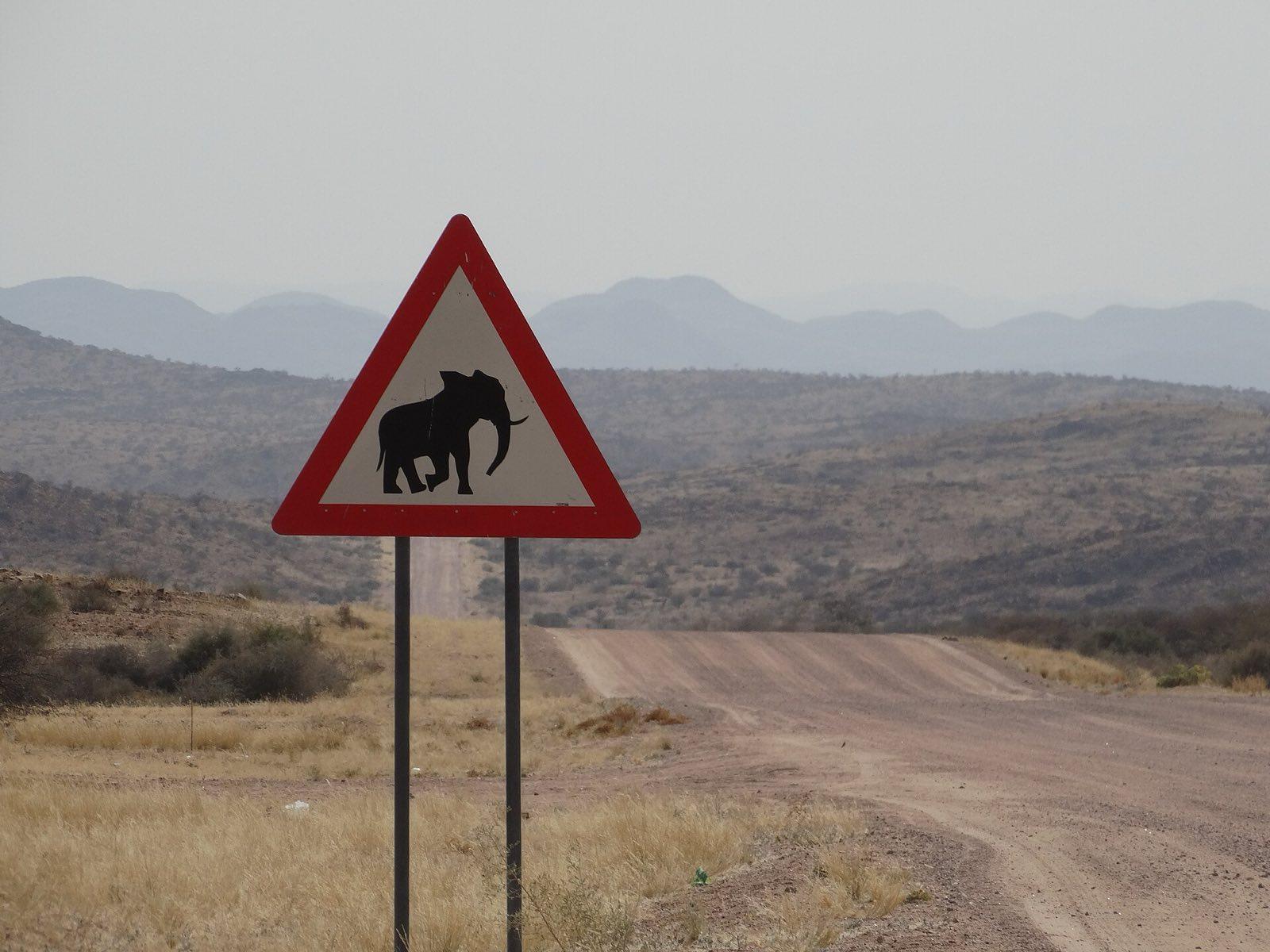
Then east on the gravel past Khorixas, where road signs warn of elephants, to Outjo for a sit-down lunch. From there it is tar to Andersson Gate, the southern entrance to Etosha National Park, and the last 17 km to Okaukuejo we drive slowly as our first game drive, watching for springbok, zebra and giraffe on the open plain.
Evening
We stay at a rest camp or lodge inside or beside the park; if we stay in the park, the camp waterhole is a place to sit after dinner and watch what comes to drink.
Included
Free time: Evening free at camp
Activity: Park rules require you to be inside the camp gate by sunset.
Okaukuejo and the waterholes of western and central Etosha
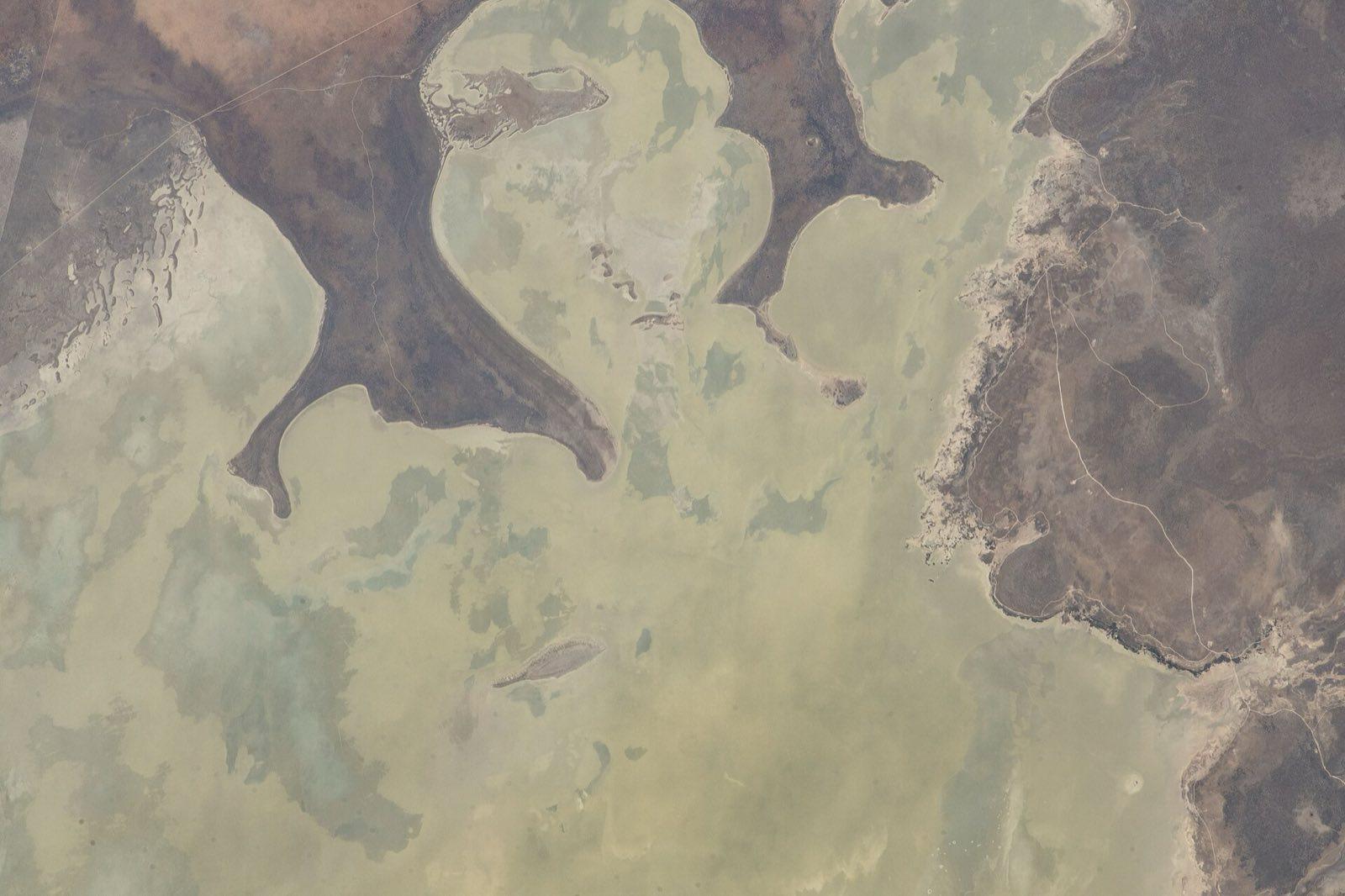
Etosha is built around the Etosha Pan, a dry salt pan of nearly 4,800 square km that turns white in the dry season, and game comes to the springs and waterholes along its edge.
Morning
We leave the camp gate when it opens at sunrise, in an open safari vehicle with a local Etosha guide, because the first hours are the coolest and the most active. Lions, elephants, black rhino, giraffe, zebra, wildebeest and the black-faced impala found here and in a few places nearby are all possible; your guide and the driver will stop for as long as the scene holds.
Afternoon
We are back at camp for lunch and a free midday, when the animals rest too.
Evening
In the late afternoon we go out again to a different set of waterholes and return before the gate closes at sunset. After dinner, the camp waterhole, if we stay in the park.
Included
Easier option: Skip the afternoon drive and stay at the camp's waterhole, which can be as good as the drive.
Free time: Midday free at camp
Activity: Mornings are cold in an open vehicle from June to August; bring a warm jacket, hat and gloves.
Okaukuejo to Halali and the Etosha Lookout, then Namutoni
Today the drive is the game drive. We cross Etosha from west to east, about 160 km inside the park, stopping at waterholes along the southern edge of the pan wherever there is something to watch.
Morning
Mid-morning we walk out onto the pan itself at the Etosha Lookout, where the white flat runs to the horizon and the heat shimmers on it.
Afternoon
Lunch is at Halali in the middle of the park, with a short walk to its waterhole under the rocky hill. The afternoon takes us on through mopane woodland and past the waterholes of the east, often busy with elephant, zebra and kudu, to Namutoni, where the old white German fort, built as a police post, now stands at the eastern edge of the park.
Evening
We stay at a rest camp or lodge inside or beside the park at its eastern end; dinner is included either way.
Included
Free time: Late afternoon free at camp
Namutoni to Tsumeb, Grootfontein and Rundu, then along the B8 to Divundu in the Caprivi Strip
The longest day of the trip, about 620 km and seven hours of driving, because no scheduled flight links Etosha with the Caprivi Strip and this road is the only way east. We break it every two hours.
Morning
We leave the eastern gate after an early breakfast and stop for coffee in Grootfontein, near the Hoba meteorite site.
Afternoon
The land turns greener and more wooded as we head north to Rundu, where a sit-down lunch looks over the Okavango River, with Angola on the far bank. The last 200 km run east along the B8 through villages of reed fences and roadside stalls to the western end of the Caprivi Strip. We reach a lodge on the banks of the Okavango near Divundu in the late afternoon, with time for a drink on the deck as the sun drops over the river and the hippos call.
Evening
Dinner is at the lodge.
Included
Free time: Evening free at the lodge
Activity: Long but on tar all day; stops every two hours or so. The day after is shorter and ends with two nights in one place.
Divundu along the B8 through Bwabwata National Park to Katima Mulilo, then the Ngoma border to Kasane
A second long road day, about 450 km and five and a half hours of driving plus the border, and the last road day of the trip.
Morning
The B8 runs straight east through Bwabwata National Park, where elephant and roan sometimes cross the road, so we drive it in the morning and keep the binoculars out.
Afternoon
We cross the Kwando River at Kongola, then stop for a sit-down lunch in Katima Mulilo, the main town of the eastern Caprivi, near the Zambezi. From there it is a short run to the Ngoma border post, where we leave Namibia and enter Botswana over the Chobe River, and drive the transit road along the edge of Chobe National Park to Kasane. We reach our lodge near the river in the middle of the afternoon, in time to unpack for two nights, sit by the water and watch the light change.
Evening
Dinner is at the lodge.
Included
Free time: Late afternoon free at the lodge
Activity: Border formalities can take up to an hour; keep your passport to hand.
Kasane to the Chobe riverfront by 4x4, then a boat on the Chobe River
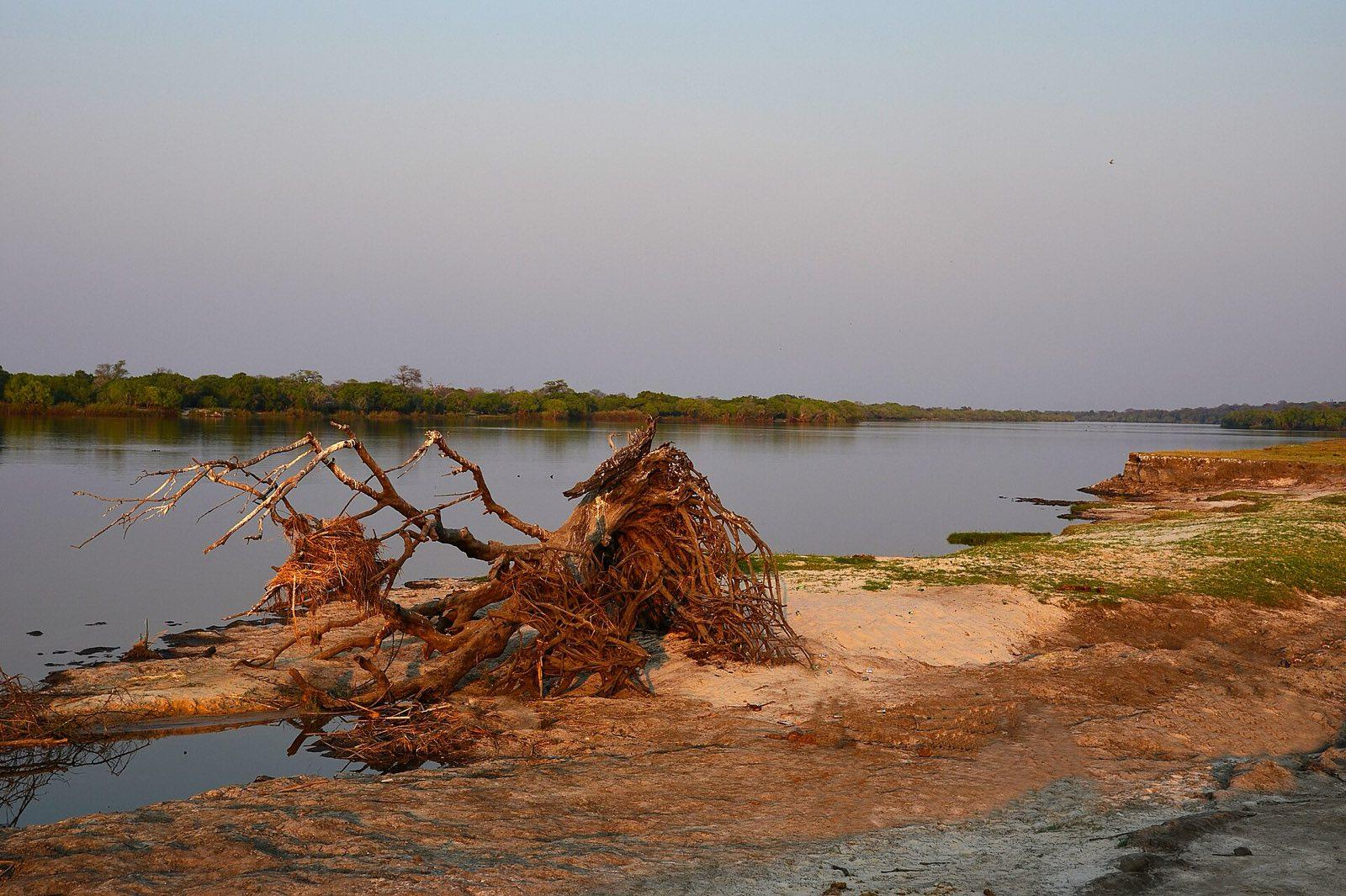
We are at the Sedudu gate of Chobe National Park when it opens, in open 4x4s with licensed local guides, and drive the riverfront while the air is cold and the predators are still moving.
Morning
Chobe is known for its elephants, and in the dry season herds come down to the river through the morning; buffalo, giraffe, sable, the red lechwe and puku of the floodplains, and lion if we are lucky, share the same banks.
Afternoon
We are back at the lodge for a late lunch and a long free middle of the day. In the afternoon we go out on the Chobe River by boat, which is the other half of Chobe: elephants swimming across to Sedudu Island, hippos and crocodiles at close range, fish eagles, kingfishers and the low sun on the water.
Evening
The cruise ends at sunset. Dinner tonight is your choice in Kasane, with your guide on hand for recommendations.
Included
Easier option: Skip the morning drive and join the group for the afternoon river cruise only.
Free time: Middle of the day and evening free in Kasane
Activity: The dawn drive starts around 6 am; it is cold in an open vehicle from June to August.
Kasane by light aircraft to a camp in the Okavango Delta
Morning
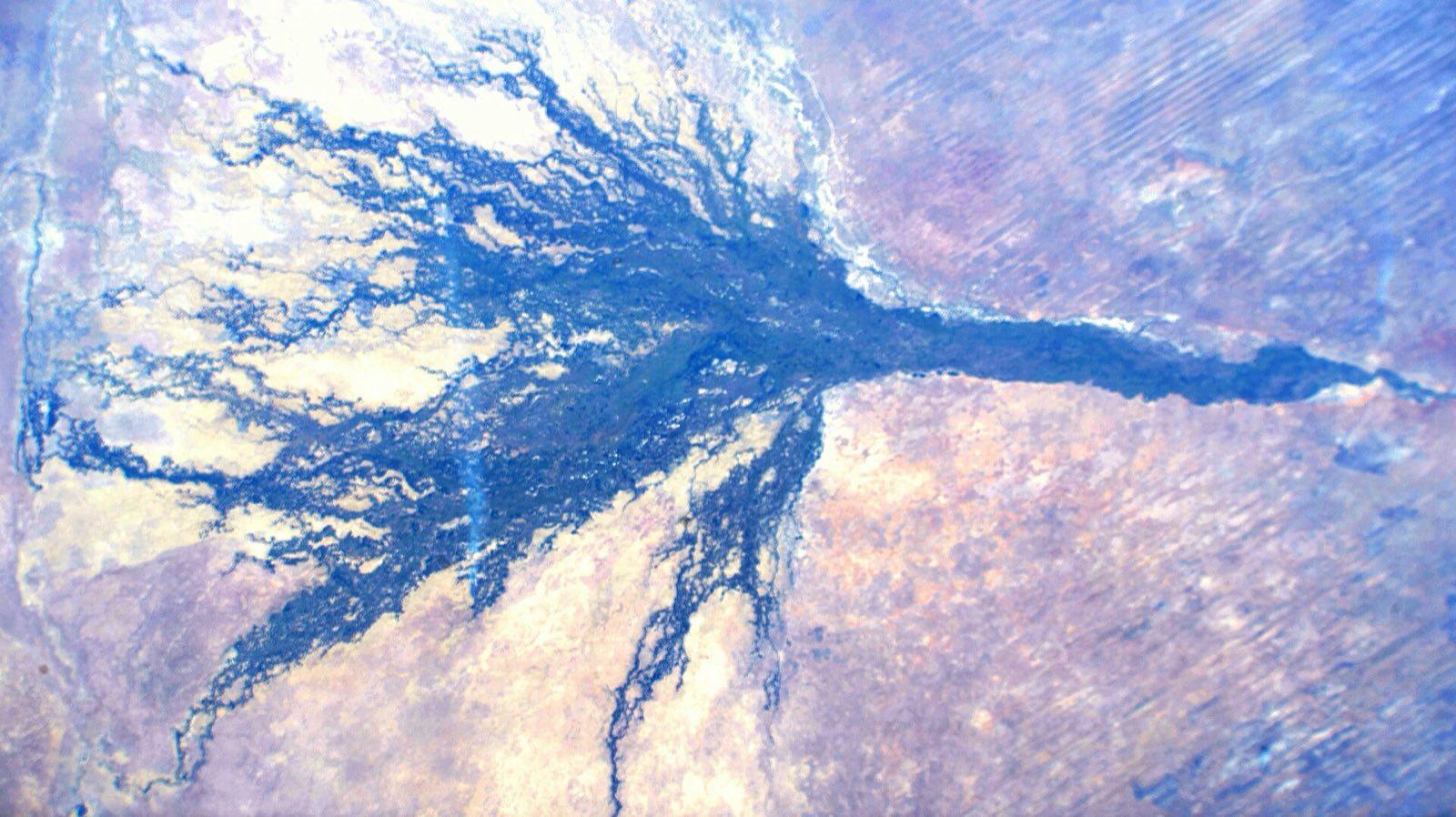
A slow morning in Kasane, then a short drive to Kasane Airport and a light-aircraft flight of about one to one and a half hours south and west over the Chobe and the Linyanti and down into the Okavango Delta. The Okavango River rises in Angola and never reaches the sea: it spreads out into the Kalahari as a maze of channels, lagoons and islands, listed by UNESCO in 2014. From the air you see the pattern you will spend two days inside, and often elephants and buffalo moving between the islands. The camp team meets us at the airstrip.
Afternoon
After a late lunch and time to settle into a tent with its own bathroom and hot water, we go out by mokoro in the late afternoon: a dugout-style canoe poled by a local guide through reeds and lilies at water level, with frogs, reed birds and, from a safe distance, hippos.
Evening
Dinner is at camp, around the fire.
Included
Free time: Morning free in Kasane
Activity: Soft bags only on the flight, usually about 20 kg each including hand luggage; extra bags can travel separately to Maun.
A full day at the camp in the Okavango Delta
The Delta's day starts early.
Morning
After coffee at first light, licensed camp guides take us out on foot onto one of the islands for a walk of one to three hours; on foot you read tracks in the sand, learning the trees and birds, and seeing antelope, zebra, warthog or elephant on foot at a respectful distance. Walking is done in concession areas where it is allowed, never alone and always with armed or trained guides. We are back for a late breakfast and a long free middle of the day, when the heat builds and the camp is quiet.
Afternoon
In the late afternoon we go out again, by mokoro or by boat depending on water levels, to a lagoon or a hippo pool, and stop on an island for a sundowner as the sky turns red over the reeds.
Evening
Dinner is at camp, and the night is full of sound.
Included
Easier option: Skip the walk and spend the morning on the camp deck, or take a shorter walk close to camp if the guides offer it.
More active option: Ask the camp for the longer walk, up to about three hours, if the group agrees.
Free time: Middle of the day free at camp
Activity: Walks are 1 to 3 hours on flat, sandy ground; minimum ages for walking are set by the camp.
Okavango Delta by light aircraft to Maun Airport
One last early outing from camp, a short mokoro trip or a walk depending on water and the camp's routine, while the Delta is cool and the birds are loud.
Morning
After breakfast we pack the soft bags and take the light aircraft to Maun, a flight of about 20 to 45 minutes, sometimes with a stop at another airstrip, low enough to pick out elephants and the paths they wear between the islands. Maun is the town at the southern edge of the Delta, on the Thamalakane River, and its airport has connections to Johannesburg and other hubs. Your guide flies with you, helps you collect any bags that came separately, and sees you to check-in before saying goodbye after sixteen days. If your flight is later in the day, the guide can point you to a café in town to wait.
Included
Easier option: Skip the last outing and have a slow breakfast at camp.
Activity: Book an onward flight leaving Maun after about 1 pm; we confirm the flight time out of camp with your final itinerary.
Wildlife and weather: May to October is the dry season: clear skies, cold dawns and warm days, with hot middays by September and October. Game gathers at Etosha's waterholes and along the Chobe River as the season dries, and the Delta's flood is usually highest from about June to August.
Get the day-by-day itinerary by email, or ask us anything about this trip. A trip planner replies the same or next business day.
Before you book
Book flights after we confirm your seat.
15 nights
Your hotels are named in your trip confirmation.
One price
When you can go
Pick your start date when you request to book. We check that date and confirm it in your quote.
Prefer to travel without a group or guide? Ask us about arranging hotels, transport and city tours for you to travel independently.
Before you book
Nothing is charged now. Full terms and the cancellation schedule come with your quote, before you accept.
Business addresses
See Sight Tours Trips (USA): 3172 N Rainbow Blvd, Las Vegas, NV 89108, United StatesSee Sight Tours Trips (Canada): 5305 50 Avenue, #1091, Red Deer, AB T4N 4B6, Canada+1-888-961-6584Guest reviews
Reviews from guests on our day tours.
5/5

5/5
5/5

5/5
5/5
5/5
Good to know
Prices in these answers apply from Jan 1, 2027. Black Friday offer: 15% off the small-group price for requests received by Dec 1, 2026. From CAD 10,780 per person. Dec 2 to Dec 31: from CAD 11,670. From Jan 1, 2027: from CAD 12,685.
Fifteen nights in hotels, lodges, rest camps and a fly-in Delta camp, 15 breakfasts, 13 lunches and 12 dinners, airport transfers, a private vehicle and driver, both light-aircraft flights in Botswana, your See Sight Tours guide for all 16 days, local guides, and every visit in the plan with its park and concession fees, including the Deadvlei shuttle, the Chobe drive and cruise, and mokoro trips.
The small-group trip runs with 7 to 12 guests. That gives everyone a window seat in the vehicle and a clear view at the waterholes, and it fits in a small Delta camp. Other trips on this route run up to 14, 16 or 22.
A See Sight Tours guide travels with the group from the airport in Windhoek to check-in at Maun, including the border crossing and both flights. Local guides join where the site or the park requires them: at Twyfelfontein, in Etosha, in Chobe and in the Delta. There is no change of leader or group halfway.
Six days have 5 to 7 hours on the road: Windhoek to Sesriem, the coast, Damaraland, Etosha, and the two days east to Kasane, the longest about 620 km. Each is broken by stops and a sit-down lunch, and the day after is shorter. We fly the last two legs in Botswana instead of driving sand roads.
Moderate, and mostly about early starts and time in a vehicle. The hardest walks are the optional 30 to 60 minute climb up Dune 45, about 1 km on soft sand to Deadvlei, rocky paths at Twyfelfontein and a 1 to 3 hour walk at dawn in the Delta. Each can be shortened or skipped.
A room or tent of your own is from CAD 2,155 more, shown up front before you request to book. Solo travellers get the same seat, the same guide time and the same activities as everyone else. If you would rather share, ask us and we will tell you whether a same-gender roommate is available on your date.
May to October, the dry season. Days are clear and warm, dawns are cold from June to August, and game gathers at Etosha's waterholes and along the Chobe River as the season dries. The Delta's flood usually peaks from about June to August. September and October are hot at midday but often the best for game.
Choose a date and style and send a request to book. We check availability and provide the final quote, itinerary and booking terms before you accept. No payment is taken when you send the request. The small group starts from CAD 12,685 per person sharing, taxes included. Prices are indicative until we confirm, and fly-in camps can cost more in the busiest months.
Yes. The trip also runs as a private trip for your party only, on a date you choose, with your own guide, vehicle and light aircraft, from CAD 22,835 per person. If you would rather travel independently on your own dates, ask us from the dates section and we will quote the same lodges, camp, flights and local guides.
Canadian and US travellers need a visa for Namibia, available on arrival or as an eVisa; the fee is not included. Botswana is currently visa-free for Canadians. We confirm the rules for your passport, and whether any Botswana visitor levy applies, when you book. Bring a passport with blank pages and six months' validity.
Soft bags only, usually about 20 kg per person including hand luggage and camera gear, because the bags have to fit in a small hold. We confirm the exact limit at booking. If you need more for the rest of your travels, we can send a second bag separately to Maun.
Our 12-day Namibia trip loops from Windhoek through the dunes, Damaraland and Etosha. Our 9-day Botswana trip covers the Delta, Chobe and Victoria Falls. This trip joins the two: the Namibia route without the drive back to Windhoek, then the Caprivi Strip, Chobe and two nights in the Delta, ending in Maun.

See Sight Tours has been providing travel services across North America since 2006. Operating in 20 cities across Canada and the USA, the company specializes in small group tours that offer personalized, high-quality experiences for travelers.


© 2026 See Sight Tours. All rights reserved.

