Cornelius Amann
October 06, 2026

5/5
9 days from Guwahati to Jorhat: the Khasi Hills of Shillong, two nights in Cherrapunji for the living root bridges, three in Kaziranga for rhino safaris, and a night on Majuli by ferry.
9 days · Guwahati to Jorhat · up to 12 guests
Janailar falls near Cherrapunji, Meghalaya Photo: Chirag1745, CC0, via Wikimedia Commons (https://commons.wikimedia.org/wiki/File:Janailar_in_Cherrapunji_India.jpg)
The facts
Moderate
Walks of 30 to 90 minutes at a time on hill paths, viewpoints and village lanes, at up to about 1,500 m in Shillong and Sohra. The optional double-decker root bridge trek on day 3 is about 3,500 steps down and the same back up, 5 to 6 hours in warm, humid air on steep and often wet stone steps; the easy option that day stays on the plateau. Everyone sees a living root bridge at Mawlynnong on day 4, a short walk down. Jeep safaris in Kaziranga are seated, about 2 to 3 hours each. Two road days, days 4 and 5, run five to six and a half hours with long stops.
Highlights
Every drive is listed day by day. The longest is 6.5 h, on day 5.
Free time and choices are marked on the days they fall.
A room of your own is + CAD 420 (estimated price).
Day by day
The longest drive is 6.5 h, on day 5.
Tap any stop on the map to open that dayClick any stop on the map to open that day
Guwahati airport (GAU) to Umiam Lake, then Shillong
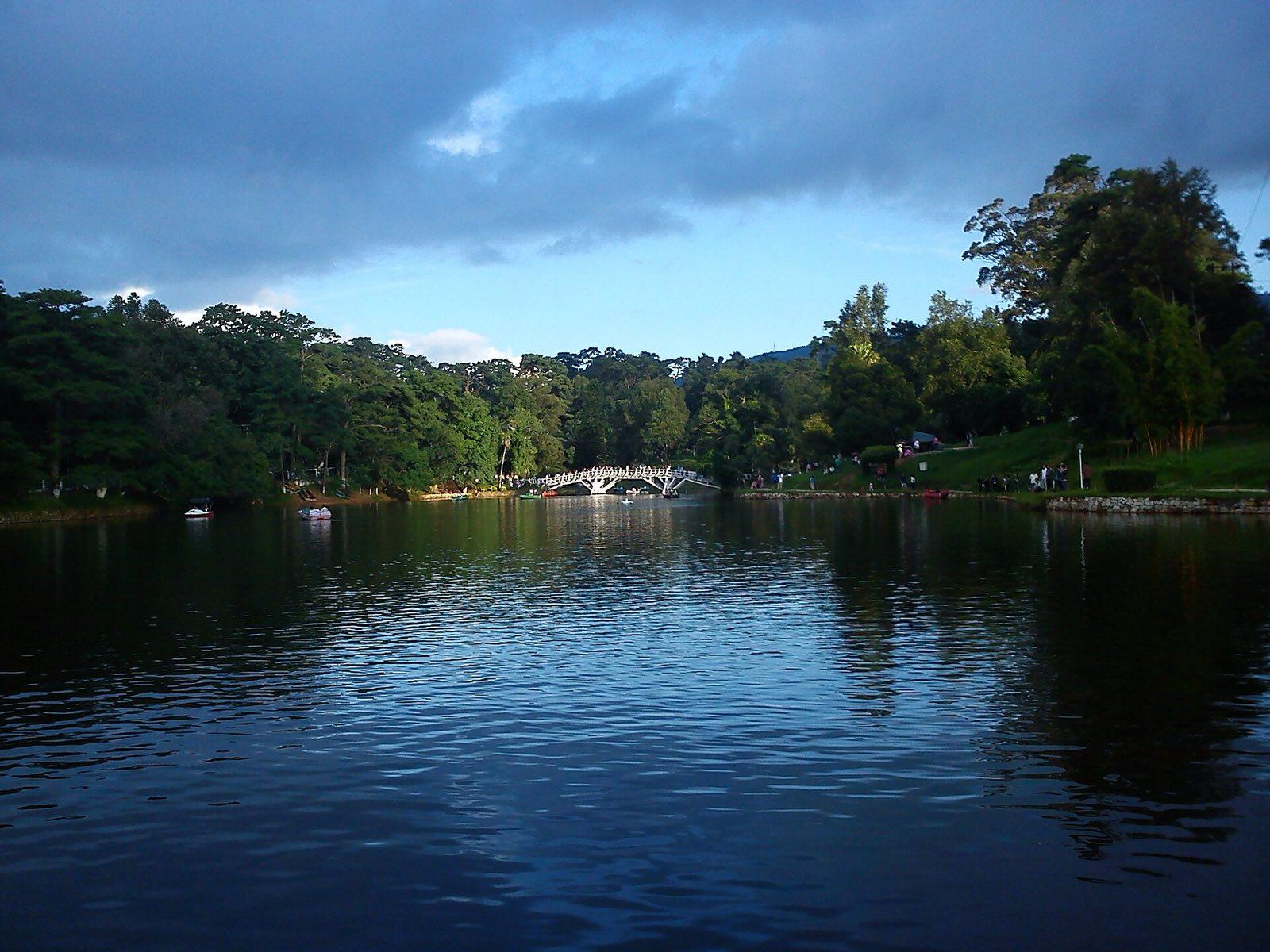
Your See Sight Tours guide meets you at Guwahati's Lokpriya Gopinath Bordoloi International Airport (GAU), with flights from Delhi, Kolkata and other Indian cities. We drive straight up into the Khasi Hills, about 100 km and three hours on a good highway, climbing from the Brahmaputra plain to Shillong at about 1,500 m. Halfway we stop at Umiam Lake, a reservoir ringed by pine hills, for tea and the view. Shillong is Meghalaya's capital, a hill town of churches, pines and steep lanes, and its cooler air is a relief after the plains. After check-in your guide walks the group round Ward's Lake, a garden lake from the British period in the centre of town, and through Police Bazaar, the busy main square.
Evening
Dinner is a welcome meal of Khasi dishes, with a vegetarian version on request, while your guide explains the week ahead, including the choice you make for the root bridge day.
Included
Free time: Time to rest at the hotel before the evening walk
Activity: Plan to land at Guwahati by about noon so we reach Shillong in daylight; later arrivals are met and join at dinner.
Shillong to Laitlum, back to Shillong, then Sohra (Cherrapunji) and Nohkalikai Falls
We leave Shillong at about 8 am for Laitlum, about 25 km and 45 minutes away, where the plateau ends in a sheer drop into deep, forested canyons.
Morning
Morning is the time to come, before cloud fills the valleys. We walk along the rim for about an hour on grassy paths, with villages on the valley floor far below.
Afternoon
Back in Shillong, lunch is at a Khasi eatery: jadoh, red rice cooked with pork, dohneiiong, pork with black sesame, and tungrymbai, fermented soybean, for those who want to try it, with vegetarian dishes too. In the early afternoon we drive about 55 km and an hour and a half south to Sohra, better known as Cherrapunji, stopping at the Mawkdok Dympep viewpoint over a deep valley. In the late light we reach Nohkalikai Falls, where a single stream drops about 340 m into a green pool.
Evening
Dinner is at the hotel.
Included
Easier option: Stay at the first Laitlum viewpoint, a few minutes from the vehicle, rather than walk the rim.
More active option: Walk part of the way down the steep path below the Laitlum viewpoint with your guide, about 45 minutes down and back.
Free time: Early evening free in Sohra
Activity: Three drives of about an hour each. From January to April Nohkalikai carries much less water than after the monsoon.
Sohra to Tyrna and Nongriat and back, or Sohra plateau viewpoints
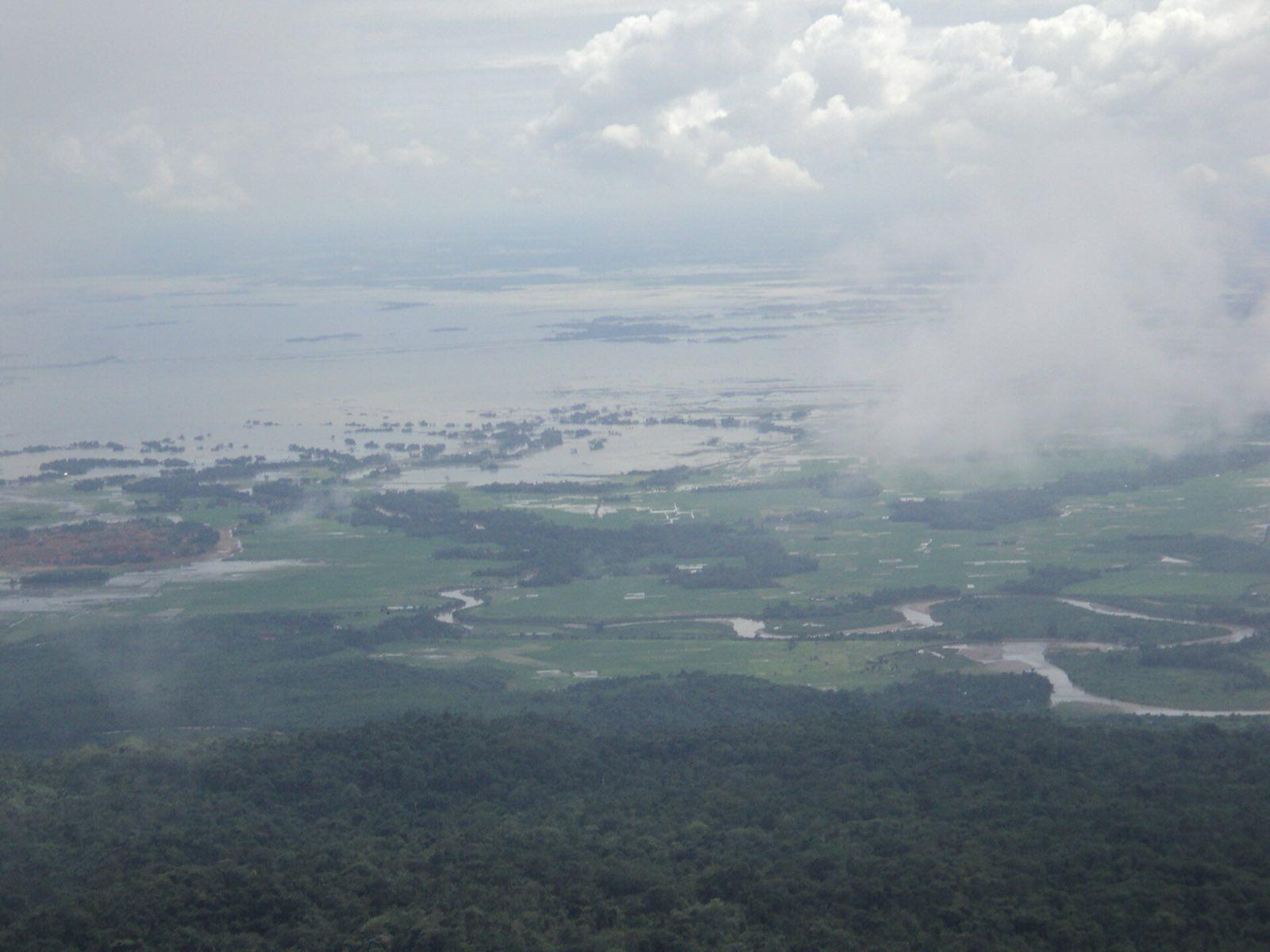
Today the group splits by choice. Walkers leave at about 8 am for Tyrna village, 20 minutes away, with your guide and a local Khasi guide. From there about 3,500 steep stone steps lead down through forest and over two steel suspension bridges to Nongriat, where the double-decker bridge spans a stream: two tiers grown over generations from the roots of rubber fig trees.
Afternoon
The steps are often wet and the gorge is warm and humid even in winter, so we go slowly, with a long rest and a simple lunch in the village before the climb back, about two to two and a half hours up. Allow five to six hours in all. Everyone else spends an easy day on the plateau with the vehicle: Mawsmai Cave, the Seven Sisters Falls viewpoint and Thangkharang Park, which looks straight down over the plains of Bangladesh, with lunch in Sohra.
Evening
The groups meet for dinner.
Included
Optional experiences
Easier option: The plateau day: Mawsmai Cave (a short lit passage you can skip), the Seven Sisters Falls viewpoint and Thangkharang Park, with short walks only and a free afternoon.
More active option: The double-decker root bridge at Nongriat: about 3,500 steps down and back up, 5 to 6 hours with rests, in humid heat.
Free time: Afternoon free for the plateau group; the trekkers rest from late afternoon
Activity: Choose the trek only if you can climb stairs for two hours with rests; there is no vehicle access to Nongriat and no way out except the steps. Wear shoes with grip and carry water. Everyone sees a living root bridge at Riwai tomorrow.
Sohra to Mawlynnong and Riwai, then Shillong
This day runs about five hours on the road, an hour over our usual cap, because Mawlynnong sits on the southern edge of the plateau near the Bangladesh border, south and east of both Sohra and Shillong, a detour off the road between them with no shorter way to reach it; we break it in the middle with about three hours on foot.
Afternoon
We leave Sohra at about 8:30 am and drive about two to three hours east to Mawlynnong, a Khasi village known for its clean, flower-lined lanes, where we walk with a local guide and have lunch in the village. Nearby at Riwai, a short walk down steps leads to a single living root bridge over a stream, so the whole group sees one, trekkers or not. In the afternoon we drive about two to three hours back up to Shillong and arrive by about 5 pm.
Evening
The evening is free, with dinner on your own around Police Bazaar.
Included
Easier option: See the Riwai bridge from the top of the steps and wait in the village.
Free time: Evening free in Shillong, with dinner on your own
Activity: Two drives of about 2 to 3 hours on winding hill roads, with about three hours on foot between them. If you get car sick, sit at the front and tell your guide.
Shillong to Jorabat and Nagaon, then Kaziranga (Kohora)
This is the longest road of the trip, about 265 km and six to six and a half hours, over our four-hour cap because there is no shorter road from the Khasi Hills to Kaziranga and no useful flight; we break it twice. We leave Shillong at about 8 am and drop back past Umiam Lake to Jorabat on the edge of Guwahati, then turn east across the Assam plain, with a tea stop on the way.
Afternoon
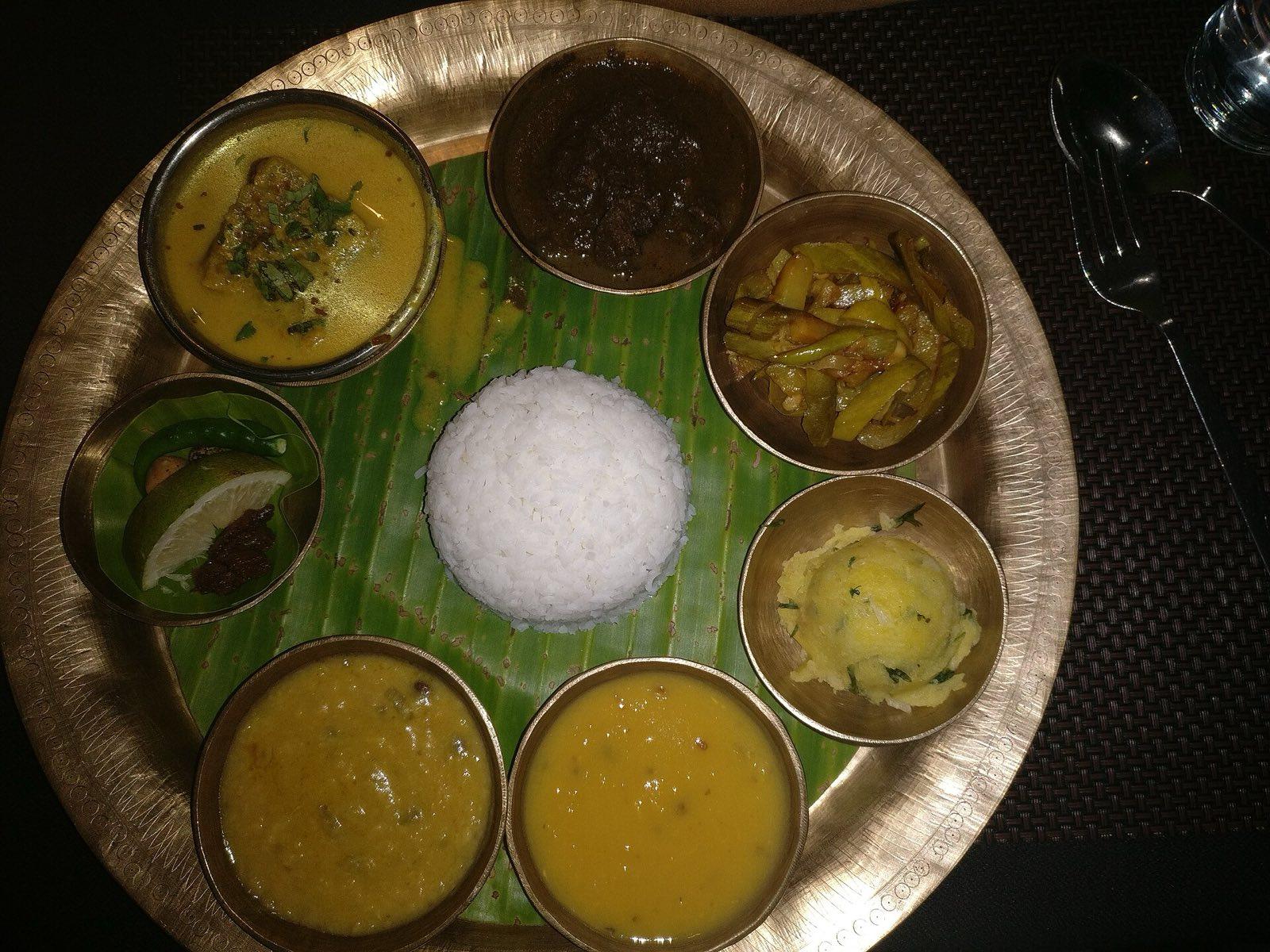
Lunch is a sit-down Assamese thali near Nagaon: rice, dal, fish curry, greens and a sour tenga, with vegetarian plates as well. The last stretch follows the national highway along the southern edge of Kaziranga, with tea gardens on one side and the park's grassland on the other, where rhinos and deer are sometimes seen from the road.
Evening
We reach our lodge near Kohora by about 4 pm, with time to settle in before dinner and a briefing on the safaris.
Included
Free time: Late afternoon free at the lodge
Activity: About 6 to 6.5 hours on good highways with two long stops. The road is busy with trucks near Guwahati and Nagaon; your guide may vary the stop times with traffic.
Kohora to the Central range, then the Western range at Bagori
Kaziranga National Park, a World Heritage Site since 1985, protects grassland, swamp and forest on the south bank of the Brahmaputra and holds about two-thirds of the world's greater one-horned rhinos, along with wild water buffalo, swamp deer, wild elephants and a few tigers that are rarely seen.
Morning
We take the first morning jeep safari into the Central range from the Kohora gate, when the light is soft and the animals are out on the grassland, in open jeeps shared only by our group, no more than four guests to a jeep, with the forest guard the park requires.
Afternoon
Back at the lodge for lunch and a rest through the midday heat. In the early afternoon we drive about 15 km west to Bagori for a second safari in the Western range, where the short grass and pools usually give close views of rhinos and buffalo.
Evening
Dinner at the lodge.
Included
Easier option: Skip the afternoon safari and stay at the lodge.
Free time: Midday free at the lodge between safaris
Activity: Each safari is about 2 to 3 hours seated on dusty tracks; bring a scarf, a hat and binoculars. Ranges are allotted by the forest department and may be swapped between days. Elephant-back rides are offered in the park; we do not include or arrange them.
Kohora to the Eastern range at Agaratoli, then a tea garden near Kohora
A third safari, this time in the Eastern range from the Agaratoli gate, about 20 km east. This side of the park has more water: beels, the shallow lakes left by the floods, where in winter you see pelicans, storks, ducks and other birds along with rhinos and buffalo at the edges.
Afternoon
We go in the first morning slot, when the birds are most active, and are back for lunch at the lodge. In the afternoon we walk through one of the tea gardens that border the park with a local guide, among shade trees and rows of bushes, hearing how Assam's strong, malty tea is grown, then sit down to a tasting. Whether we see plucking or the factory at work depends on the month. Late afternoon is free: a rest, a walk to a nearby village, or a drink on the lodge verandah.
Evening
Dinner is at the lodge.
Included
Free time: Late afternoon free at the lodge
Activity: Tea is plucked roughly March to November; from December to February the bushes are pruned and factories may be idle, so the visit focuses on the garden and the tasting.
Kaziranga to Nimati Ghat near Jorhat, ferry to Majuli, then Kamalabari and Samaguri
Morning
After breakfast we drive about 100 km and two and a half hours east along the plain to Nimati Ghat, near Jorhat, where the state ferry crosses the Brahmaputra to Majuli in about an hour to an hour and a half, carrying people, motorbikes and cars. Majuli is a large, low river island and the centre of Assam's neo-Vaishnavite satras, monasteries in the tradition of the 15th and 16th century saint Srimanta Sankardeva.
Afternoon
After lunch on the island we visit Uttar Kamalabari satra, where the monks keep the dance, music and drama of the tradition, and then Samaguri satra, where a family of mask makers builds large masks of bamboo, clay and cloth for the bhaona plays, and shows how they are made.
Evening
Late afternoon we walk down to the riverbank for the sunset over the water. Dinner and the night are in a simple stay on the island. Sailing times are confirmed at booking; if the ferry is suspended, we keep the group in a hotel on the Jorhat side and visit the satras on a revised day.
Included
Free time: Late afternoon free by the river
Activity: Ferry times vary with the river; low water or morning fog can delay sailings, and we adjust the day around them. If the ferry is suspended, we stay on the Jorhat side and see the satras on a revised day. Majuli's rooms are simple, with private bathrooms.
Majuli to a satra and a Mising village, ferry to Nimati Ghat, then Jorhat Airport (JRH)
Morning
An early start, if you like, for the morning prayers at one of Majuli's larger satras, with chanting, cymbals and drums in the prayer hall; your guide explains how a satra's monks and lay families live together. After breakfast we walk through a village of the Mising people, who build their houses on stilts against the floods and weave on looms under them.
Afternoon
Late morning we take the ferry back across the Brahmaputra to Nimati Ghat, then drive about 20 km to Jorhat for lunch and on to Jorhat Airport (JRH), arriving by about 2:30 pm.
Evening
Book a flight leaving after about 4 pm, or ask us to add a night in Jorhat. If you want to see more of India, we can quote a connection to Darjeeling and Sikkim or to Delhi for the Golden Triangle.
Included
Activity: Book a flight out of Jorhat after about 4 pm; the ferry depends on the river, so leave a margin.
Wildlife and weather: November to April is the dry season and the only time Kaziranga is open to visitors; the park closes for the monsoon, broadly May to October, as the Brahmaputra floods the grasslands. November and December are clear and mild, with fresh green after the rains and still-full waterfalls. From January the grass is burned in patches, which makes rhinos and swamp deer easier to see, and winter brings migratory birds to the wetlands, but Meghalaya's waterfalls thin out and morning fog on the Brahmaputra can delay the Majuli ferry; if it is suspended we keep the group on the Jorhat side and see the satras on a revised day. March and April are hot and humid, with the first pre-monsoon storms.
Get the day-by-day itinerary by email, or ask us anything about this trip. A trip planner replies the same or next business day.
Before you book
Book flights after we confirm your seat.
8 nights
Your hotels are named in your trip confirmation.
One price
When you can go
Pick your start date when you request to book. We check that date and confirm it in your quote.
Prefer to travel without a group or guide? Ask us about arranging hotels, transport and city tours for you to travel independently.
Before you book
Nothing is charged now. Full terms and the cancellation schedule come with your quote, before you accept.
Business addresses
See Sight Tours Trips (USA): 3172 N Rainbow Blvd, Las Vegas, NV 89108, United StatesSee Sight Tours Trips (Canada): 5305 50 Avenue, #1091, Red Deer, AB T4N 4B6, Canada+1-888-961-6584Guest reviews
Reviews from guests on our day tours.
5/5

5/5
5/5

5/5
5/5
5/5
Good to know
Eight nights' accommodation, 8 breakfasts, 8 lunches and 7 dinners, airport transfers at Guwahati and Jorhat, our own vehicle and driver, a See Sight Tours guide throughout, three Kaziranga jeep safaris, the Majuli ferry both ways, the root bridge trek guide and village fees, a tea tasting and every site entry in the day plan. Flights, the visa, drinks and tips are extra.
Yes. Between 7 and 12 guests, never more. A small group fits one vehicle on the hill roads, three jeeps in Kaziranga with no more than four of us in each, and a satra prayer hall without crowding. If you want fewer people, choose the private style, with your own guide and vehicle.
A See Sight Tours guide is with the group from Guwahati airport on day 1 to Jorhat Airport on day 9, with our own vehicle and driver. A local Khasi guide leads the root bridge trek, a forest department guard rides on each Kaziranga jeep, and local guides join where sites need them. We name your guide when we confirm dates.
Moderately fit for the trip as a whole: walks of 30 to 90 minutes on hill paths and village lanes, and seated jeep safaris. The double-decker root bridge trek is the exception, about 3,500 steps down and back up in humid heat, and it is optional. The easy plateau day on day 3 needs no special fitness.
Hard but steady. From Tyrna it is about 3,500 steep stone steps down to Nongriat and the same back up, usually five to six hours with rests, in warm, humid air on steps that are often wet. There is no road out, so choose it only if you can climb stairs for two hours. Everyone sees a root bridge at Riwai on day 4.
Yes, CAD 420 at the indicative price, shown before you book. You can also ask to share with another solo guest of the same gender; we try to match you but cannot promise it, so plan on the supplement. Solo guests get the same rooms, tables and jeep seats as everyone else.
November to April, and only then for this trip. Kaziranga closes to visitors in the monsoon, broadly May to October, while the Brahmaputra floods its grasslands. November and December are mild with full waterfalls; January to February bring birds and easier rhino sightings; March and April are hot and humid.
You need an Indian visa but no special permit. Most visitors, including Canadians at the time of writing, can apply online for an e-Tourist Visa; check the official site when you book. The Restricted Area and Inner Line Permits for Sikkim and some other northeast states do not apply on this route. Carry your passport for hotels and safari bookings.
We keep the group in a hotel on the Jorhat side and visit the satras on a revised day once the ferry runs again. There is no bridge to Majuli yet, sailings change with the water level, fog can delay them and the last ferry leaves in mid-afternoon, so we confirm sailing times at booking and plan the day around them.
Very likely a rhino: Kaziranga holds about two-thirds of the world's greater one-horned rhinos, and three safaris on three ranges give good chances, though nothing in the wild is certain. Tigers live in the park but are rarely seen. Elephant-back rides are offered there; we do not include, sell or arrange them.
You request to book on this page, with no payment taken. We check availability and provide the final quote, itinerary and booking terms before you accept. No payment is taken when you send the request. The price shown is indicative until we confirm it for your dates.
Yes. The private style is your party only, with your own guide, vehicle and driver, on a date you choose between November and April, from about CAD 4,310 per person sharing. If you would rather travel independently, without a guide, ask us for a quote; that is an inquiry rather than a set trip style.

See Sight Tours has been providing travel services across North America since 2006. Operating in 20 cities across Canada and the USA, the company specializes in small group tours that offer personalized, high-quality experiences for travelers.


© 2026 See Sight Tours. All rights reserved.

